
INDEX:
On this page, for easy interpretation, all concepts explained in “lay” language are highlighted in green boxes. However, if you want more information, or if you are an HCP, you’ll find some “technical deep dives” or expandable sections (in light blue) with more insights on that particular topic.
Ongoing AHSCT Trials
Read the full insights for more details:
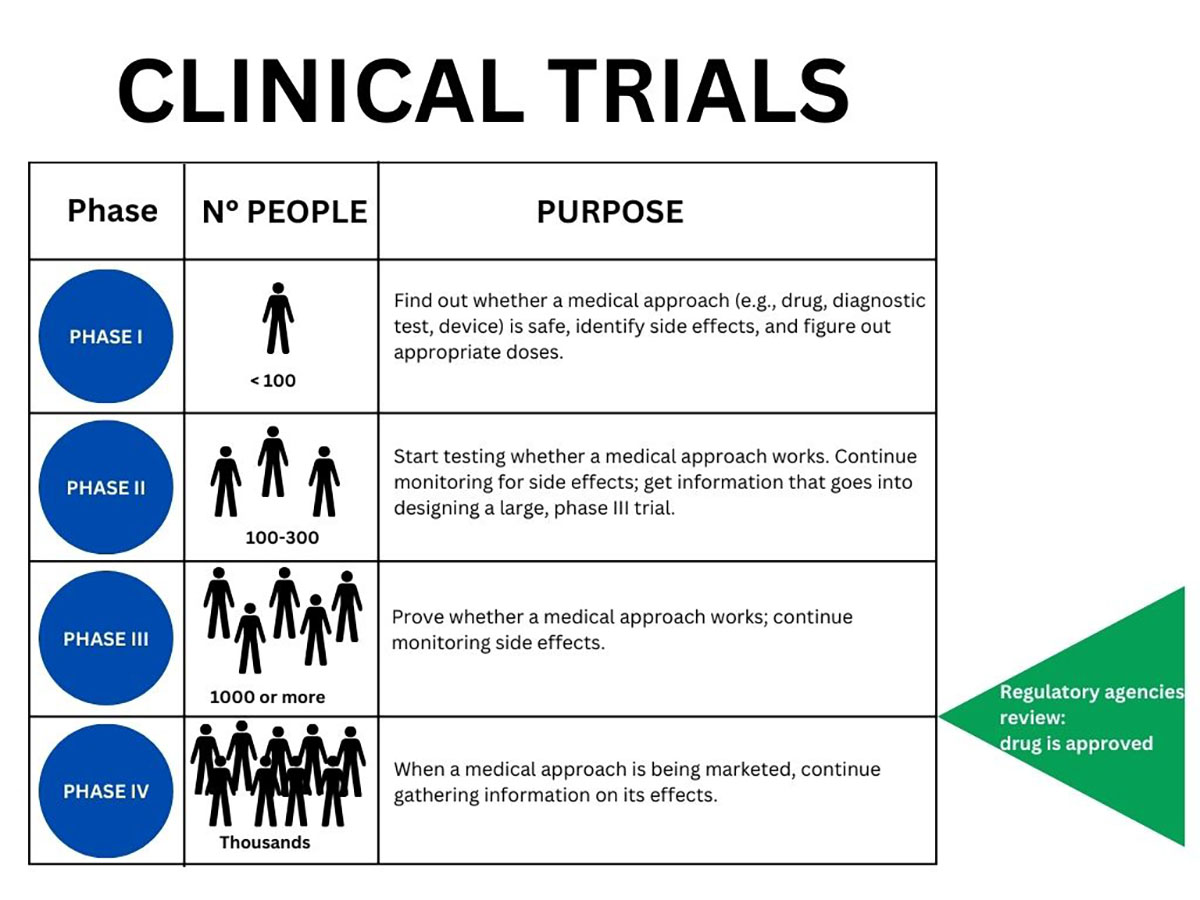
Figure created by curems.net based on an NIH (USA) infographic
Each study is assigned a unique ID, and this website provides a link for easy access. All study reports are freely available to the public. These trials will generate important evidence to guide the use of AHSCT in the future. Their results are expected to become available over the next decade.
Ongoing Trials (Last Updated August 2026)
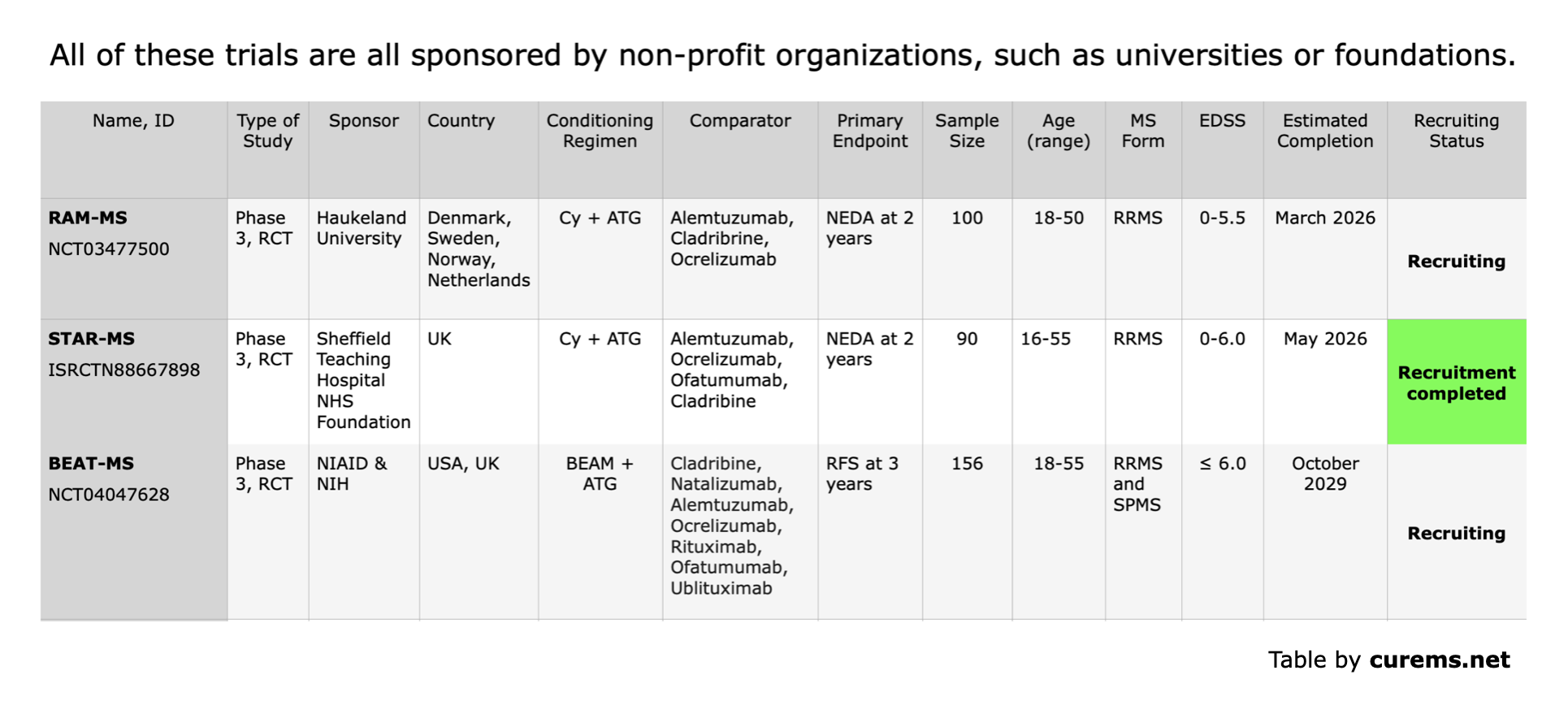
The table shows the recruiting centers involved in trials (August 2026)
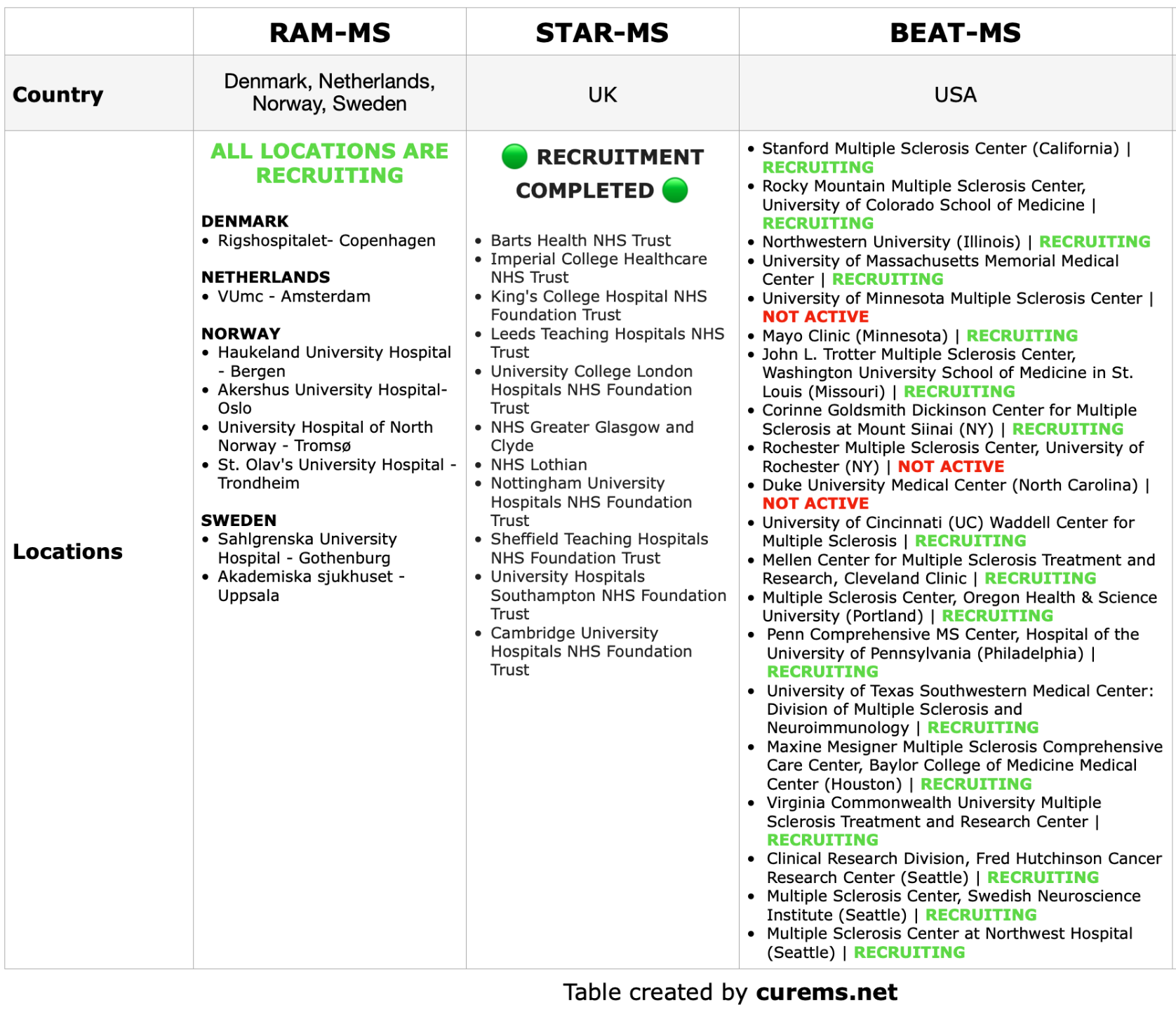
RAM-MS Trial
RAM-MS trial is a phase 3 trial conducted in Scandinavia and the Netherlands, sponsored by the Haukeland University Hospital (Norway).
A pre-planned 3-year follow-up extension period will be performed depending on future funding.
The aim of the study is to assess the effectiveness and side effects of a new treatment intervention in RRMS; HSCT, and, thereby, the value of HSCT in clinical practice. Data from recently published patient series indicate that HSCT may have a significantly higher treatment effect than currently registered RRMS immunomodulatory treatments. This study will determine the relative role of HSCT versus alemtuzumab, cladribine or ocrelizumab” (from ClinicalTrials.gov).
➡️ Study details on ClinicalTrials here
📌 Contacts here
STAR-MS Trial
The StarMS trial, is a phase 3 study that recruited patients from 19 center in the UK. Star-MS is set to compare HSCT with highly potent DMTs: Alemtuzumab, Ocrelizumab, Cladribine and Ofatumumab.
This project is founded by the Efficacy and Mechanism Evaluation (EME) Programme, an MRC and NIHR partnership, and sponsored by the Sheffield Teaching Hospitals.
“Star-MS is a multicentre rater-blinded randomised controlled trial of AHSCT versus high efficacy DMT (alemtuzumab, cladribine, ocrelizumab and ofatumumab) of 90 RRMS patients in the United Kingdom (England, Scotland, United Kingdom, Wales). Haematopoietic stem cells are obtained following cyclophosphamide based priming and AHSCT is delivered using non-myeloablative conditioning with cyclophosphamide and anti-thymocyte globulin followed by an unselected autologous graft.” As of September 2024, Star-MS has recruited all 90 patients, and the recruiting is completed.
🟢 Official Website here
➡️ Study details on the International Clinical Trials Registry Platform (ICTRP) here
📌 Contacts here
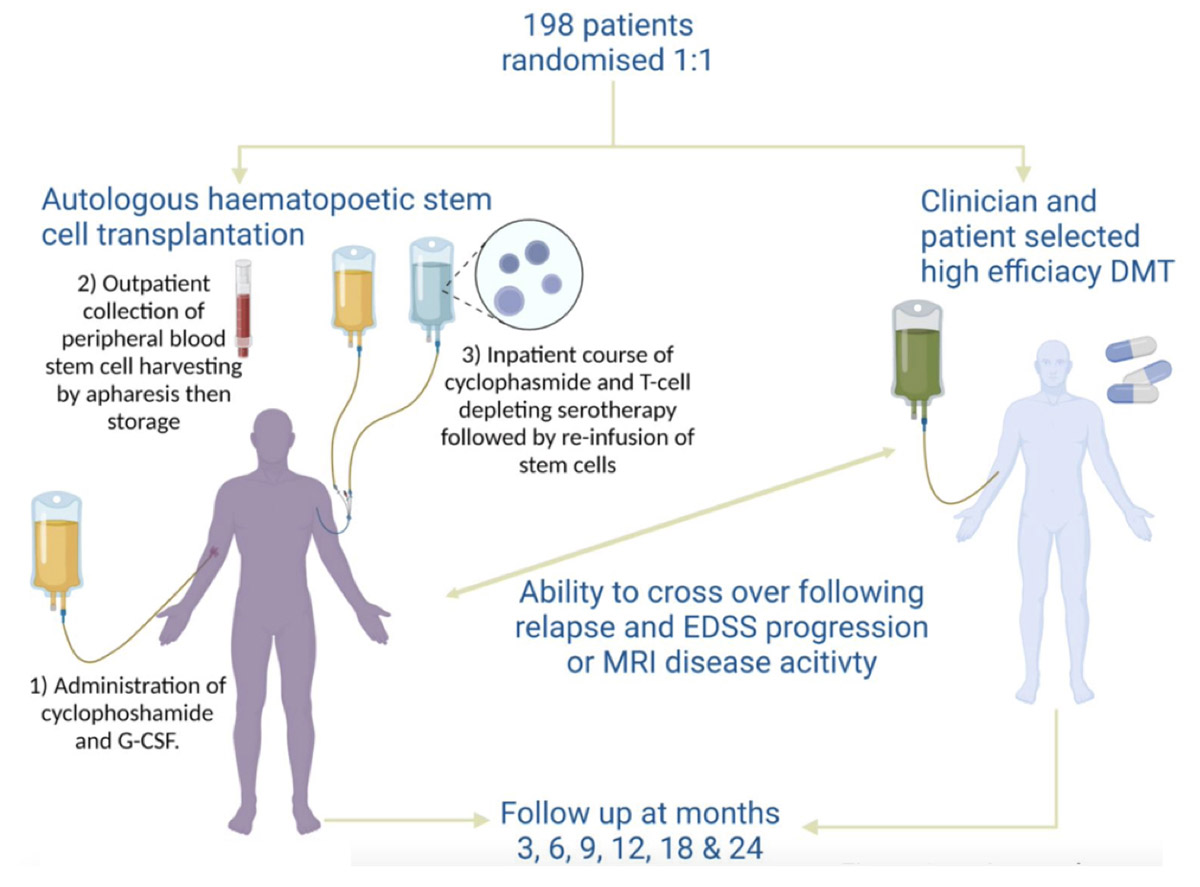
Figure from Brittain et al. “A changing target – adapting autologous haematopoietic stem cell transplantation clinical trials to evolving clinical practice in highly active relapsing remitting multiple sclerosis”. Star-MS Trial poster at ECTRIMS 2022.
It is important to note that the figure above represented the initial enrollment numbers required by the trial. This number was later reduced based on statistical evaluations (personal communication at ECTRIMS 2024). As of September 2024, STAR-MS has successfully recruited all 90 participants.
Two randomized clinical trials are comparing AHSCT (BEAM + ATG) against a range of high-efficacy DMTs representing the best standard care:
BEAT-MS Trial
This study has 19 locations. BEAT-MS is sponsored by the National Institute of Allergy and Infectious Diseases and conducted in collaboration with the Immune Tolerance Network in the US and UK. The researchers will monitor the patients for a duration of 6 years, with an anticipated study conclusion in 2029.
🟢 Official website here
➡️ Study details on ClinicalTrials here
📌 Contacts here
Other Hopes to Cure
EBV Vaccines
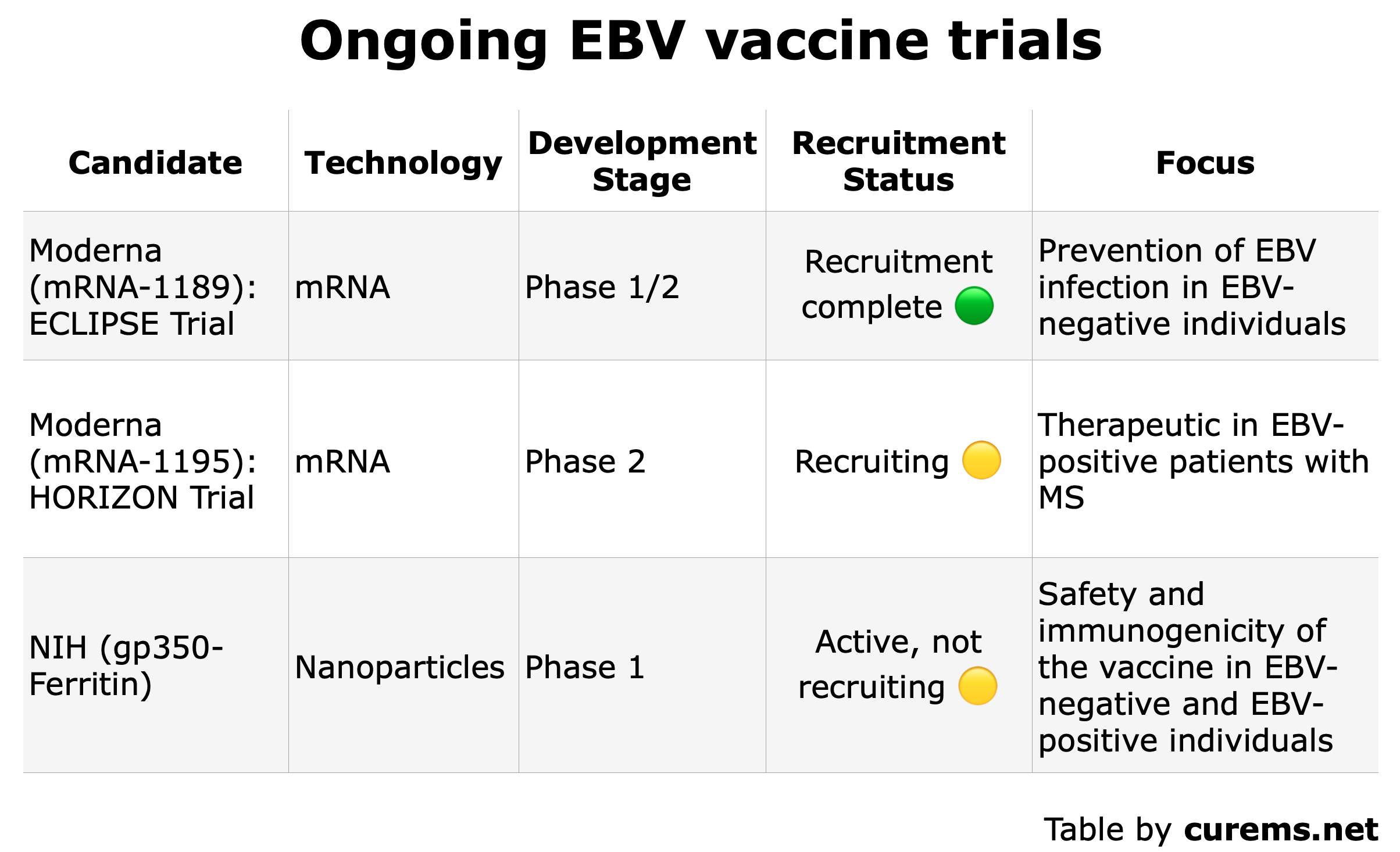
Read the full insights for more details:
To date, five different EBV vaccine candidates are currently in the preclinical phase, exploring multiple approaches (Dai et al. “Recent Progress in the Vaccine Development Against Epstein–Barr Virus“. Viruses, 2025):
Several EBV vaccine candidates have been developed and evaluated at the preclinical stage, and some reached early clinical trials (Phase I or II); however, none have advanced to late-stage clinical development to date (Dai et al. “Recent Progress in the Vaccine Development Against Epstein–Barr Virus“. Viruses, 2025):
CAR-T Cell Therapy
Structural Evolution of CAR-T Receptors
All CAR-T receptors have a part that recognizes the target antigen on the diseased cell (antigen-binding domain, in dark blue). This part is connected to a structure that spans the cell membrane (transmembrane domain TMD, in light blue) and an internal component that activates the T cell (CD3ζ, in red).
More advanced CAR-T versions include extra activation domains (such as CD28, 4-1BB, OX40) that make the T cell response stronger and longer-lasting.
Some next-generation CAR-T therapies also feature cytokine signaling modules (in purple) that enhance the T cells’ ability to fight disease for extended periods.
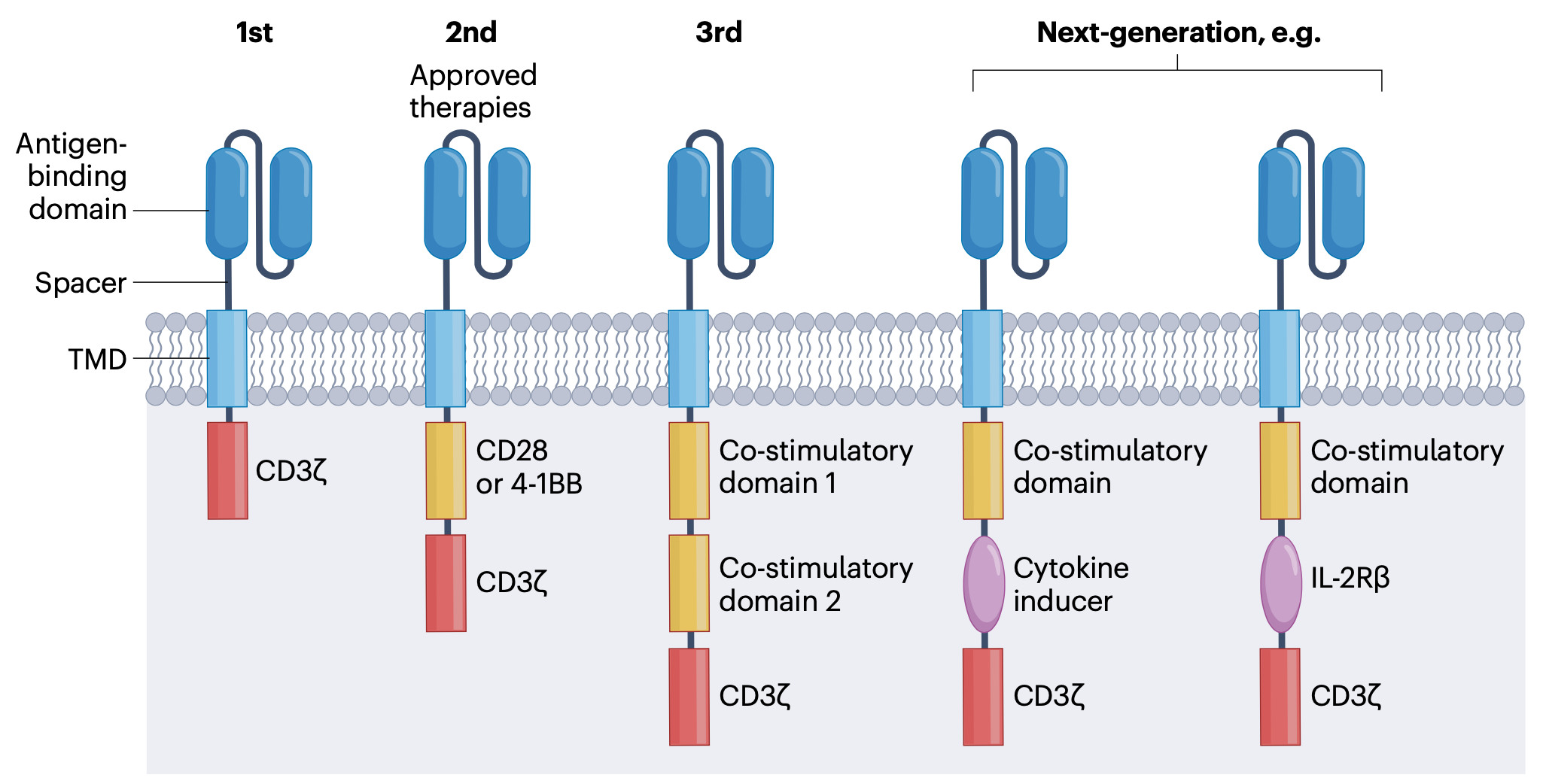
Figure from Junt et al. “Defining immune reset: achieving sustained remission in autoimmune diseases“. Nature Reviews Immunology (2025)
Read the full insights for more details:
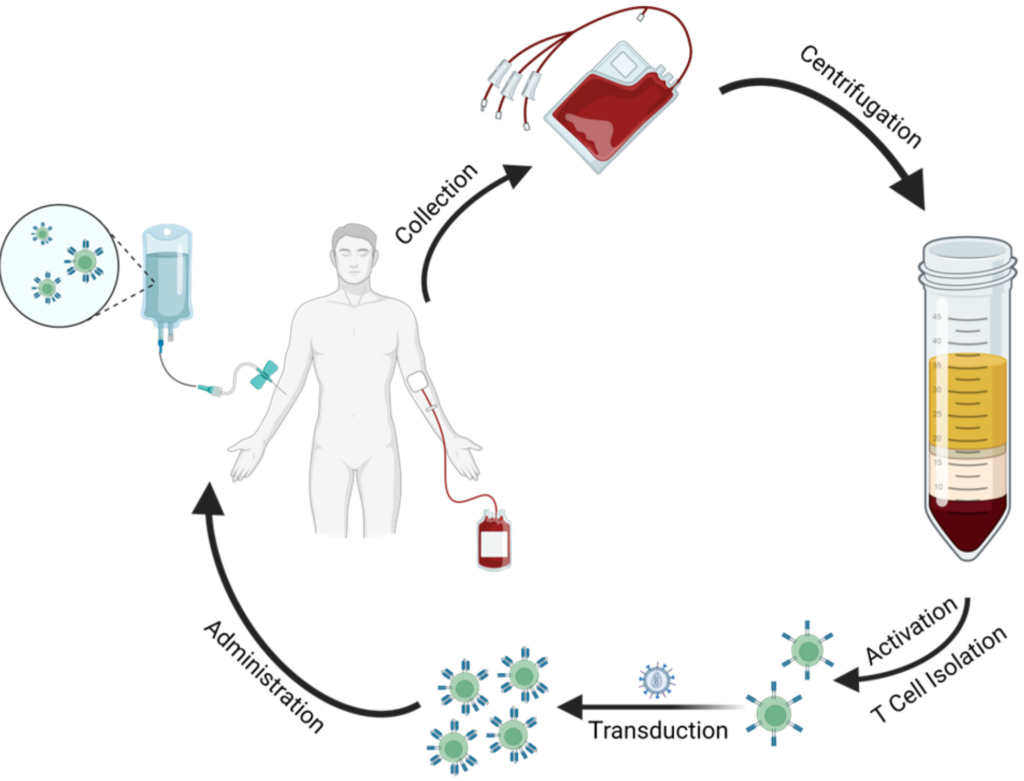
Regulatory T Cells
In this insightful review by Ransohoff Richard M. (“Selected Aspects of the Neuroimmunology of Cell Therapies for Neurologic Disease“. Neurology. 2024), Tregs are presented as a potential therapeutic avenue for treating MS: “A distinctly different cell therapy approach for autoimmunity is to restore immune and tissue homeostasis using engineered regulatory T cells (Tregs)”.
While research is still ongoing, the idea behind using T-reg cells is based on their ability to modulate the immune system (i.e., decrease autoimmunity) and reduce the inflammatory processes that lead to demyelination and neurodegeneration in MS.
T Cell Engagers
TCEs (T-cell engagers) are a class of immunotherapeutic drugs designed to redirect a patient’s T cells to specifically target and kill other cells, such as cancer cells or, in the context of autoimmune diseases, autoreactive immune cells.
They are typically bispecific antibodies, meaning they have two distinct binding sites: one that attaches to a specific molecule (antigen) on the surface of a target cell (such as a cancer cell), and another that binds to CD3, a molecule on the surface of T cells that is part of the T cell receptor complex involved in activation.
TCEs have been primarily studied and utilized in cancer immunotherapy, enhancing the immune system’s ability to attack cancer cells. However, their potential application in autoimmune diseases like multiple sclerosis (MS) is an emerging area of research. In this context, TCEs could be designed to target and eliminate autoreactive immune cells, which are responsible for attacking the body’s own tissues in diseases like MS.
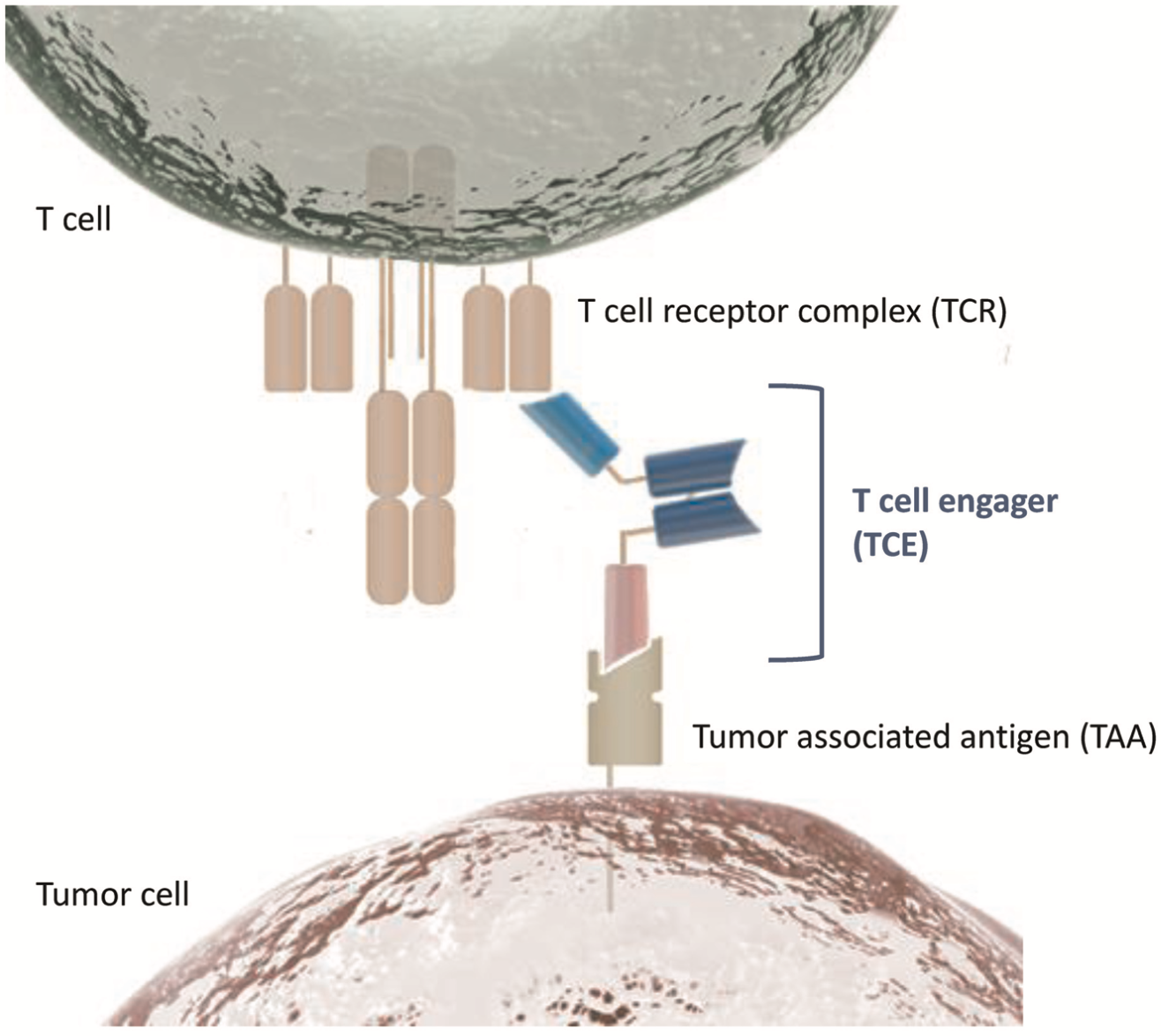
Figure from Baeuerle et al. “T-cell-engaging antibodies for the treatment of solid tumors: challenges and opportunities“. Curr Opin Oncol (2022).
T-cell engagers (TCEs) are treatments that help T cells attack cancer cells. They usually have three parts: one part attaches to the T cell, another part sticks to the cancer cell, and the third part helps the treatment last longer in the body.
Further reading: Shah et al. “Disrupting B and T-cell collaboration in autoimmune disease:T-cell engagers versus CART-cell therapy?“. Clin Exp Immunol (2024)
Hot Topics for Researchers
CureMS.net seeks to contribute to the scientific debate on AHSCT. This section presents research topics.
Epigenetic Rejuvenation After AHSCT in MS
Recent research suggests that AHSCT does more than just reset the immune system in aggressive MS – it may also rejuvenate the body at the molecular level.
Our DNA carries epigenetic marks that control how genes work. These marks change with age and inflammation, a process called epigenetic aging. People with MS often show accelerated epigenetic aging, especially in immune cells and brain tissue, linked to chronic immune activation and neurodegeneration.
In other diseases, such as blood cancers, studies show that after AHSCT the epigenetic “clock” temporarily turns back, making blood cells appear biologically “younger”. This likely reflects the replacement of old, defective immune cells (before AHSCT) with new ones derived from transplanted stem cells (post-AHSCT).
Why It Matters for MS
🔵 Known: MS involves epigenetic dysregulation and premature aging of immune cells (Maltby et al., 2023, Goyne et al., 2025)
🟢 Promising: AHSCT causes profound epigenetic changes in other diseases (Mohanraj et al., 2022), suggesting similar benefits may occur in MS.
🟡 Unanswered questions: How long this rejuvenation lasts and whether it predicts long-term remission remain under study.
If confirmed, epigenetic markers could become valuable tools to predict who will benefit most from AHSCT and track deep, long-lasting recovery. This research may help refine treatment strategies, aiming for not just relapse control, but durable remission and slower disease progression.