INDEX:

For Patients

This section is a lay version intended for patients and caregivers. For Healthcare Professionals section, see below.

EBV Vaccines

Research in MS has made significant progress in understanding the mechanisms behind the disease. In recent years, strong scientific evidence has shown that infection with Epstein–Barr Virus (EBV)—the virus that causes mononucleosis—is a necessary but not sufficient factor for developing MS. In other words, exposure to EBV appears to be a critical first step, although it is not the only cause of the disease.

For this reason, developing a vaccine against EBV is not just a way to prevent mononucleosis—a very common infection affecting around 90% of the global population—but also represents a real hope to reduce the risk of MS, improve disease management, and potentially open new strategies toward a future “cure.”

This strategy works in two ways:

  • Preventing initial infection – stopping subclinical infection, mononucleosis, EBV-driven tumors, and the potential development of MS.
  • Targeting latent or reactivated virus – reducing or limiting MS disease activity.

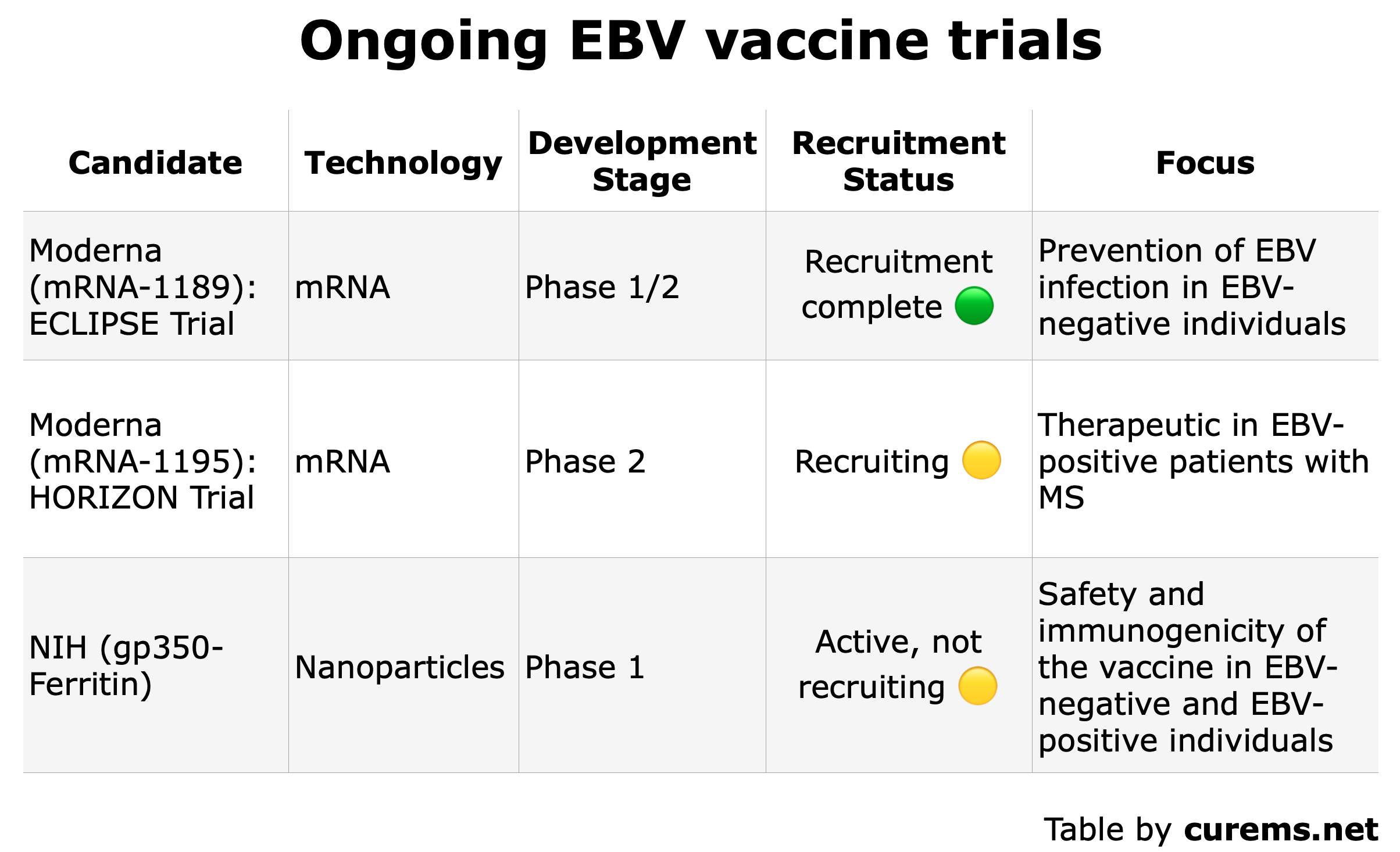
So far, many EBV vaccine candidates are being studied in the lab, and three vaccines are already being tested in people:

Moderna is running two studies: ECLIPSE (link), which aims to prevent primary EBV infection and mononucleosis (for which recruitment has been completed), and HORIZON (link), a therapeutic study currently recruiting in the USA, UK, and Australia that looks at whether the vaccine can reduce relapses, new MRI lesions, slow disability progression, and is safe to use.

NIH (National Institutes of Health, USA) is testing a preventive vaccine that uses the gp350 protein attached to tiny ferritin nanoparticles.  More information here.

Other vaccines are still in early laboratory studies, exploring approaches such as nanoparticles, combinations of viral proteins, peptide vaccines, and virus-like particles.

🔹Back to index.

CAR-T Cell Therapy

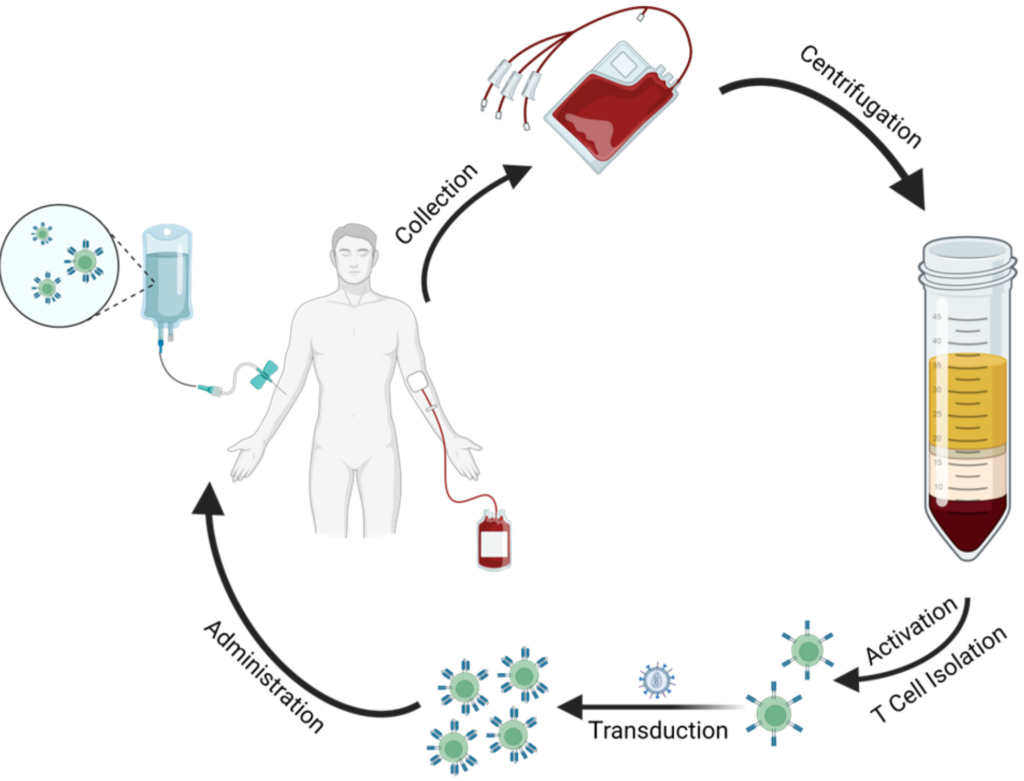
CAR-T cell therapy is an immunotherapy that retrains the immune system. In the lab, scientists add a new gene into the T cells. This gene gives the cells special instructions to make a new receptor (a kind of “sensor” on the cell’s surface).

Doctors take some of your T cells, reprogram them in the lab so they can find and destroy harmful B cells, then put them back into your body. Because B cells can damage the myelin coating around nerves in MS, this treatment could help slow down or even stop disease progression.

Unlike most MS treatments that need regular doses, CAR T-cell therapy might be a one-time treatment. It may also reach the brain and spinal cord, where damage happens.
Both CAR T-cell therapy and HSCT (stem cell therapy) try to “reset” the immune system — but in different ways:
  • HSCT rebuilds the immune system using stem cells.
  • CAR T-cell therapy reprograms T cells to target and remove B cells.

Right now, CAR T-cell therapy for MS is only in early clinical trials, such as the AUTO1-MS1 study led by University College London Hospitals. These first studies aim to test whether the treatment is safe and possible. If results are good, larger trials will follow to see how effective it really is.

Researchers are testing it in people with relapsing and progressive MS whose symptoms are still getting worse despite current treatments.

It’s early days, but experts believe CAR T-cell therapy could one day stop relapses and halt disability progression.
Further research will also focus on repairing myelin and protecting nerves, to help people regain what’s been lost.
“There are over 150,000 people living with MS in the UK, but existing treatments don’t work for everyone. It’s early days but, if trial results prove successful, CAR T-cell therapy could be a game changer for how we treat the condition” says Caitlin Astbury from the MS Society.
 
A woman in the UK with MS is the first in the country to try CAR T‑cell therapy (link).

🔹Back to index.

For Healthcare Professionals

Hot Topics for Researchers

CureMS.net seeks to contribute to the scientific debate on AHSCT. This section presents research topics.

Epigenetic Rejuvenation After AHSCT in MS

Recent research suggests that AHSCT does more than just reset the immune system in aggressive MS – it may also rejuvenate the body at the molecular level.

Our DNA carries epigenetic marks that control how genes work. These marks change with age and inflammation, a process called epigenetic aging. People with MS often show accelerated epigenetic aging, especially in immune cells and brain tissue, linked to chronic immune activation and neurodegeneration.

In other diseases, such as blood cancers, studies show that after AHSCT the epigenetic “clock” temporarily turns back, making blood cells appear biologically “younger”. This likely reflects the replacement of old, defective immune cells (before AHSCT) with new ones derived from transplanted stem cells (post-AHSCT).

Why It Matters for MS

🔵 Known: MS involves epigenetic dysregulation and premature aging of immune cells (Maltby et al., 2023, Goyne et al., 2025)

🟢 Promising: AHSCT causes profound epigenetic changes in other diseases (Mohanraj et al., 2022), suggesting similar benefits may occur in MS.

🟡 Unanswered questions: How long this rejuvenation lasts and whether it predicts long-term remission remain under study.

If confirmed, epigenetic markers could become valuable tools to predict who will benefit most from AHSCT and track deep, long-lasting recovery. This research may help refine treatment strategies, aiming for not just relapse control, but durable remission and slower disease progression.

🔹Back to index.

Ongoing AHSCT Trials

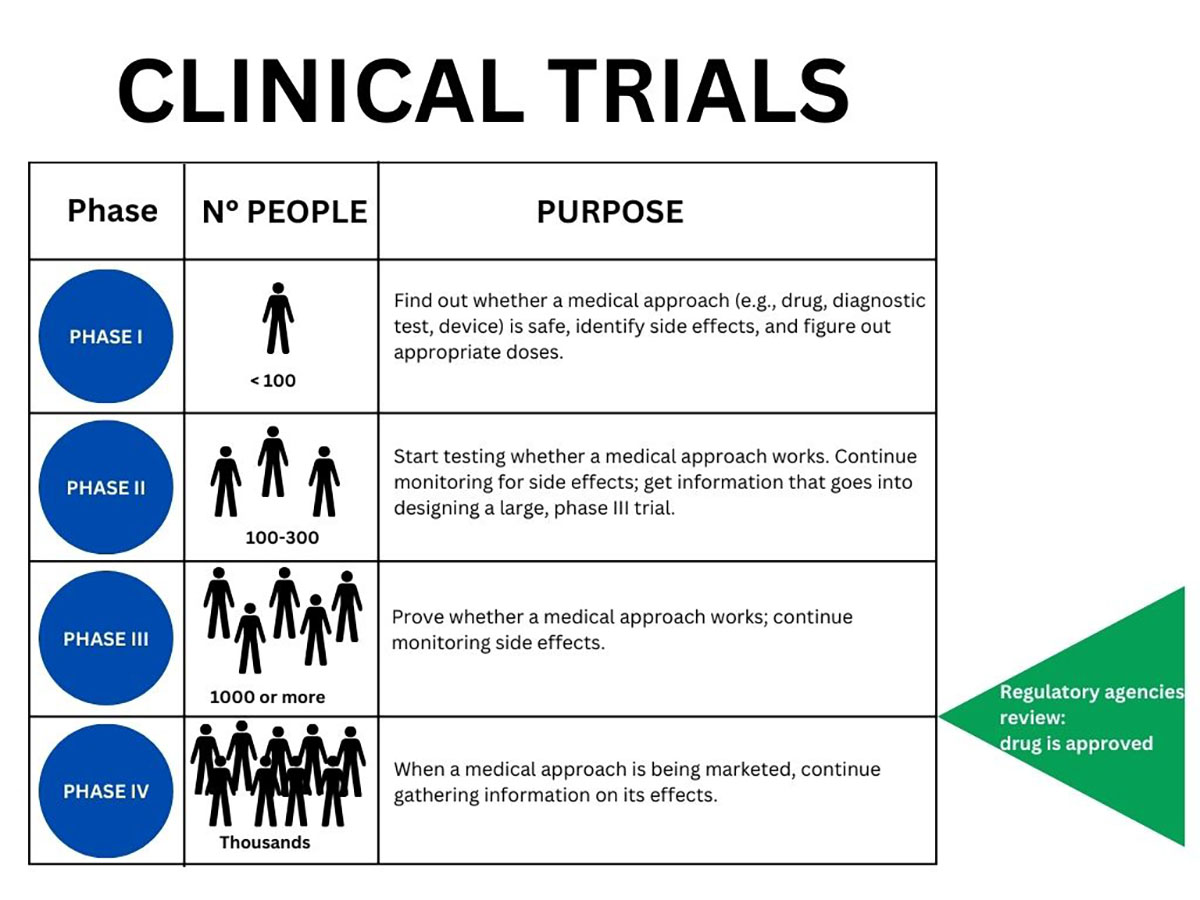
Clinical trials are in vivo research studies aimed at evaluating the safety, efficacy and potential adverse effects that may occur during or after transplant.

AHSCT is an established procedure for aggressive MS according to the consensus of ECTRIMS (European Committee for Treatment and Research in Multiple Sclerosis), EBMT (European Society for Blood and Marrow Transplantation), and leading representatives of ACTRIMS (Americas Committee for Treatment and Research in Multiple Sclerosis) (Muraro et al. 2025).

In this context, clinical trials are highly valuable tools that, over the years and with the experience gained by the AHSCT Centers, help to identify the “ideal candidate” and the “ideal window” for performing the procedure.

Figure created by curems.net based on an NIH (USA) infographic

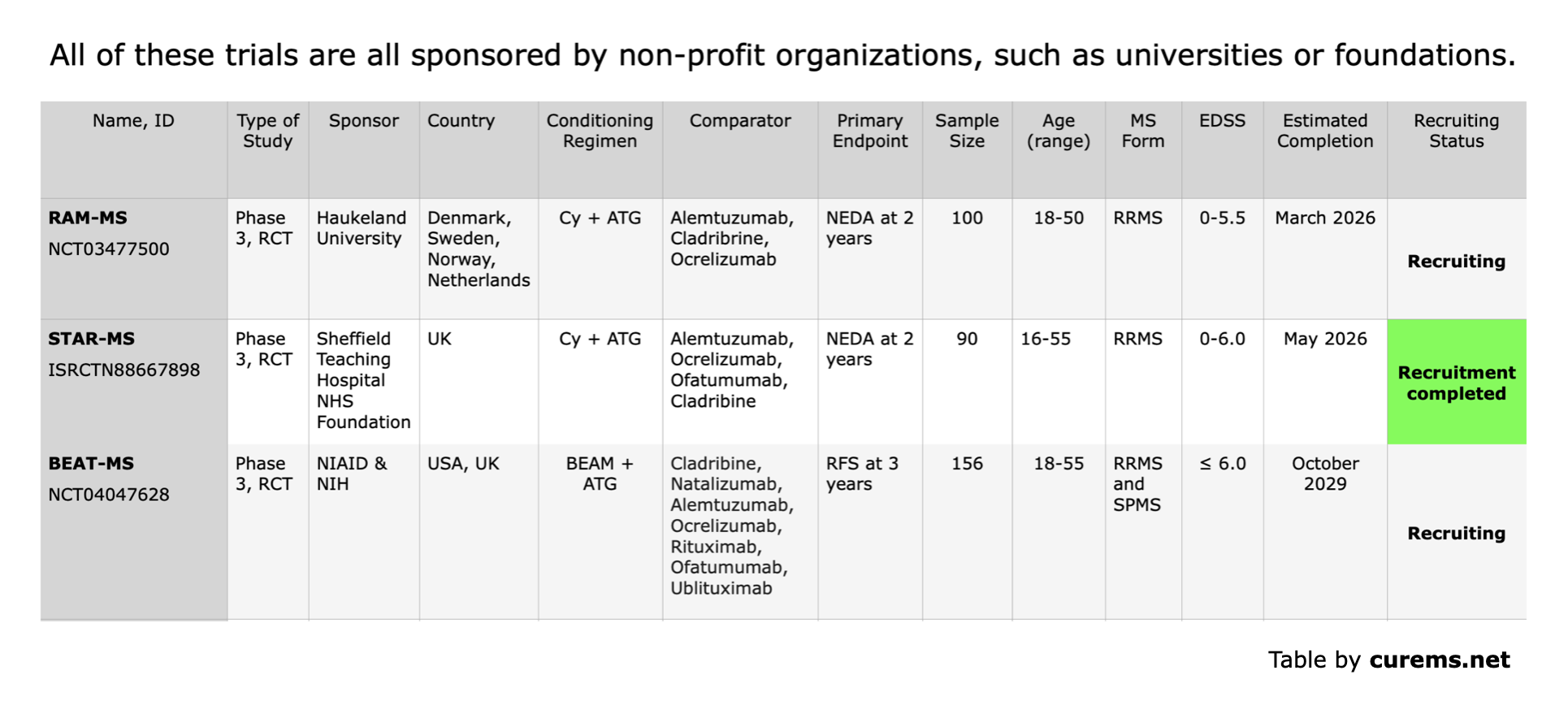
Currently, four randomized clinical trials are underway, comparing AHSCT Cy + ATG or BEAM + ATG against composite comparator groups treated with specific high efficacy DMTs (Disease Modifying Therapies) in highly active MS.

Each study is assigned a unique ID, and this website provides a link for easy access. All study reports are freely available to the public. These trials will generate important evidence to guide the use of AHSCT in the future. Their results are expected to become available over the next decade.

Ongoing Trials (Last Updated November 2025)

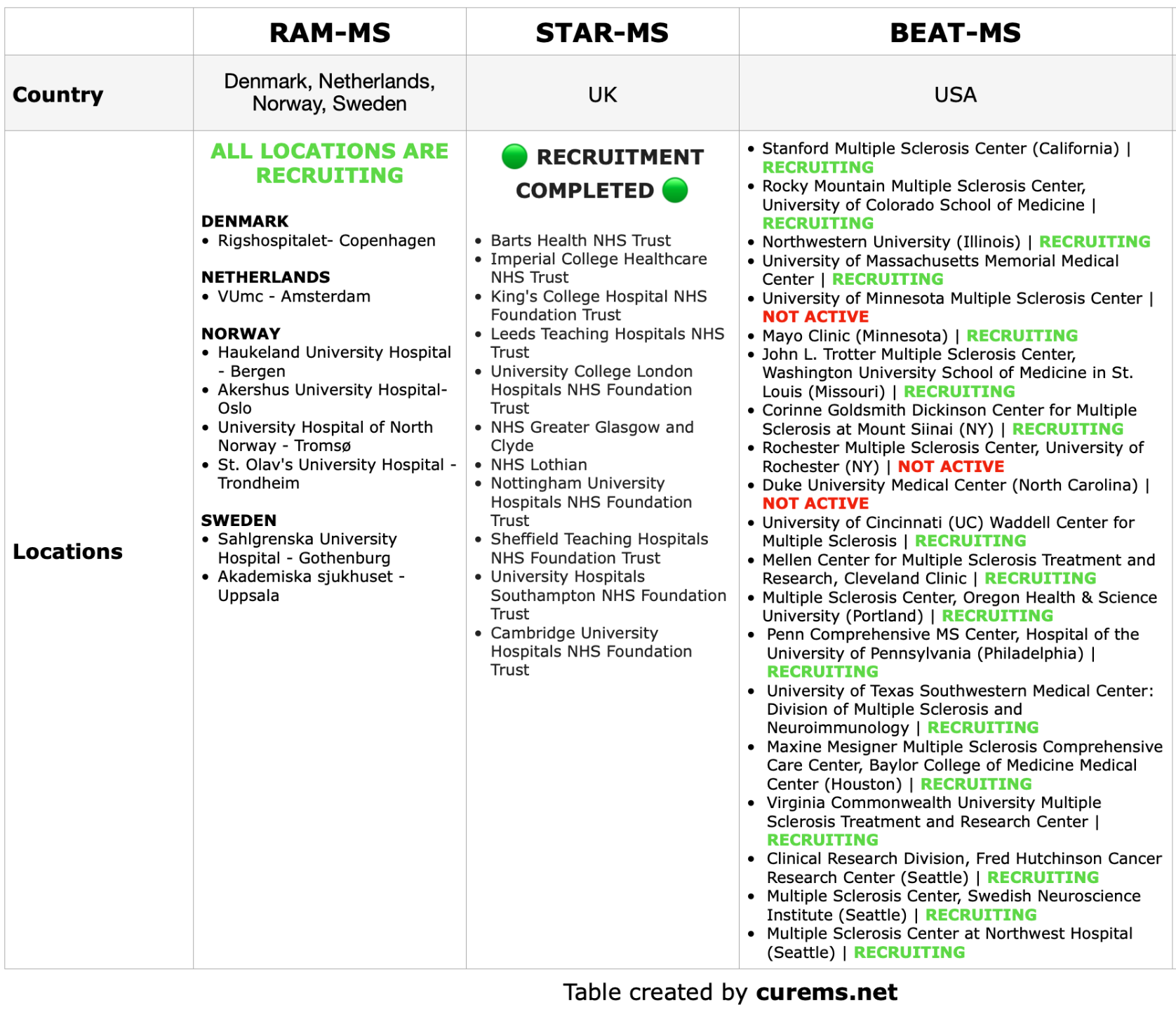
The table shows the recruiting centers involved in trials (November 2025)

🔹Back to index.

RAM-MS Trial

RAM-MS trial is a phase 3 trial conducted in Scandinavia and the Netherlands, sponsored by the Haukeland University Hospital (Norway).

“This study is a randomized multicentre, multinational, treatment interventional study of RRMS patients with breakthrough inflammatory disease activity in spite of ongoing standard immunomodulatory medication. The study has two treatment arms; arm A: HSCT (hematopoietic stem cell transplantation) and arm B: alemtuzumab, cladribine or ocrelizumab.

A pre-planned 3-year follow-up extension period will be performed depending on future funding.

The aim of the study is to assess the effectiveness and side effects of a new treatment intervention in RRMS; HSCT, and, thereby, the value of HSCT in clinical practice. Data from recently published patient series indicate that HSCT may have a significantly higher treatment effect than currently registered RRMS immunomodulatory treatments. This study will determine the relative role of HSCT versus alemtuzumab, cladribine or ocrelizumab” (from ClinicalTrials.gov).

➡️ Study details on ClinicalTrials here

📌 Contacts here

🔹Back to index.

STAR-MS Trial

The StarMS trial, is a phase 3 study that recruited patients from 19 center in the UK. Star-MS is set to compare HSCT with highly potent DMTs: Alemtuzumab, Ocrelizumab, Cladribine and Ofatumumab.

This project is founded by the Efficacy and Mechanism Evaluation (EME) Programme, an MRC and NIHR partnership, and sponsored by the Sheffield Teaching Hospitals.

“Star-MS is a multicentre rater-blinded randomised controlled trial of AHSCT versus high efficacy DMT (alemtuzumab, cladribine, ocrelizumab and ofatumumab) of 90 RRMS patients in the United Kingdom (England, Scotland, United Kingdom, Wales). Haematopoietic stem cells are obtained following cyclophosphamide based priming and AHSCT is delivered using non-myeloablative conditioning with cyclophosphamide and anti-thymocyte globulin followed by an unselected autologous graft.” As of September 2024, Star-MS has recruited all 90 patients, and the recruiting is completed.

Recruitment began in 2022. The results are expected to be published in early 2026. As reported on its website, clinical trials must adapt to evolving clinical practices to maintain their relevance and success within the target patient population. AHSCT should be considered standard care for patients with active RRMS who are not responding to DMTs (Disease Modifying Therapies). It is also a viable treatment option for treatment-naive patients with RES-MS (Rapidly Evolving Severe Multiple Sclerosis). The Star-MS trial aims to evaluate whether AHSCT offers superior efficacy compared to high-efficacy DMTs.

🟢 Official Website here

➡️ Study details on the International Clinical Trials Registry Platform (ICTRP) here

📌 Contacts here
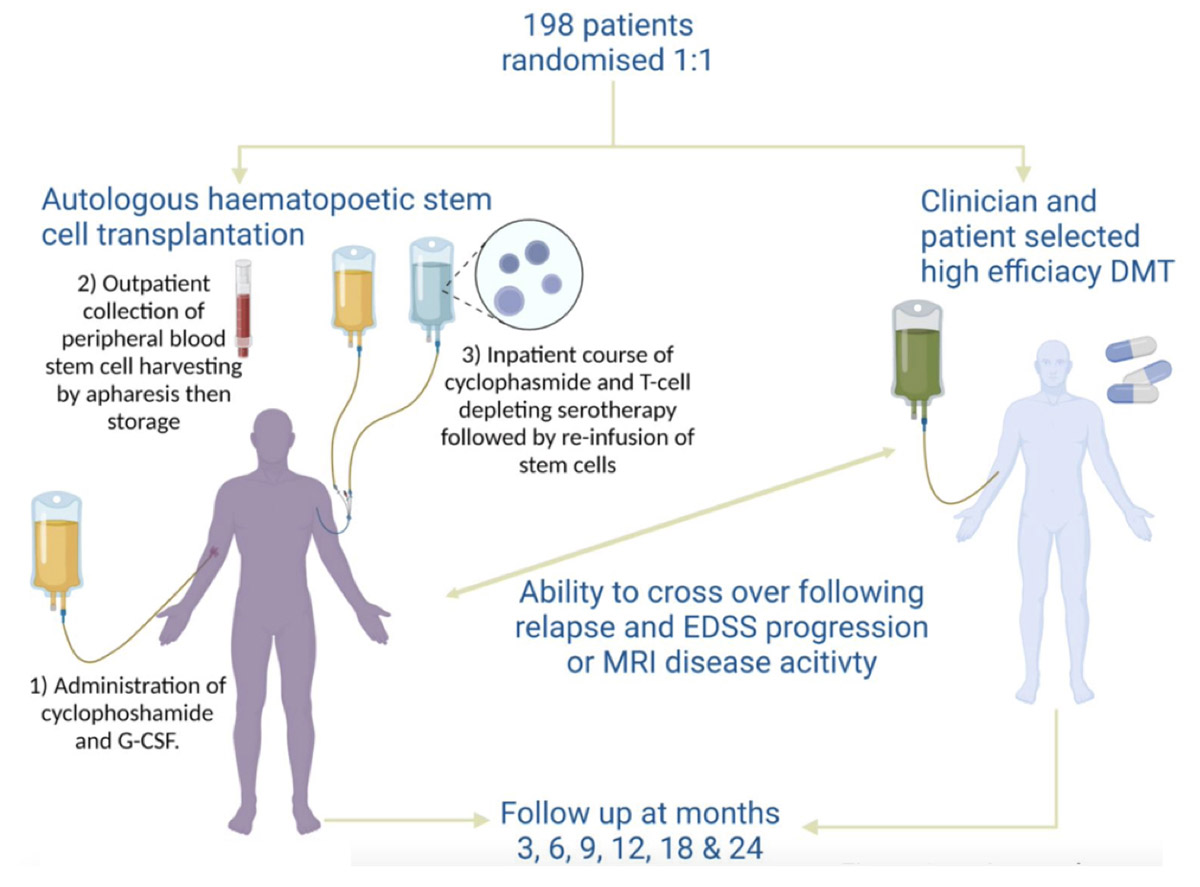
Figure from Brittain et al. “A changing target – adapting autologous haematopoietic stem cell transplantation clinical trials to evolving clinical practice in highly active relapsing remitting multiple sclerosis”. Star-MS Trial poster at ECTRIMS 2022.

It is important to note that the figure above represented the initial enrollment numbers required by the trial. This number was later reduced based on statistical evaluations (personal communication at ECTRIMS 2024). As of September 2024, STAR-MS has successfully recruited all 90 participants.

🔹Back to index.

Two randomized clinical trials are comparing AHSCT (BEAM + ATG) against a range of high-efficacy DMTs representing the best standard care:


BEAT-MS Trial

BEAT-MS “is a multi-center prospective rater-masked (blinded) randomized controlled trial of 156 participants, comparing the treatment strategy of AHSCT to the treatment strategy of BAT (Best Available Therapy) for treatment-resistant relapsing MS: cladribine, natalizumab, alemtuzumab, ocrelizumab, rituximab, ofatumumab, ublituximab. Participants will be randomized at a 1 to 1 (1:1) ratio. All participants will be followed for 72 months after randomization (Day 0, Visit 0)” (From ClinicalTrials.gov).

This study has 19 locations. BEAT-MS is sponsored by the National Institute of Allergy and Infectious Diseases and conducted in collaboration with the Immune Tolerance Network in the US and UK. The researchers will monitor the patients for a duration of 6 years, with an anticipated study conclusion in 2029.

🟢 Official website here

➡️ Study details on ClinicalTrials here

📌 Contacts here

🔹Back to index.

NET-MS Trial

NET-MS = No Evidence of Disease Activity after Autologous Hematopoietic Stem Cell Transplantation vs Best Available Therapy in Aggressive Forms of MS is phase 2b trial in Italy sponsored by FISM (Fondazione Italiana per la Sclerosi Multipla – Italian MS Foundation). In this study will be used as a comparator natalizumab, alemtuzumab, ocrelizumab or ofatumumab.

➡️ Study details on EU Clinical Trial Register here

📌 More information here (source: AISM – Italian MS Association, official website)

🔹Back to index.

Other Hopes to Cure

In addition to AHSCT, three innovative approaches offer hope to “cure” MS: EBV vaccines (Epstein-Barr Virus), CAR-T (Chimeric Antigen Receptor T-cell Therapy), regulatory T-cells and T cell engagers.

EBV Vaccines

This approach aims either to prevent Epstein–Barr virus (EBV) infection in individuals who are EBV-negative or to block EBV-driven immune activation in those who are already EBV-positive. EBV infection has been identified as a necessary but not sufficient factor for the development of MS (Bjornevik et al., 2022). Preventing infection—or modulating its downstream effects—could potentially reduce/abolish the risk of MS or influence disease activity.

One of the leading proponents of this hypothesis is Professor Giovannoni, who has shown sustained interest in this area and has published extensively on EBV and its role in MS (Giovannoni G., 2024).

The race to develop the first approved vaccine for the EBV is challenging, with three main candidates and several other studies in preclinical phase currently in development across different clinical stages.

These trials and studies are exploring different technologies (like mRNA and nanoparticles) and approaches, with the goal of:

  • Preventing Initial Infection (subclinical infection, mononucleosis, EBV-induced tumors, and development of MS);
  • Targeting Latent/Reactivated Virus (riduce/abolish the MS activity).

This represents the first preventive vaccine against EBV, targeting the virus before infection occurs. Unlike the therapeutic HORIZON trial (mRNA-1195) which treats existing MS patients, ECLIPSE aims to prevent primary EBV infection and its immediate consequence—infectious mononucleosis—which affects millions globally and may be linked to later development of conditions like MS. Moderna is now advancing toward a pivotal phase 3 trial (a decisive for regulatory approval required by regulators).

The vaccine uses mRNA technology encoding four EBV envelope glycoproteins (gH, gL, gp42, gp220) that mediate viral entry into B-cells and epithelial cells—the primary targets of EBV infection. This trial has completed recruitment. 

Study Design:

  • 867 participants
  • Part A: Ages 18-30 (healthy adults)
  • Part B: Ages 12-17 (EBV-seronegative adolescents)
  • Part C: Ages 10-21 (healthy adolescents and adults)
  • Randomized, observer-blind, placebo-controlled
  • Testing four different dose levels
  • Three intramuscular injections at Days 1, 57, and 169
  • Approximately 18 months total participation
  • Locations: 65 locations across the US.

Link to Moderna website: here

Link to Clinical Trials website: here

The possibility of reducing the risk of MS is currently being explored through the development of EBV-targeted vaccines, including this ongoing Moderna trial using an mRNA-based vaccine. This study has 16 locations across the US, UK and Australia, and they now are all recruiting. 

The HORIZON trial is a phase 2 study investigating whether an mRNA vaccine targeting EBV can prevent relapses and slow disease progression in people recently diagnosed with MS. The approach represents a paradigm shift from current MS treatments—rather than suppressing the immune system broadly, this vaccine targets what researchers believe may be the root viral trigger of MS.

Study Design:

  • 180 participants, ages 18-55
  • Randomized into three arms: high dose, low dose, or placebo
  • Three intramuscular injections given at months 0, 2, and 6
  • 12 MRI scans throughout the study period
  • Total follow-up duration: approximately 2.5 years

Eligibility criteria include diagnosis with relapsing MS within the past 2 years — including CIS (clinically isolated syndrome) or RIS (radiologically isolated syndrome), confirmed EBV seropositivity, and neurological stability at enrollment.

The trial’s primary outcome is assessing safety and tolerability, while secondary outcomes evaluate whether the vaccine can prevent MS relapses by stopping EBV reactivation in infected B cells. 

This represents the first therapeutic vaccine approach attempting to address MS by targeting its suspected viral cause rather than managing symptoms through immunosuppression.

Link to Moderna website: here 

Link to Clinical Trials page: link

The NIH trial is a phase 1 study testing a preventive vaccine using ferritin nanoparticle technology to display the EBV glycoprotein gp350—the primary target for neutralizing antibodies in natural infection. The vaccine uses a saponin-based Matrix-M adjuvant developed by Novavax.

Ferritin is a natural iron storage protein that serves as a vaccine platform by displaying viral proteins in a dense array on its surface, potentially enhancing immune recognition and response. This trial is active, not recruiting. 

Study Design:

  • 40 participants, ages 18-29
  • 20 EBV-seropositive, 20 EBV-seronegative
  • Three 50-microgram intramuscular injections at Days 0, 30, and 180
  • 30-60 minutes observation after each dose
  • 18-30 months individual participation
  • Total trial duration: approximately 4 years

Primary objective: Safety and immunogenicity evaluation

Secondary objective: Assess immune response to gp350, including neutralizing antibody production and CD4+ T cell responses. 

Location: NIH Clinical Center, Bethesda, Maryland (single site)

Principal Investigator: Jessica Durkee-Shock, M.D. (NIAID Laboratory of Infectious Diseases)

Unlike Moderna’s multi-antigen approach, this vaccine focuses exclusively on gp350 but uses advanced nanoparticle technology to optimize antigen presentation.

Link to Clinical Trials website: here

🔹Back to index.

To date, five different EBV vaccine candidates are currently in the preclinical phase, exploring multiple approaches (Dai et al. “Recent Progress in the Vaccine Development Against Epstein–Barr Virus“. Viruses, 2025):

Several EBV vaccine candidates have been developed and evaluated at the preclinical stage, and some reached early clinical trials (Phase I or II); however, none have advanced to late-stage clinical development to date (Dai et al. “Recent Progress in the Vaccine Development Against Epstein–Barr Virus“. Viruses, 2025):


CAR-T Cell Therapy

Another approach that potentially could lead to a cure for MS, utilizes CAR-T cells. These cells which target CD-19 lymphocytes or plasma cells via B-cell maturation antigen (BCMA) have demonstrated remarkable efficacy in treating leukemia, lymphoma, multiple myeloma, and autoimmune diseases (Baker et al., 2024).

This topic is still in its early stages, and time will be needed to determine the timelines, benefits, and risks. It is a subject of intense scientific debate.

🟢 The first two cases of MS treated with CAR-T therapy (Fischbach et al., 2024) – click here to learn more.

Structural Evolution of CAR-T Receptors

All CAR-T receptors have a part that recognizes the target antigen on the diseased cell (antigen-binding domain, in dark blue). This part is connected to a structure that spans the cell membrane (transmembrane domain TMD, in light blue) and an internal component that activates the T cell (CD3ζ, in red).

More advanced CAR-T versions include extra activation domains (such as CD28, 4-1BB, OX40) that make the T cell response stronger and longer-lasting.

Some next-generation CAR-T therapies also feature cytokine signaling modules (in purple) that enhance the T cells’ ability to fight disease for extended periods.
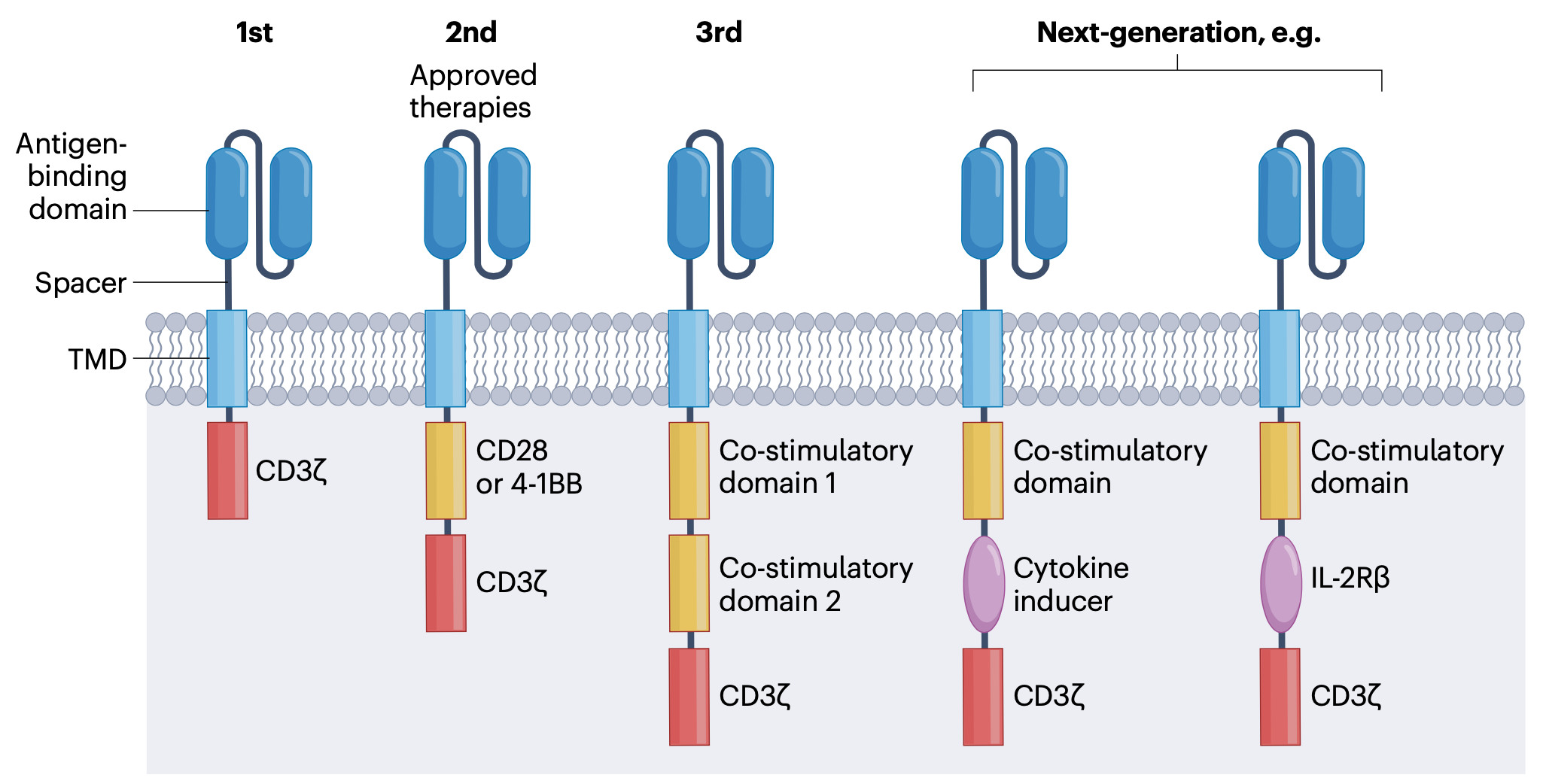
Figure from Junt et al.Defining immune reset: achieving sustained remission in autoimmune diseases“. Nature Reviews Immunology (2025)

For further information, we recommend the following sources:

Figure from De Marco et al. “CAR T Cell Therapy: A Versatile Living Drug“. Int. J. Mol. Sci. (2023) Simplified visualization of the steps involved in an example manufacturing process for CAR-T cells.

🔹Back to index.

Regulatory T Cells

In this insightful review by Ransohoff Richard M. (“Selected Aspects of the Neuroimmunology of Cell Therapies for Neurologic Disease“. Neurology. 2024), Tregs are presented as a potential therapeutic avenue for treating MS: “A distinctly different cell therapy approach for autoimmunity is to restore immune and tissue homeostasis using engineered regulatory T cells (Tregs)”.

While research is still ongoing, the idea behind using T-reg cells is based on their ability to modulate the immune system (i.e., decrease autoimmunity) and reduce the inflammatory processes that lead to demyelination and neurodegeneration in MS.

🔹Back to index.

T Cell Engagers

TCEs (T-cell engagers) are a class of immunotherapeutic drugs designed to redirect a patient’s T cells to specifically target and kill other cells, such as cancer cells or, in the context of autoimmune diseases, autoreactive immune cells.

They are typically bispecific antibodies, meaning they have two distinct binding sites: one that attaches to a specific molecule (antigen) on the surface of a target cell (such as a cancer cell), and another that binds to CD3, a molecule on the surface of T cells that is part of the T cell receptor complex involved in activation.

By simultaneously binding both the T cell and the target cell, TCEs act like a molecular “handshake”, forcing these two cells into close proximity. This interaction triggers the activation of the T cell, leading it to release cytotoxic molecules that directly kill the target cell.

TCEs have been primarily studied and utilized in cancer immunotherapy, enhancing the immune system’s ability to attack cancer cells. However, their potential application in autoimmune diseases like multiple sclerosis (MS) is an emerging area of research. In this context, TCEs could be designed to target and eliminate autoreactive immune cells, which are responsible for attacking the body’s own tissues in diseases like MS.
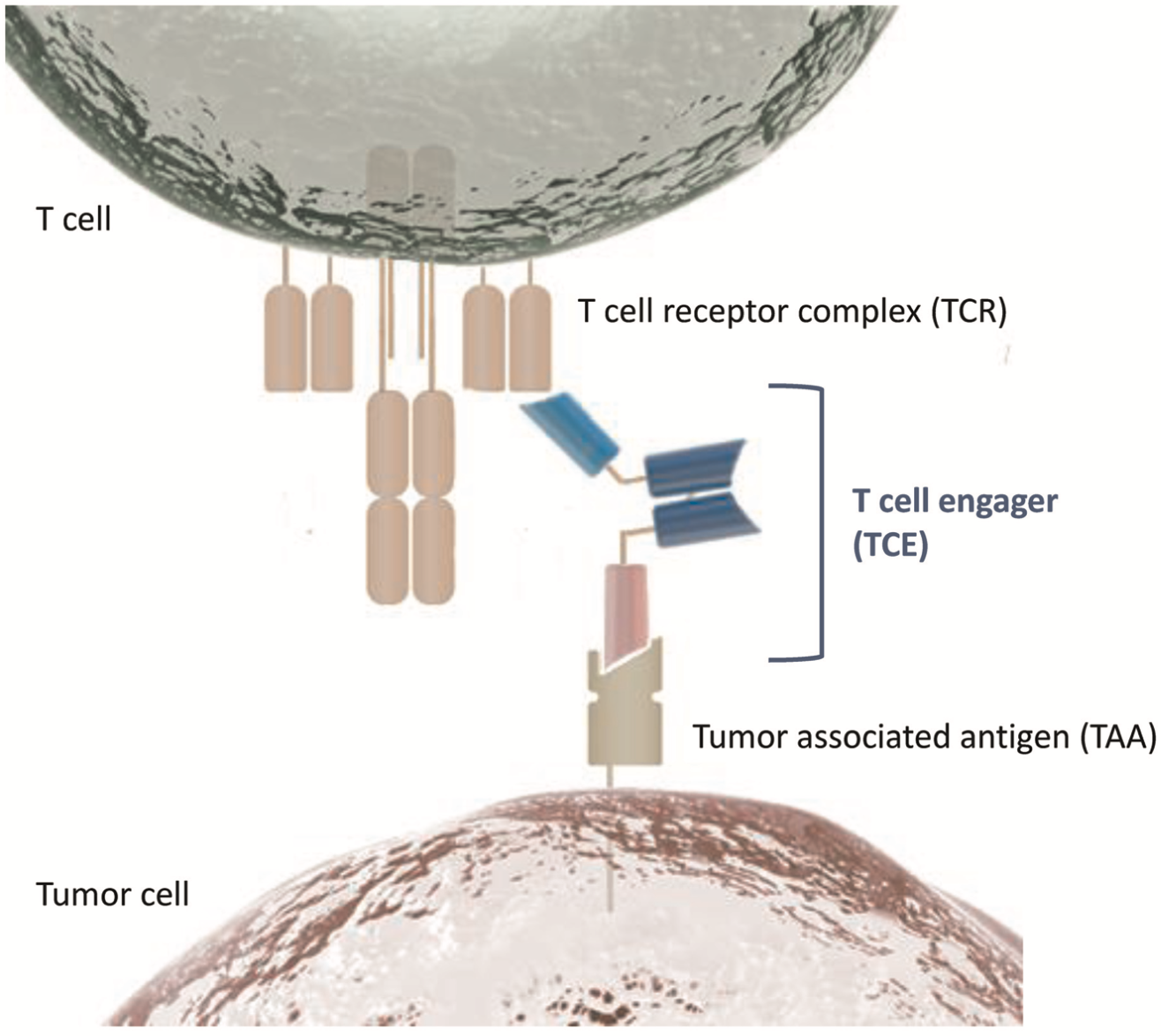
Figure from Baeuerle et al.T-cell-engaging antibodies for the treatment of solid tumors: challenges and opportunities“. Curr Opin Oncol (2022).

T-cell engagers (TCEs) are treatments that help T cells attack cancer cells. They usually have three parts: one part attaches to the T cell, another part sticks to the cancer cell, and the third part helps the treatment last longer in the body.

Further reading: Shah et al.Disrupting B and T-cell collaboration in autoimmune disease:T-cell engagers versus CART-cell therapy?“. Clin Exp Immunol (2024)

🔹Back to index.