
On this page, for easy interpretation, all concepts explained in “lay” language are highlighted in green boxes. However, if you want more information, or if you are an HCP, you’ll find some “technical deep dives” or expandable sections (in light blue) with more insights on that particular topic.
Factors Influencing Risks
Read the full insights for more details:
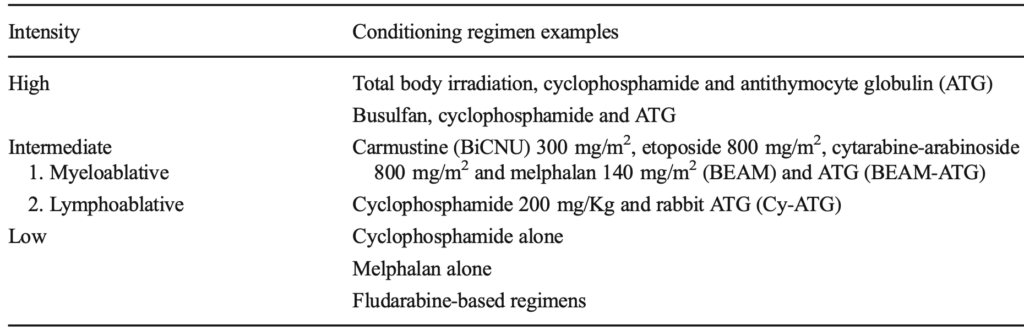
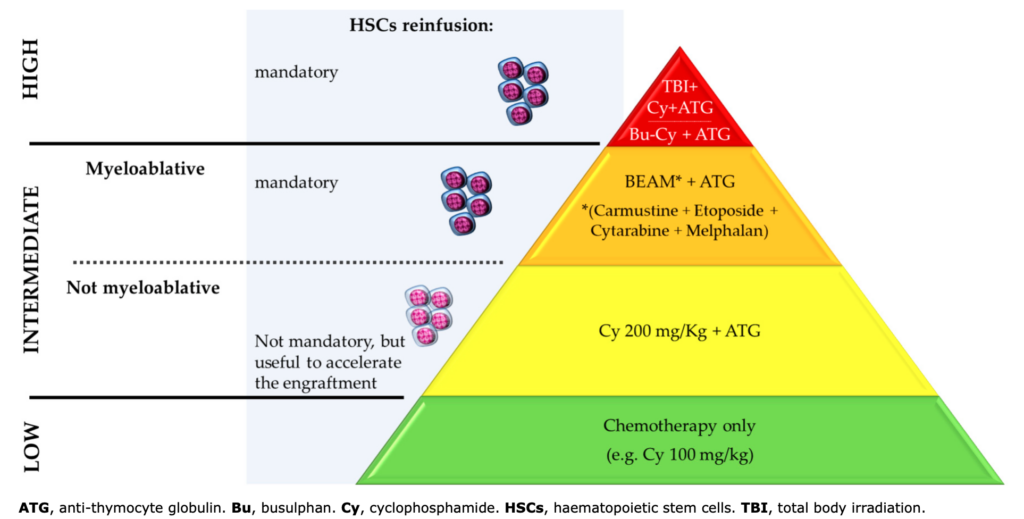
AHSCT-related adverse events (i.e., complications) are divided into:
🟢 Early adverse events from the first day of mobilization to 100 days after transplant
🟢 Transplant-related mortality (TRM) within 100 days following transplant
🟢 Late adverse events starting from day 101 after transplant
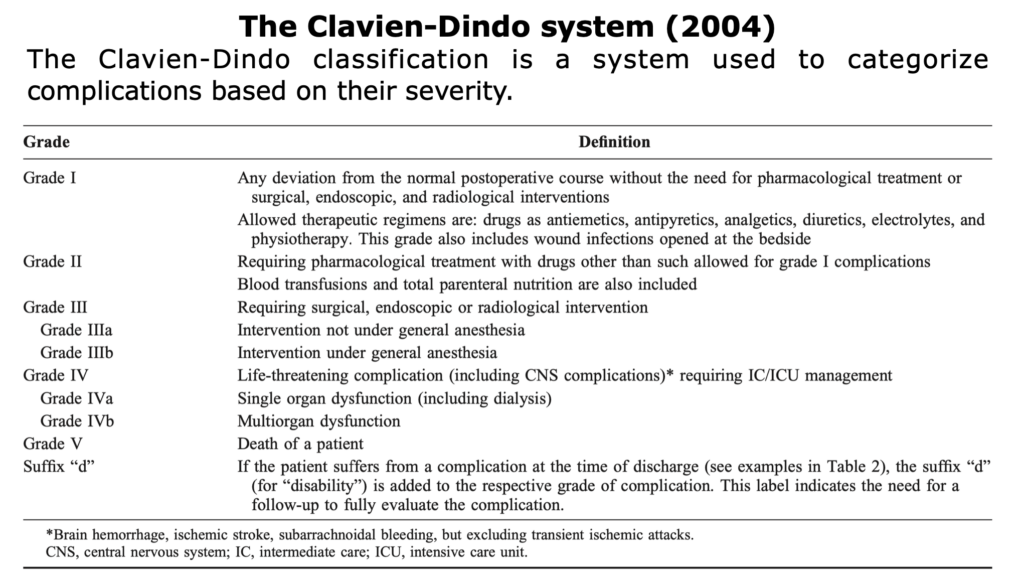
The classification of adverse events was developed by Clavien et al., in 2004, read here the publication or read the insights (blue button).
Early Adverse Events
From Mobilization Day 1
to Day 100 Post-AHSCT
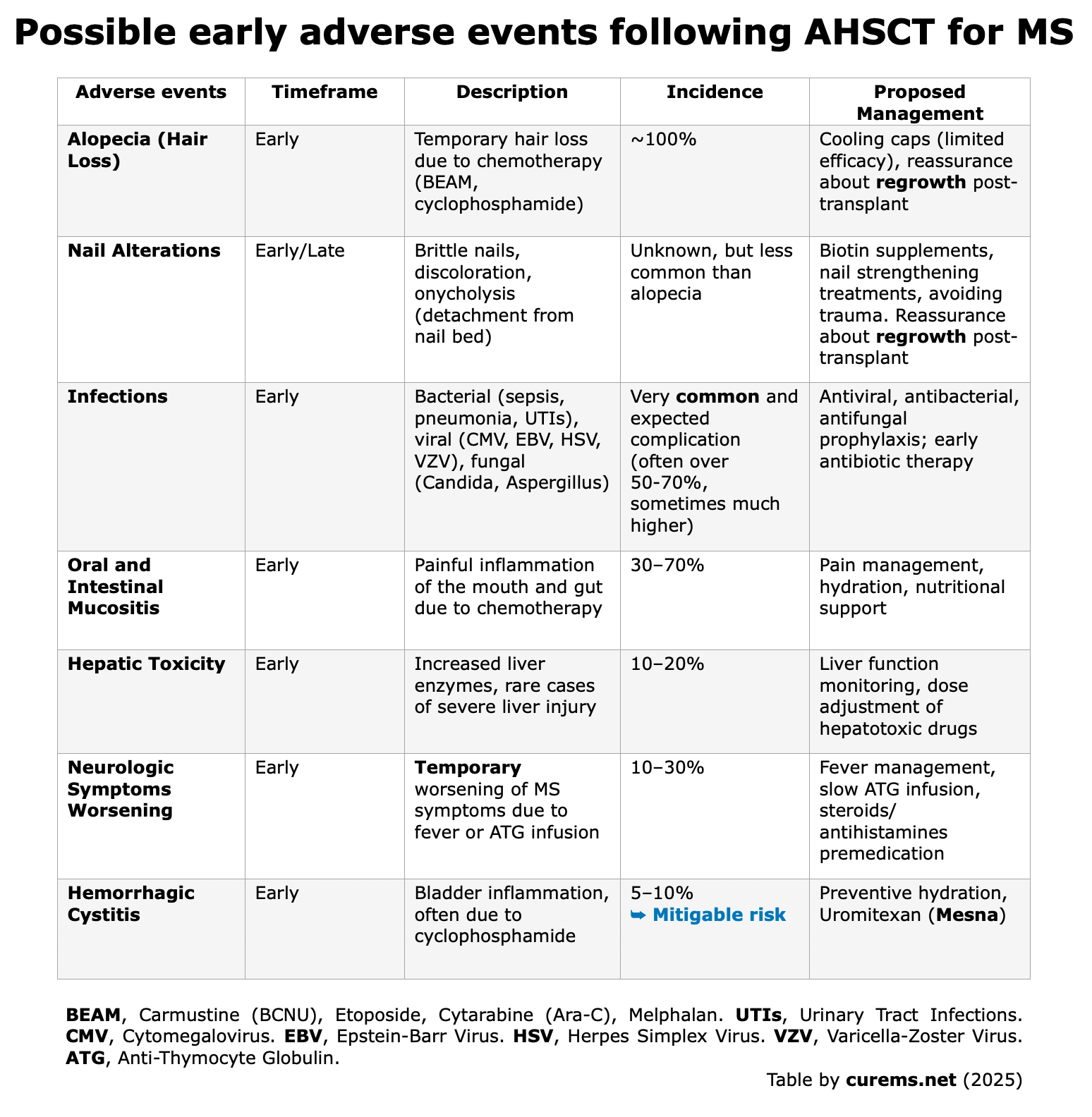
Data obtained from “Hematopoietic Stem Cell Transplantation for Neurologic Diseases“. Chapters 8-10. Handbook of Clinical Neurology (Elsevier, 2024). Edited by Professors M. Inglese and G.L. Mancardi
✅ What the studies show: Five studies — including a randomised trial, two single-centre real-world cohorts, a national registry, and a two-centre observational study — consistently show that serious early adverse events are uncommon when AHSCT is performed in experienced centres using intermediate-intensity conditioning in appropriately selected patients. The most frequent complications are transient and expected: febrile neutropenia, herpes zoster reactivation, and mild mucosal infections (upper respiratory tract, urinary tract). CMV and EBV reactivation occur but are manageable with standard monitoring and treatment protocols.
No cases of PML, Pneumocystis jirovecii pneumonia, or EBV-related lymphoproliferative disease were reported in the two largest cohorts (Burt 2022; MIST 2015). The frequency and severity of adverse events increase with higher conditioning intensity and broader patient populations including progressive MS. Transplant-related mortality was zero across all five studies. The higher overall rate of early adverse events in Nicholas 2021 reflects a broader patient population — including 52% progressive MS — and a higher cyclophosphamide dose used in one cohort during mobilisation.
Taken together, these data support a favourable early safety profile for AHSCT when patient selection and centre experience criteria are met.
Read the full insights for more details:
MIST trial by Burt et al., 2015, evaluated 110 RRMS patients, comparing AHSCT vs. other DMTs with a follow-up for a median of 2 years.
There were no TRM and no early or late infectious cases (such as fungal, Pneumocystis jirovecii, CMV, Epstein-Barr virus, or JC virus). No patients who received AHSCT developed nonhematopoietic grade 4 toxicities (such as myocardial infarction, sepsis, or other disabling or potential life-threatening events).
Burman et al., 2014. Journal of Neurology, Neurosurgery & Psychiatry.
In this Swedish cohort of 48 pwMS underwent AHSCT: 34/48 had RRMS, and the mean follow-up time was 47 months. There was no mortality, while the most common long-term side effects were herpes zoster reactivation in 8 patients (17%): 4 during the first year; 3 during the second year; and 1 during the third year after AHSCT.
Nicholas et al., 2021. Neurology.
In the study by Nicholas et al., 2021, 120 patients were evaluated (52% PPMS or SPMS and 48% RRMS). As early complications “Almost 90% of the treated patients experienced at least 1 early complication after AHSCT”.
After mobilization, one cohort showed higher rates of fever, positive cultures, neutropenia, and readmissions, likely due to the higher cyclophosphamide dose (4 g/m² vs. 2 g/m²). During conditioning/HSCT, this cohort more frequently experienced fever, diarrhea, and EBV reactivation, while the second cohort had higher rates of severe nausea and vomiting.” CMV was detected in 26 out of 120 patients. EBV reactivation was demonstrated in 87 of 109 (80%; 11 missing/not tested) of participants after AHSCT.
Burt et al., 2022. Journal of Neurology.
The authors investigate the results of real-world application of non-myeloablative AHSCT in 507 patients at the Northwestern University (414 with RRMS and 93 with SPMS) between 2003 and 2019. The median follow-up was 5 years. Data on infection was divided into 3 different timeframes:
(A) During hospitalization: “the main infections were stool clostridium difficile (1.1%), one bacteremia (0.19%) without hypotension or sepsis speciated as Klebsiella pneumoniae that was sensitive to cefepime”. Burt et al., 2022
(B) Hospital discharge until day 100: “the most common infections involved mucosal surfaces infections from viral (n = 13) or bacterial (n = 18) URTI (upper respiratory tract infection), sinusitis (n = 12), or oral or vaginal candidiasis, and bacterial (n = 28) or viral (n = 3) UTI (urinary tract infection). All patients recovered without need for hospitalization. Transient viral hemorrhagic cystitis occurred in 3 patients: 2 from BK virus, and one from adenovirus. One patient developed clostridium difficile diarrhea”. Burt et al., 2022
(C) 100 days until one year post-AHSCT: “the most common infections were again URTI and UTI infections that resolved with oral antibiotics and occurred in 26 and 35 patients, respectively. Two patients developed clostridium difficile diarrhea. One patient developed a cutaneous breast implant gram positive bacterial infection. Dermatomal VZV infections occurred for the first time in 12 patients.” Burt et al., 2022
No patient at any time point (A, B or C) after AHSCT developed PML, CMV disease, Pneumocystis jiroveci pneumonia, or EBV symptoms or lymphoproliferative disease. No one has died from COVID 19 infection.
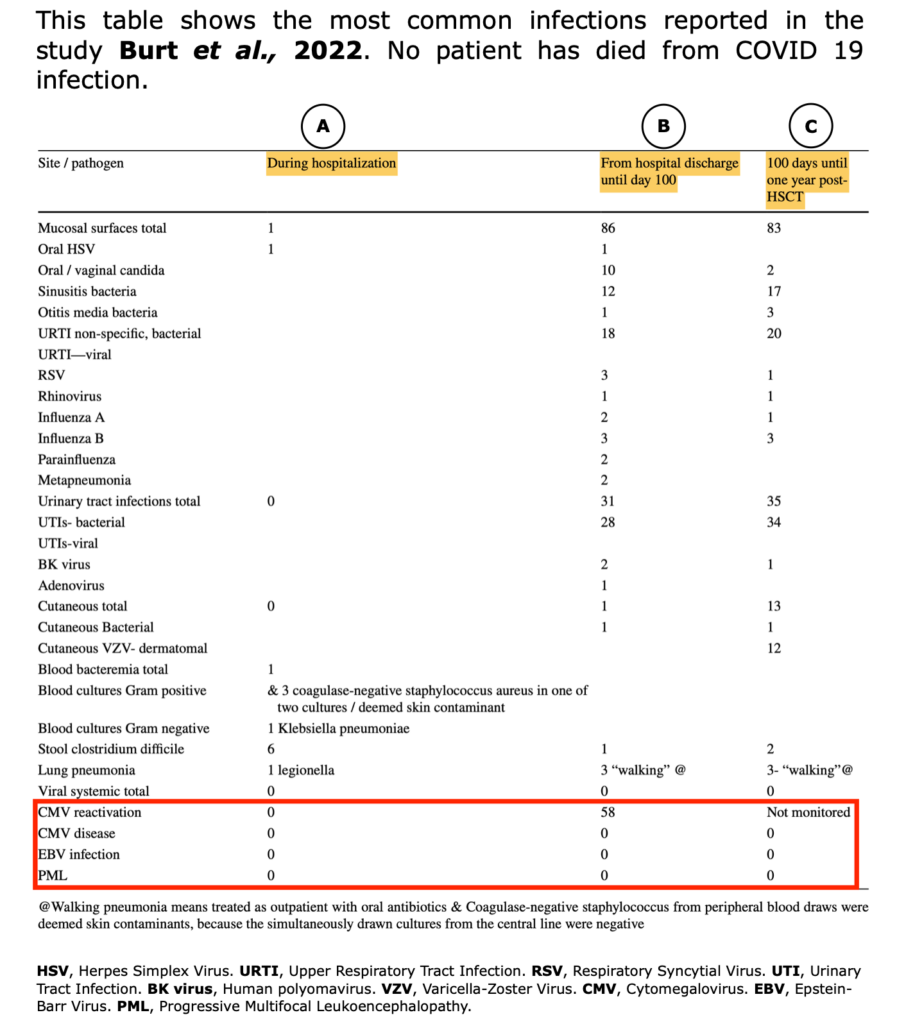
Table from Burt et al. “Real-world application of autologous hematopoietic stem cell transplantation in 507 patients with multiple sclerosis”. J of Neurol (2022)
Jespersen et al., 2023. Multiple Sclerosis and Related Disorders.
32 patients with RRMS were treated with AHSCT at the Danish MS Center (Rigshospitalet, Denmark) from May 2011 to May 2021. Seven patients underwent AHSCT with BEAM/ATG regimen with a median follow-up of 49 months, and twenty-five patients underwent AHSCT with the regimen of CY/ATG with a median follow-up of 39 months.
According to the authors “Reported adverse events during mobilization and conditioning were mainly mild to moderate and required no treatment.”
The most significant severe adverse events were anemia and neutropenic fever during conditioning, which were anticipated complications due to bone marrow suppression, consistent with similar studies using BEAM/ATG or CY/ATG.
No treatment-related mortality was reported in this study.
Transplant-Related Mortality
Within 100 Days After Conditioning Regimen
✅ What the studies show: TRM has declined dramatically over three decades of AHSCT practice. EBMT registry data — the largest available dataset, covering over 2,000 patients — show a reduction from 7.3% (1995–2000) to below 0.2% with current reduced-intensity conditioning, driven by better patient selection, increased centre experience, and improved supportive care.
In the largest single-centre real-world cohort (Burt 2022, 507 patients), TRM was 0.19%. In the most recent UK-wide 20-year study (Kazmi 2025, 364 patients), TRM was 1.4% — all five deaths occurring in patients with high baseline disability (EDSS ≥6.0), underscoring the critical role of patient selection. Willison 2022 provides the clearest regimen-by-regimen breakdown: TRM ranges from 2.4% with high-intensity conditioning to 0.1% with intermediate lymphoablative protocols (Cy+ATG). High-intensity conditioning is no longer recommended. With current intermediate-intensity regimens in appropriately selected patients treated at experienced JACIE-accredited centres, TRM is consistently below 1% and approaches 0.2% in the most recent data.
Read the full insights for more details:
In this 20-year UK-wide study of 364 pwMS undergoing AHSCT, the TRM was 1.4% (5 patients: 2 PPMS and 3 RRMS) (Kazmi et al., 2025).
All TRM cases occurred within 100 days post-transplant and were associated with advanced baseline disability (4 out of 5 patients had an EDSS of 6.5, and 1 patient had an EDSS of 6.0). Causes of death included cardiac arrest, sepsis, and respiratory failure, primarily during or shortly after the conditioning phase. These findings underscore the importance of careful patient selection and pre-transplant evaluation to minimize risks.
As the authors note “This report, for the first time, confirms no benefit and potential risks of higher ATG doses (>6.0 mg/kg). Therefore, it seems reasonable to cap the rATG dose to 6.0 mg/kg.”.
This aligns with data showing increased complications at higher rATG doses, supporting the recommendation to limit the dose to improve safety and reduce toxicity.
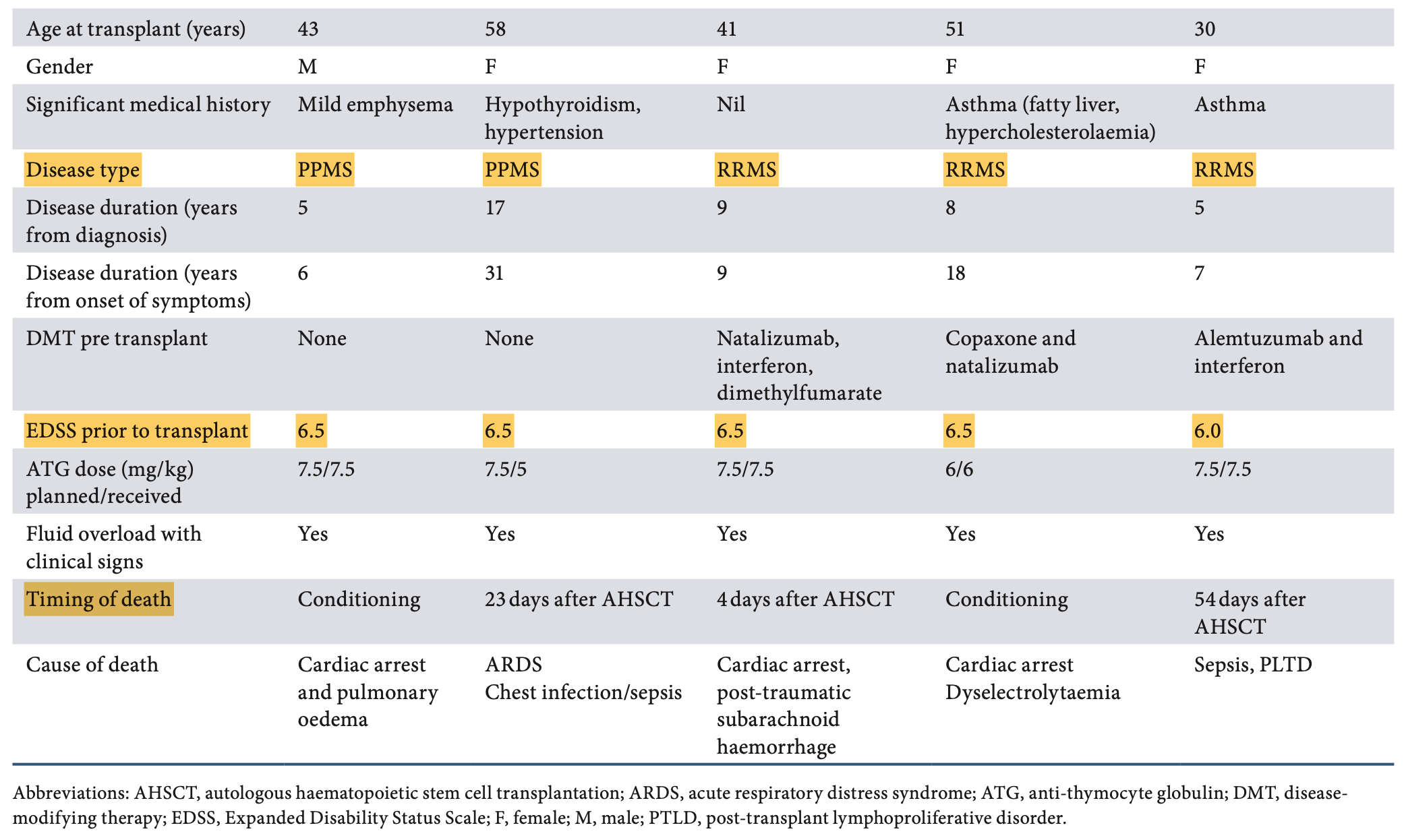
Table from Kazmi et al., 2025: TRM occurred in 5 out of 364 patients—2 with PPMS and 3 with RRMS.

Source: EBMT handbook 2024
An analysis of the EBMT registry indicated that TRM rates significantly decreased over time: from 7.3% during 1995-2000, to 1.3% between 2001-2007, and falling to less than 1.0% in the period from 2008 to 2016 (Muraro et al., 2017).
In 2022, an update of the EBMT registry (Alexander et al., 2022) emphasized that “reduced intensity conditioning regimen significantly reduce the risk of treatment-related morbidity such as infections, infertility, organ damage, as well as treatment-related mortality (TRM) to 0.2%. Indeed, there was chronological improvement in HSCT outcomes (i.e., progression-free survival, relapse/progression, and TRM), strictly connected to the transplant center experience, patient selection and progress with supportive care”.
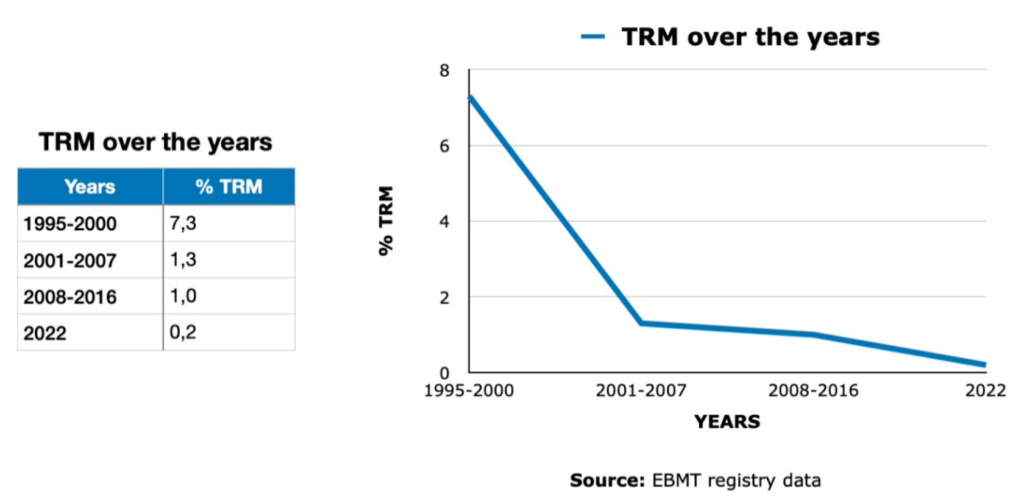
Figure created by curems.net based on the EBMT registry
Unfortunately, there were 5 late non-AHSCT-related deaths:
- 3 died more than one year after AHSCT from a cerebrovascular accident related to medication non-compliance (1 patient), a myocardial infarction (1 patient), and (1 patient) during an elective cholecystectomy (unknown cause);
- 1 patient died 3 years after HSCT from colon cancer;
- 1 patient who received alemtuzumab in the conditioning regimen died 10 years after AHSCT from a T cell lymphoma.
No patient developed post-AHSCT diseases such as myelodysplastic syndrome, leukemia, or bladder cancer.
Willison et al. published an extended overview of clinical trials treating pwMS with AHSCT. On the section dedicated to risks, they reported that:
“The percentage of total patients who underwent transplantation [AHSCT] and died as a consequence, with deaths related to conditioning regimen, was 2.4% following a high-intensity regimen (2 deaths, 85 patients), 1% following myeloablative intermediate-intensity conditioning (5 deaths, 491 patients), 0.1% following lymphoablative intermediate-intensity conditioning (1 death, 1065 patients) and 0% following low-intensity conditioning (0 deaths, 42 patients)”.
See the table below for a summary.
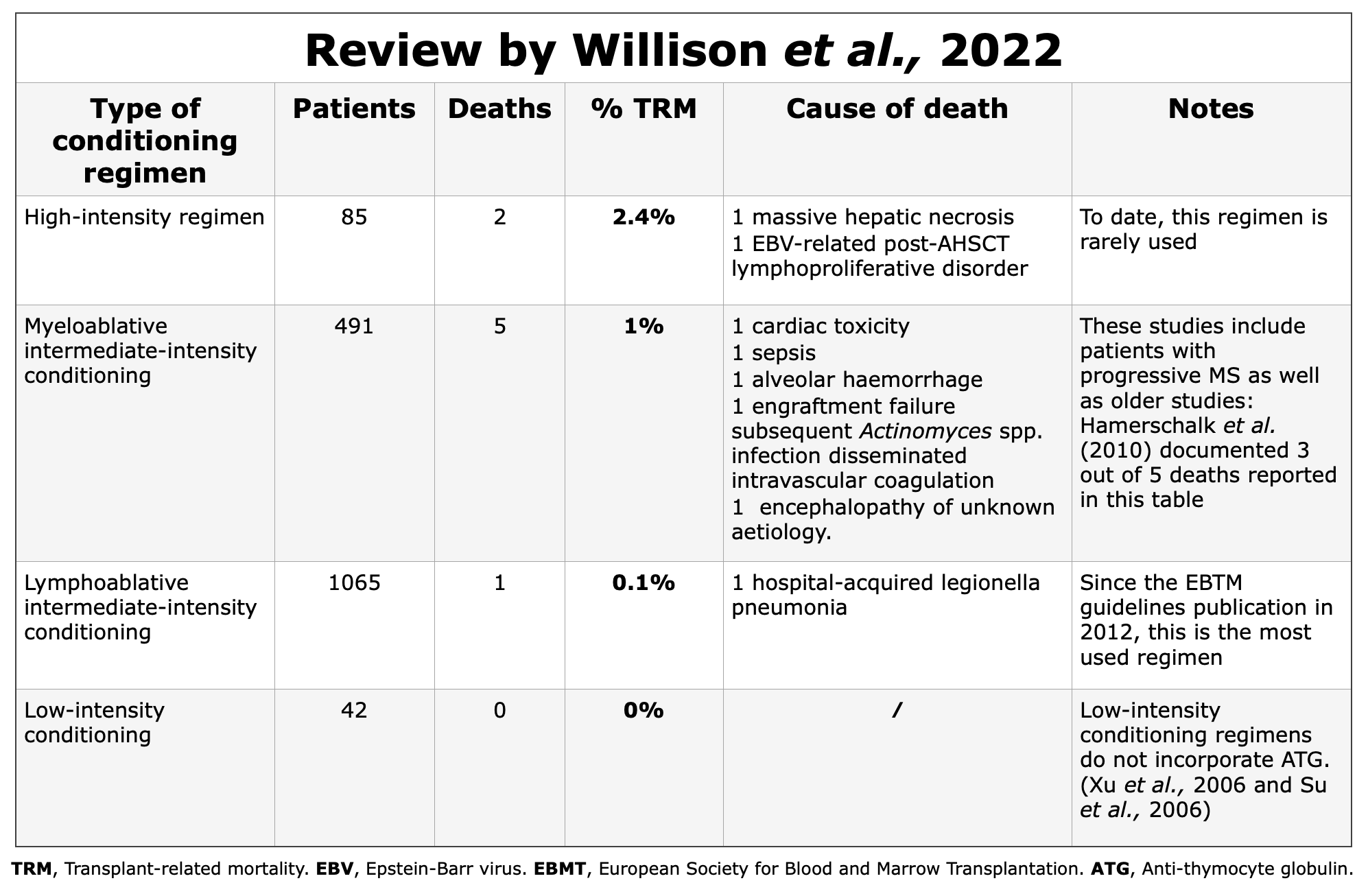 Figure created by curems.net based on data reported by Willison et al., 2022
Late Adverse Events
“Late effects following AHSCT may result from the transplant regimen and altered post-transplant immune reconstitution, but may also be driven by pre-treatment of the underlying neurological disease.” (Muraro et al., 2017) (Sharrack et al., 2020).
The most common late adverse events post-AHSCT are:
- Fungal infection
- Loss of fertility and amenorrhea
- Autoimmune diseases
- Secondary malignancies
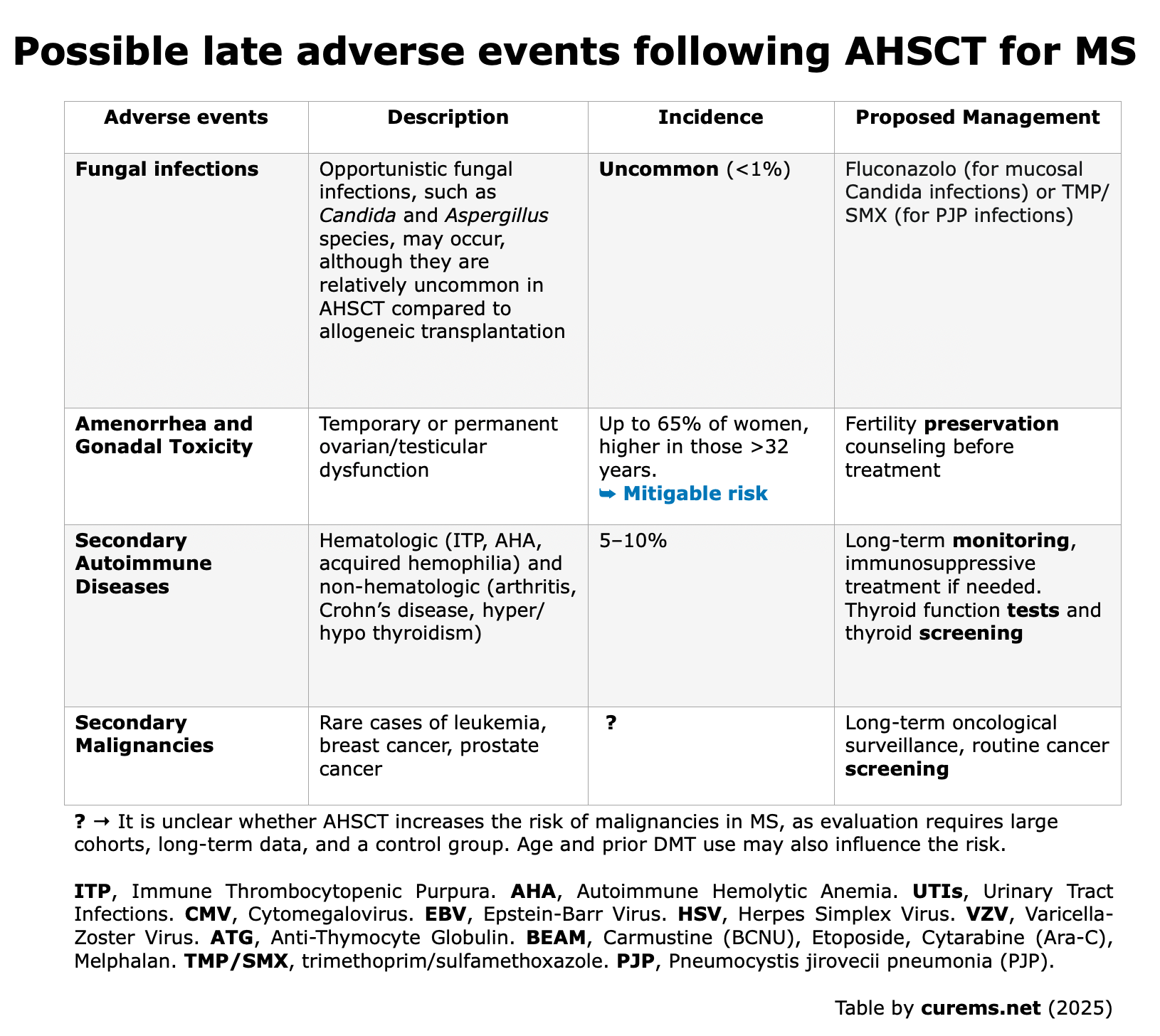
Data obtained from “Hematopoietic Stem Cell Transplantation for Neurologic Diseases“. Chapters 8-10. Handbook of Clinical Neurology (Elsevier, 2024). Edited by Professors M. Inglese and G.L. Mancardi
Fungal Infections
Fungal infection are uncommon (<1%) after AHSCT. According to Mikulska et al. (Hematopoietic Stem Cell Transplantation for Neurologic Diseases. Chapter 10. Handbook of Clinical Neurology. Elsevier), there’s a specific need to prevent PJP (Pneumocystis jirovecii pneumonia) due to its higher risk in immunocompromised patients. Other fungal infections, like oral (thrush) or esophageal Candida, are more frequent but less severe, while serious mold infections (e.g., invasive aspergillosis) are rare.
Fertility & Amenorrhea
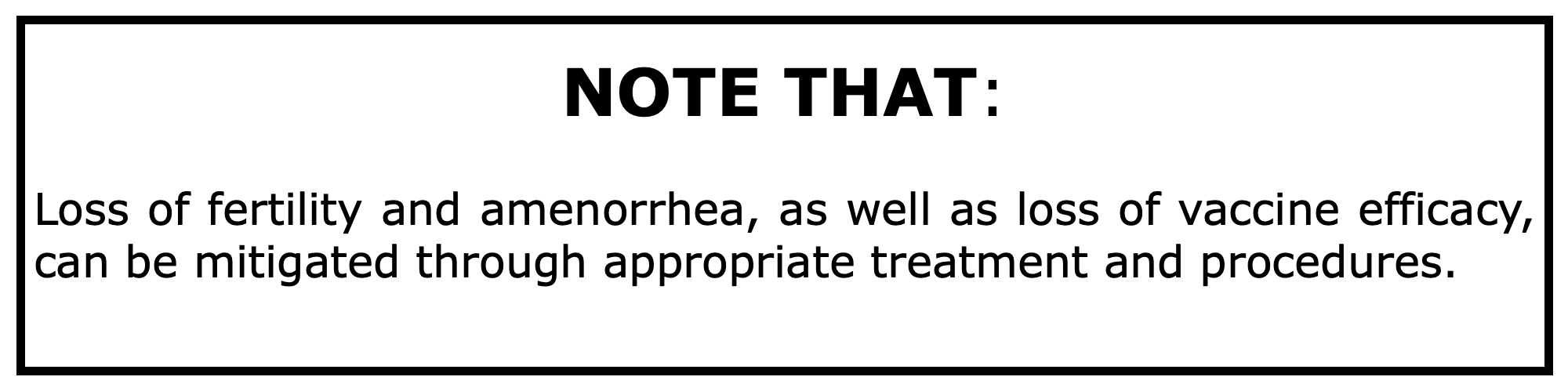
✅ What the studies show: Persistent amenorrhea occurs in 30–43% of women post-AHSCT, with most recovering cycles (avg. 6.8 months); older age and prior cyclophosphamide use predict persistence (Massarotti et al., 2021; Kvistad et al., 2019). Spontaneous pregnancies with healthy outcomes have been reported in both sexes, even after amenorrhea (Burman et al., 2014; Zafeiri et al., 2023). Male testosterone levels are usually preserved (Mariottini et al., 2021). Preservation options include sperm cryopreservation for men, and embryo/oocyte cryopreservation, GnRH agonists, or ovarian tissue cryopreservation for women (Salooja et al., 2024).
Read the full insights for more details:
In females post-AHSCT, the incidence of persistent amenorrhea varied from 30% in a group of 43 women treated with mixed conditioning regimens (BEAM-ATG or Cy-ATG) in Massarotti et al., 2021, to 43% in a group of 30 patients who underwent the Cy-ATG protocol (Kvistad et al., 2019).
Regarding the menstrual cycle resumption, in the study by Massarotti et al., 2021, 30 out of 43 patients, recovered menses after a mean time of 6.8 months; no differences were detected among different conditioning regimens’ intensity (BEAM-ATG or Cy-ATG), although the sample size was small (43 women).
In this study, older age at the moment of AHSCT and previous pulsed use of Cy were identified as predictors of persistent amenorrhea in the study.
Burman et al. (2014) during the follow-up period (with a mean follow-up time of 47 months), there were a total of 8 pregnancies among 4 women (from a cohort of 26 wMS included in this study). Of these pregnancies: 5 resulted in healthy infants (including one set of twins). There were also 2 spontaneous abortions and 1 ectopic pregnancy. Additionally, one legal abortion was performed. Moreover, 1 man fathered a healthy child through IVF with cryopreserved semen, and 1 woman gave birth to a healthy infant following IVF with cryopreserved eggs after an otherwise normal pregnancy.
In the study by Zafeiri et al. (38 patients aged 20-44 years), 7 patients out of 38 female patients became pregnant post-AHSCT: 6 spontaneously, 1 both spontaneously and with IVF. The study measured AMH levels as a “biomarker of fertility” reflecting the ovarian reserve in females.
Anti-Müllerian Hormone: A brief insight
Anti-Müllerian Hormone (AMH) is linked to the presence of growing follicles during the menstrual cycle. Recently, AMH has been increasingly utilized as a biomarker of fertility.
It is considered superior to FSH and E2 in assessing ovarian reserve due to its relative stability throughout the menstrual cycle. Initially, it was believed that AMH levels were unaffected by contraceptive methods or anovulation. However, various studies have questioned its stability. Consequently, the use of AMH as a fertility biomarker should be contextualized within the patient’s overall medical history. (Cedars MI, 2022)
This the main reason why AMH is an excellent predictor of quantity and not quality, and thus does not predict pregnancy success (Granger et al., 2019).
Nevertheless, age still continues to be the best indicator of pregnancy success (i.e., the chance to conceive decreases with age in both females and males).
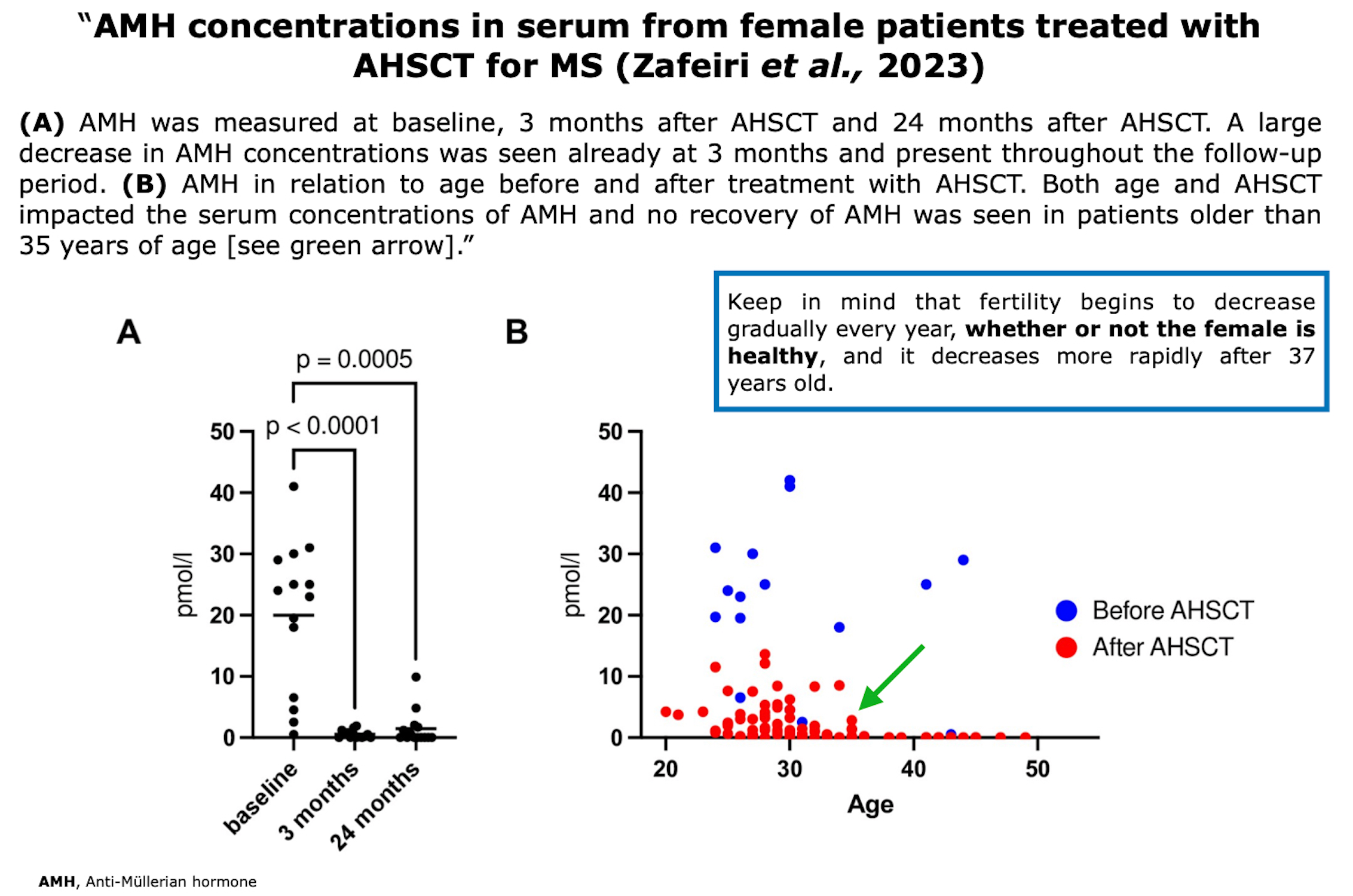
Figure from Zafeiri et al. ”Anti-Müllerian hormone and pregnancy after autologous hematopoietic stem cell transplantation for multiple sclerosis”. PLoS ONE (2023)
Fertility preservation in males
Limited data are available on male infertility (Tichelli et al., 2014). AHSCT could represent a risk, depending on patient characteristics and the conditioning regimen used.
“Sperm cryopreservation is an established fertility preservation option for post-pubertal boys and men. Sperm can be used either for artificial insemination or, if the quantity and/or quality of sperm are insufficient, for intracytoplasmic sperm injections for in vitro fertilization.” (Salooja et al., 2024 – EBMT handbook).
In the study Mariottini et al. (2021) 29 patients (6 males and 23 females) were monitored before undergoing AHSCT (27 with BEAM/ATG and 2 females received a reduced regimen). 17 out of 29 had received chemotherapy-based immunosuppression.
All 6 male patients received BEAM+ATG regimen. “In males post-AHSCT testosterone levels were within normal range in 5 out 6 available cases. Testosterone levels at follow-up were not reduced compared to baseline in 2/3 (67%) cases who had the baseline assessment.”
Fertility preservation in females
AHSCT can deeply impact fertility. According to Salooja et al., 2024 – EBMT handbook, the most common techniques for fertility preservation in females before undergoing AHSCT are:
- Embryo and Oocyte Cryopreservation: Carbone et al., 2023
- Gonadotropin-Releasing Hormone Agonists (GnRHa): Several reports focus on the increasing risk of relapses with GnRHa; however, a recent review that included 225 women undergoing a total of 338 IVF procedures showed that there are no risks of relapses if DMTs are maintained until IVF (Mainguy et al., 2022).
- Ovarian Tissue Cryopreservation (OTC): Colmorn et al., 2023
Here an extended review on fertility preservation from an expert panel: “Assisted Reproductive Techniques in Multiple Sclerosis: Recommendations from an Expert Panel” (Oreja-Guevara et al., 2023).
Secondary AIDs
According to Johns Hopkins Medicine “Autoimmune disease [AIDs] happens when the body’s natural defense system can’t tell the difference between your own cells and foreign cells, causing the body to mistakenly attack normal cells. There are more than 80 types of autoimmune diseases that affect a wide range of body parts”. Autoimmune diseases have a high prevalence: here is a lay version about the incidence of AIDs worldwide from Scientific American (2021).
Secondary autoimmune diseases (AIDs), it is meant the risk of developing another AIDs as a consequence of the AHSCT (i.e. where the first AIDs is MS). Modifications resulting from the induced immunologic resetting after AHSCT, alongside a persistent genetic background, may potentially trigger secondary AIDs.
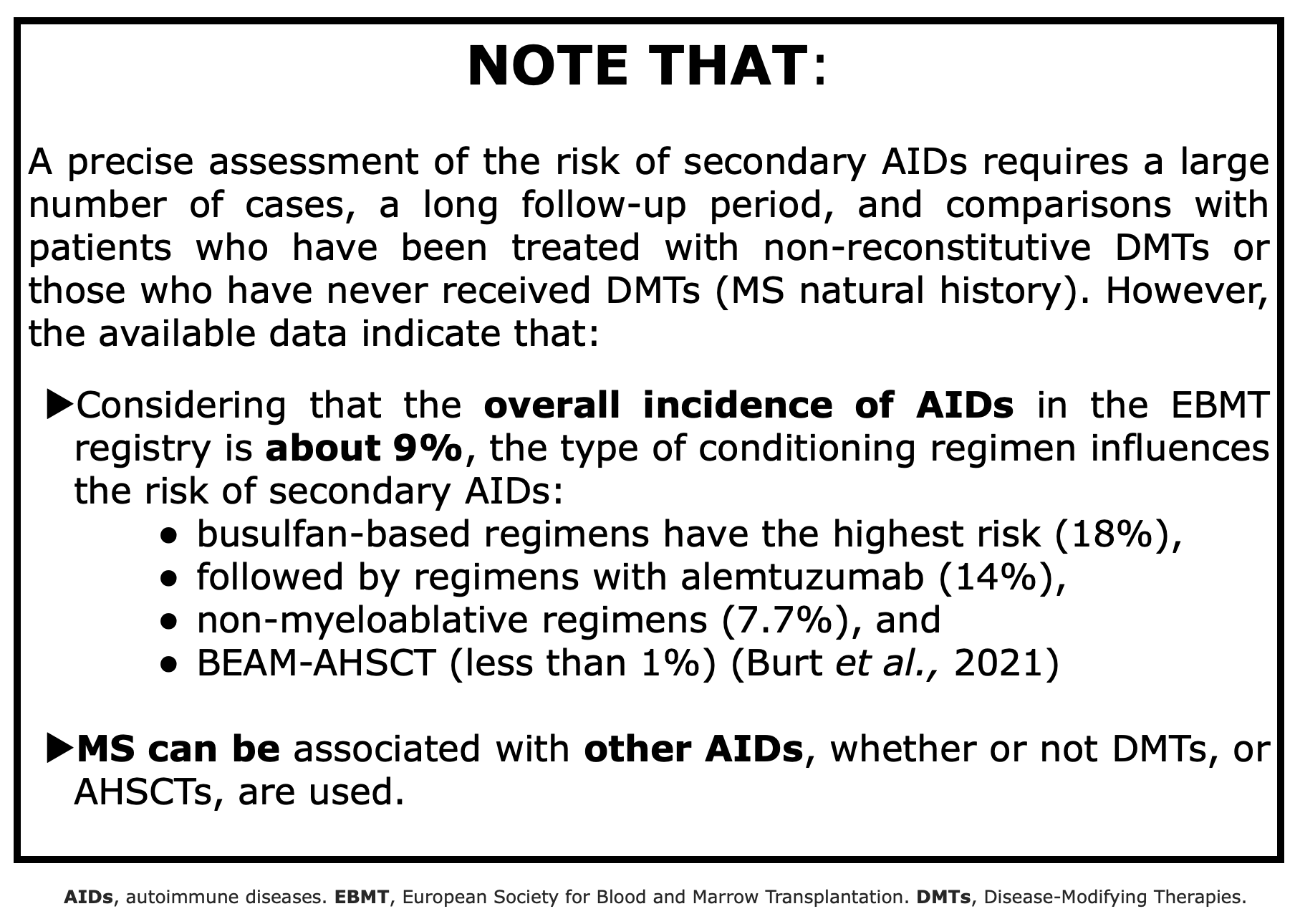
Table created using data from Burt et al., 2021
As stated by Currò et al. (2016) “several mechanisms have been proposed to justify the occurrence of these adverse events, such as:
- the loss of peripheral tolerance after conditioning regimen,
- the proliferation of autoreactive cells by homeostatic expansion, and
- the failure of negative selection during de novo thymic ontogenesis of T lymphocytes.”
The conditioning regimen also matters: cyclophosphamide + alemtuzumab is associated with a higher rate of secondary AIDs (22.7%) compared to cyclophosphamide + ATG (6.9%) (Burt 2015). When AHSCT is compared directly with alemtuzumab, thyroid disease is more frequent with alemtuzumab (32 vs. 14 events in 271 patients) and adverse events beyond day 100 are consistently more common in alemtuzumab-treated patients (Alping 2021; Zhukovsky 2021). In most cases, secondary AIDs are manageable and some resolve spontaneously without treatment.
Secondary Malignancies
See full insights:
🔹 Post-Transplant Lymphoproliferative Disorder and AHSCT
🔹 Generally, in pwMS who have not been treated with a transplant (i.e., AHSCT), what is the risk of developing cancer?
✅ What the studies show: Across eight studies totalling over 1,000 patients with follow-up ranging from 4 to 11 years, no specific cancer type has been consistently attributed to AHSCT in MS. Myelodysplastic syndrome is the most recurrently reported malignancy, but the cases documented (Muraro 2017; Mariottini 2020; Samijn 2006) occurred predominantly in patients who received high-intensity conditioning including total body irradiation — a protocol no longer in use. In the two largest and most recent cohorts (Burt 2022, 507 patients; Alping 2021, 271 patients), no increased cancer risk attributable to AHSCT was detected, and cancer rates were comparable to or lower than those in alemtuzumab-treated patients. The only PTLD-related fatality on record involved high-intensity conditioning (Nash 2003). Overall, the data are reassuring, though long-term monitoring remains essential given the limited follow-up available in most cohorts.
Read the full insights for more details:
Other Key Considerations
- Hospitalization and Recovery: The procedure requires a lengthy hospital stay and a prolonged period of recovery.
- Psychological Impact: The stress and psychological burden associated with such an intense treatment can be significant in some patients.
- The selection of patients is very important: AHSCT failure and a continuous worsening of disability can have a significant psychological impact. Therefore, patients must be carefully selected and psychologically prepared.
Read here “AHSCT: Patients’ Stories” for more details on this topic.