INDEX:
On this page, for easy interpretation, all concepts explained in “lay” language are highlighted in green boxes. However, if you want more information, or if you are an HCP, you’ll find some “technical deep dives” or expandable sections (in light blue) with more insights on that particular topic.
Overview
Initially designed for treating hematological cancers, over the past 50 years, this technique has been widely utilized to treat aggressive hematological cancers, including leukemia and lymphoma (Appelbaum FR, 2017). This procedure has been modified for use in severe immune-mediated disorders such as MS (Fassas et al., 1997) (Burt et al., 2015) (Muraro et al., 2017) (Burt et al., 2021).
AHSCT is a stem cell therapy that uses the patient’s own cells to replace those in the immune system that mistakenly attacks the CNS. Chemotherapy is employed to reset the immune system by destroying certain types of cells, followed by reinfusion of the stem cells to help rebuild a healthier immune response.
AHSCT is a validated, one-off treatment and a multistep procedure that requires a coordinated, multidisciplinary team.
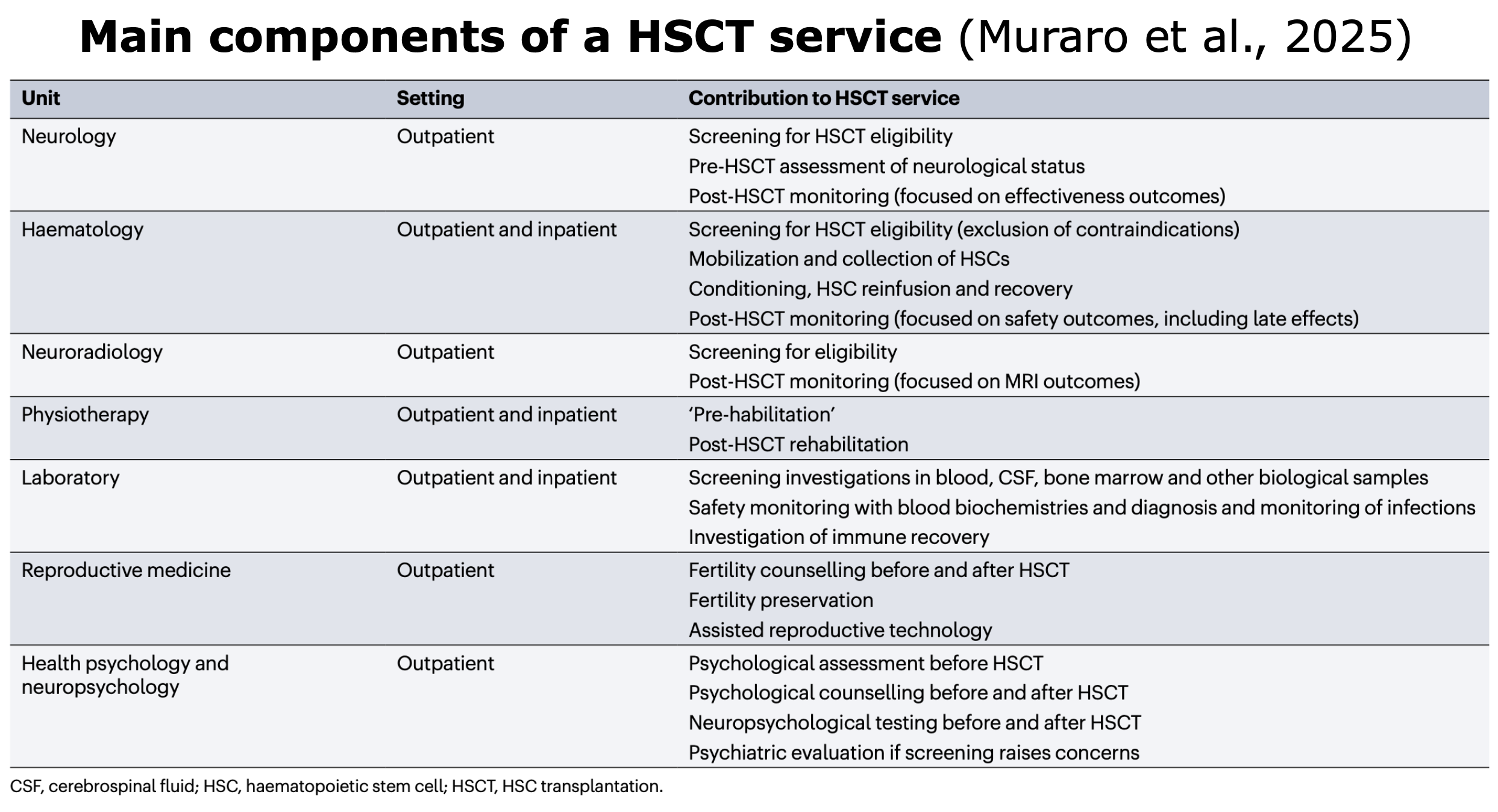
Table from Muraro et al. “Autologous haematopoietic stem cell transplantation for treatment of multiple sclerosis and neuromyelitis optica spectrum disorder — recommendations from ECTRIMS and the EBMT“. Nature Rev Neurol (2025).
The entire procedure consists of three main phases: pre-AHSCT, AHSCT and post-AHSCT (i.e., prophylaxis and vaccinations):

Figure modified from Jessop et al. ”General information for patients and carers considering haematopoietic stem cell transplantation (HSCT) for severe autoimmune diseases (ADs): A position statement from the EBMT Autoimmune Diseases Working Party (ADWP), the EBMT Nurses Group, the EBMT Patient, Family and Donor Committee and the Joint Accreditation Committee of ISCT and EBMT (JACIE)” Bone Marrow Transplantation (2018).
Explore AHSCT in this brief video: learn how the procedure works and how it resets the immune system.
📌 For the full version of this video, click here.
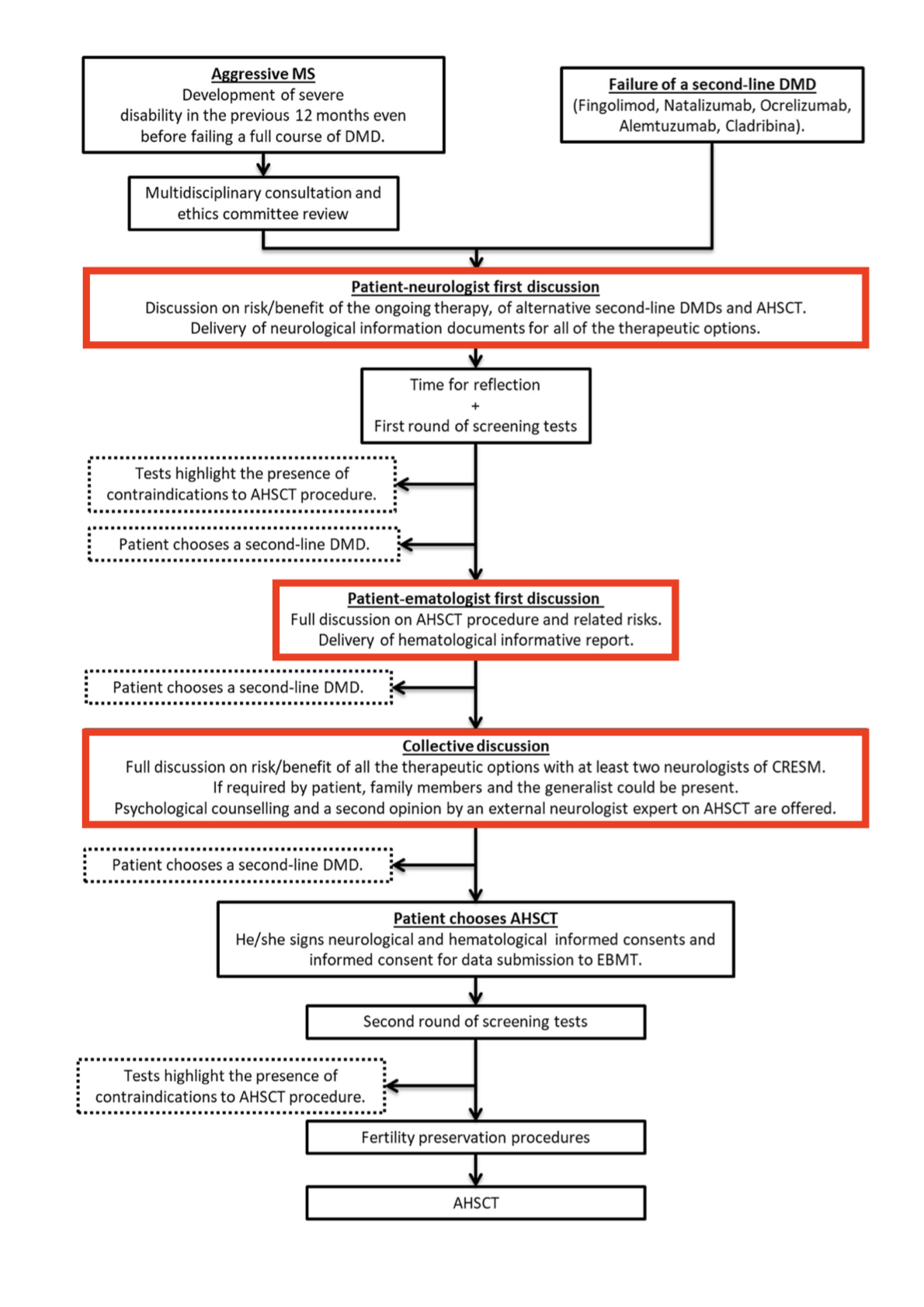 Figure from
 AHSCT
Mobilization
In the weeks or months leading up to the transplant, the patient undergoes a stem cell mobilization procedure to collect stem cells that will be used in the later transplantation process (Das et al., 2019, Roberts et al., 2020).
HSCs (hematopoietic stem cells) reside in the bone marrow. HSCs mobilization refers to the process of stimulating the release of stem cells from the bone marrow into the bloodstream, typically through the administration of granulocyte colony-stimulating factor (GSF), either alone or with cytotoxic chemotherapy, such as Cy (Muraro et al., 2017).
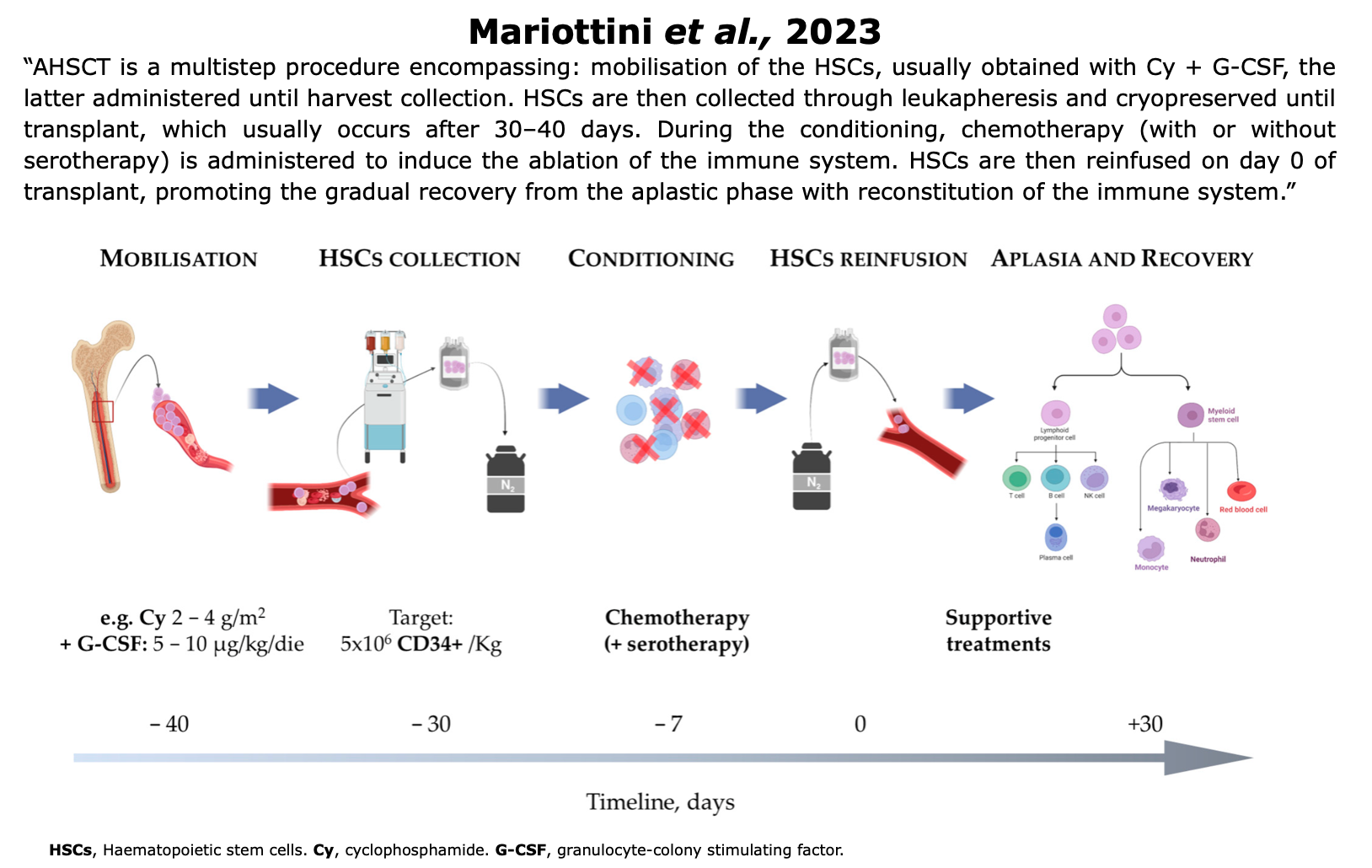
Figure from Mariottini et al. “Hematopoietic Stem Cell Transplantation for the Treatment of Autoimmune. Neurological Diseases: An Update“. Bioengineering (2023)
Harvest & Cryopreservation
Hematopoietic stem cells (HSCs) are now collected from peripheral blood through leukapheresis, a procedure that separates white blood cells from the bloodstream. In some cases, the graft is purified using CD34 immunomagnetic selection to remove mature immune cells.
After collection, HSCs are cryopreserved until transplantation. The recommended storage amount is 3–8 × 10⁶ CD34⁺ cells/kg, with an additional 2.5 × 10⁶ CD34⁺ cells/kg as a backup. A minimum of 3 × 10⁶ CD34⁺ cells/kg is required for reinfusion (Bayas et al., 2023).
Conditioning Regimen
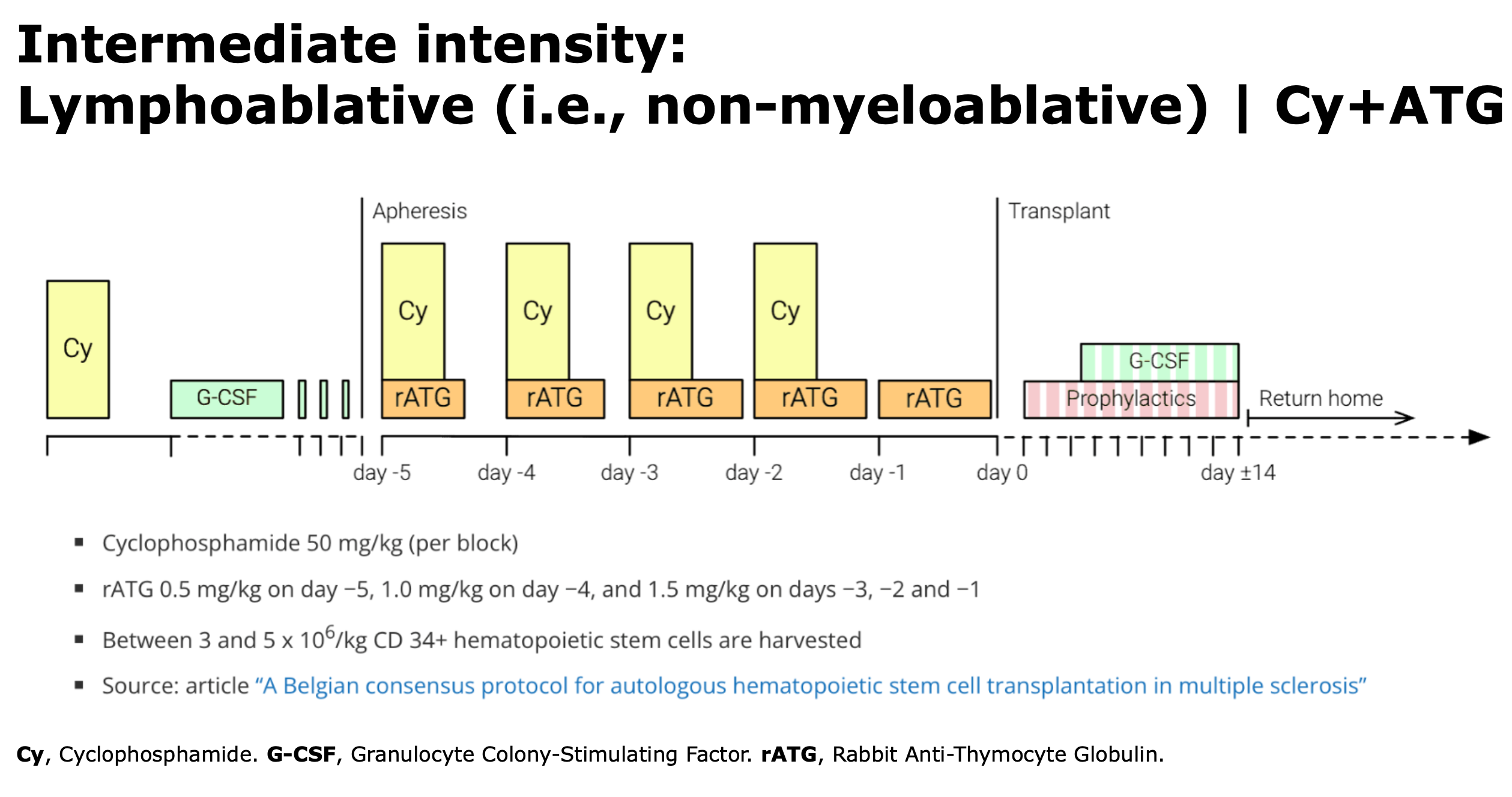
According to the EBMT guidelines, the conditioning regimens for AHSCT in MS are classified as high, intermediate and low conditioning regimens. However, due to the unacceptable morbidity, high TRM (Transplant-Related Mortality), and short- and long-term toxicity associated with high-intensity protocols, they are no longer recommended for AIDs (Autoimmune Diseases).
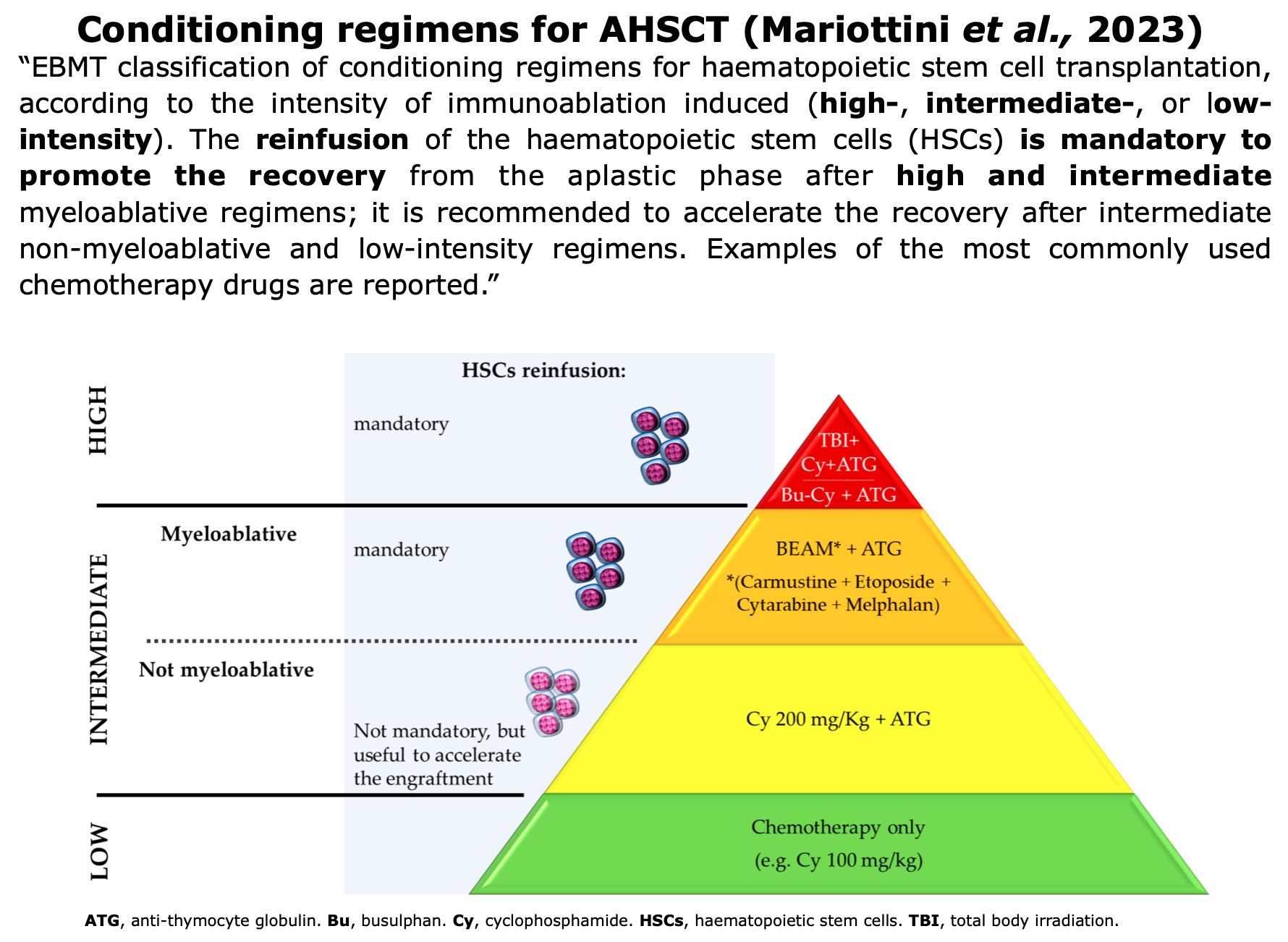
Figure from Mariottini et al. ” Hematopoietic Stem Cell Transplantation for the Treatment of Autoimmune Neurological Diseases: An Update”. Bioengineering (2023)
Read the full insights for more details:


Reinfusion
“Immediately after completion of the conditioning regimen, patients develop pancytopaenia and a transient bone marrow aplasia, and intravenous infusion of the stored HSCs (transplantation) is required to enable bone marrow repopulation, recovery of haematopoiesis, and immune reconstitution.” (Muraro et al., 2017).
This phase is considered as day “0” of the transplant. The patient’s own HSCs are reinfused, initiating the gradual recovery from the aplastic phase and promoting the reconstitution of the immune system.
Post-AHSCT
Read the full insights for more details:
“After reinfusion, patients remain in hospital until engraftment is confirmed according to site guidelines.” (Bayas et al., 2023).
This is the period with the highest risk of infections. Read more on infections here or about transplant-related mortality here.
If required, transfusions should be administered. “All blood products for administration in the first year after transplantation must be irradiated. CMV-negative patients should be transfused only with CMV-negative blood products or with an appropriately adapted system” (Bayas et al., 2023).
All patients should remain under the direct routine care of the transplant programme specialist for at least 100 days post-transplant, or longer if needed, until clinically stable.
“After discharge, all AHSCT patients are monitored weekly as outpatients for up to 1 month after transplantation. All patients are monitored weekly for CMV and EBV by PCR in peripheral blood until day 30 and at every visit thereafter”. (Bayas et al., 2023)
Prophylaxis is performed for herpes simplex virus reactivation and against Pneumocystis jirovecii infections.
Other infection prophylaxis is given according to local protocols and in case of persistent neutropenia.
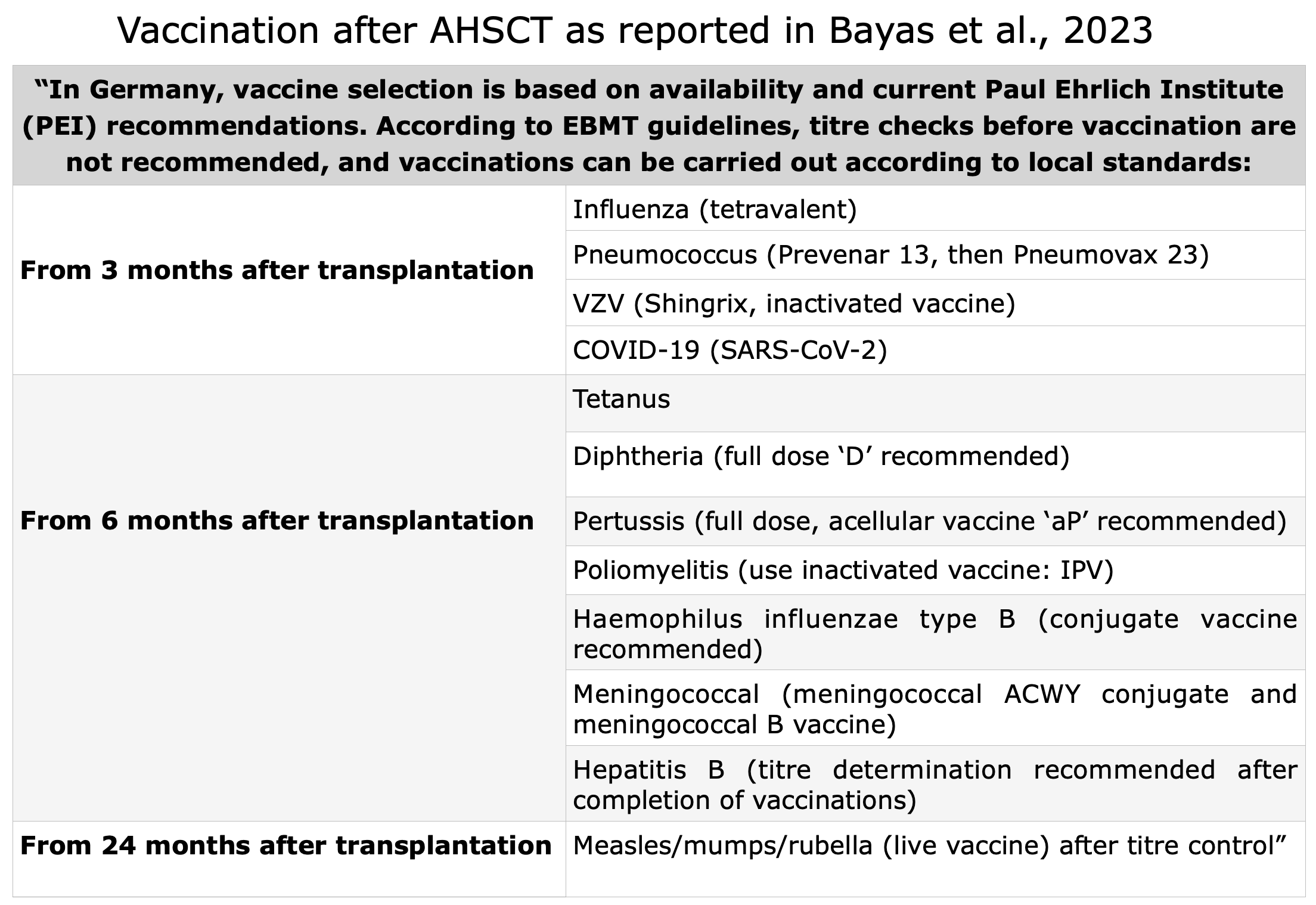
“Post-transplant vaccinations should be given according to the recommendations of the transplant societies with individual risk assessment in the MS context.” Bayas et al., 2023.
Post-transplant vaccinations should be started 3 months after transplant with inactivated vaccines and 24 months after transplant with live attenuated vaccines, according to guidelines.
According to EBMT guidelines, titre checks before vaccination are not recommended, and vaccinations can be carried out according to local standards.
The following a detailed table of vaccination by (Bayas et al., 2023):
Long-Term Monitoring
Typically, three months after the transplant, the patient undergoes an initial MRI, followed by subsequent MRI every six months.
From the second year onward, the frequency is reduced to once per year, accompanied by both neurological and hematological evaluations. Specific blood tests are not required at this stage.
In the event of suspected relapse, a neurological evaluation is mandatory.
AHSCT Centers & Costs

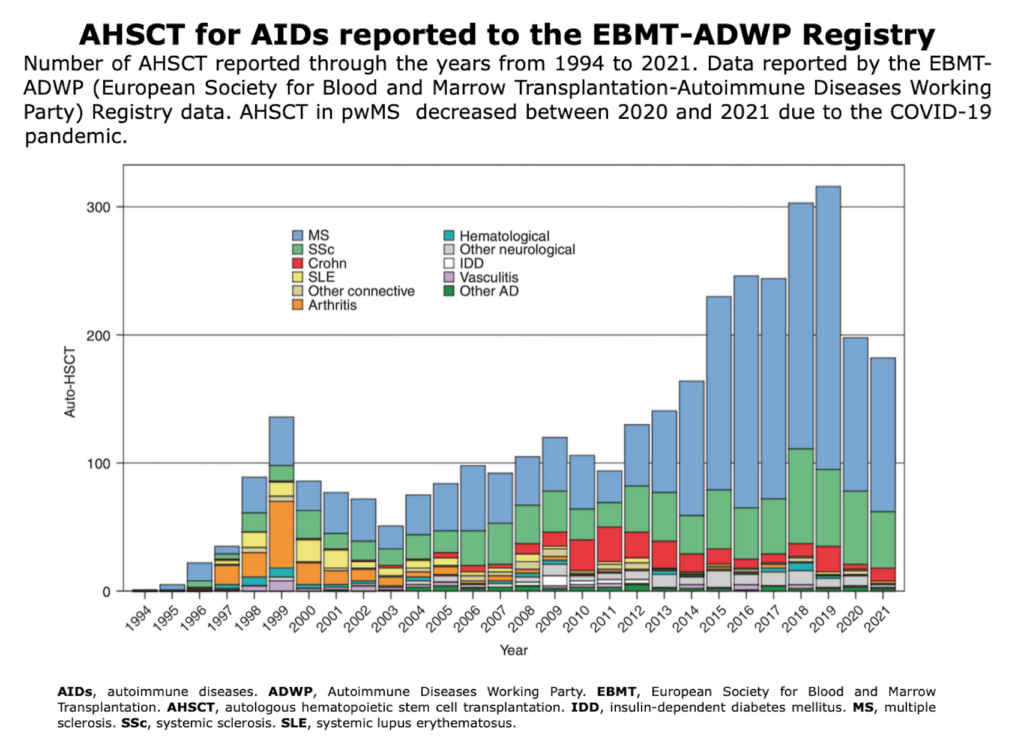
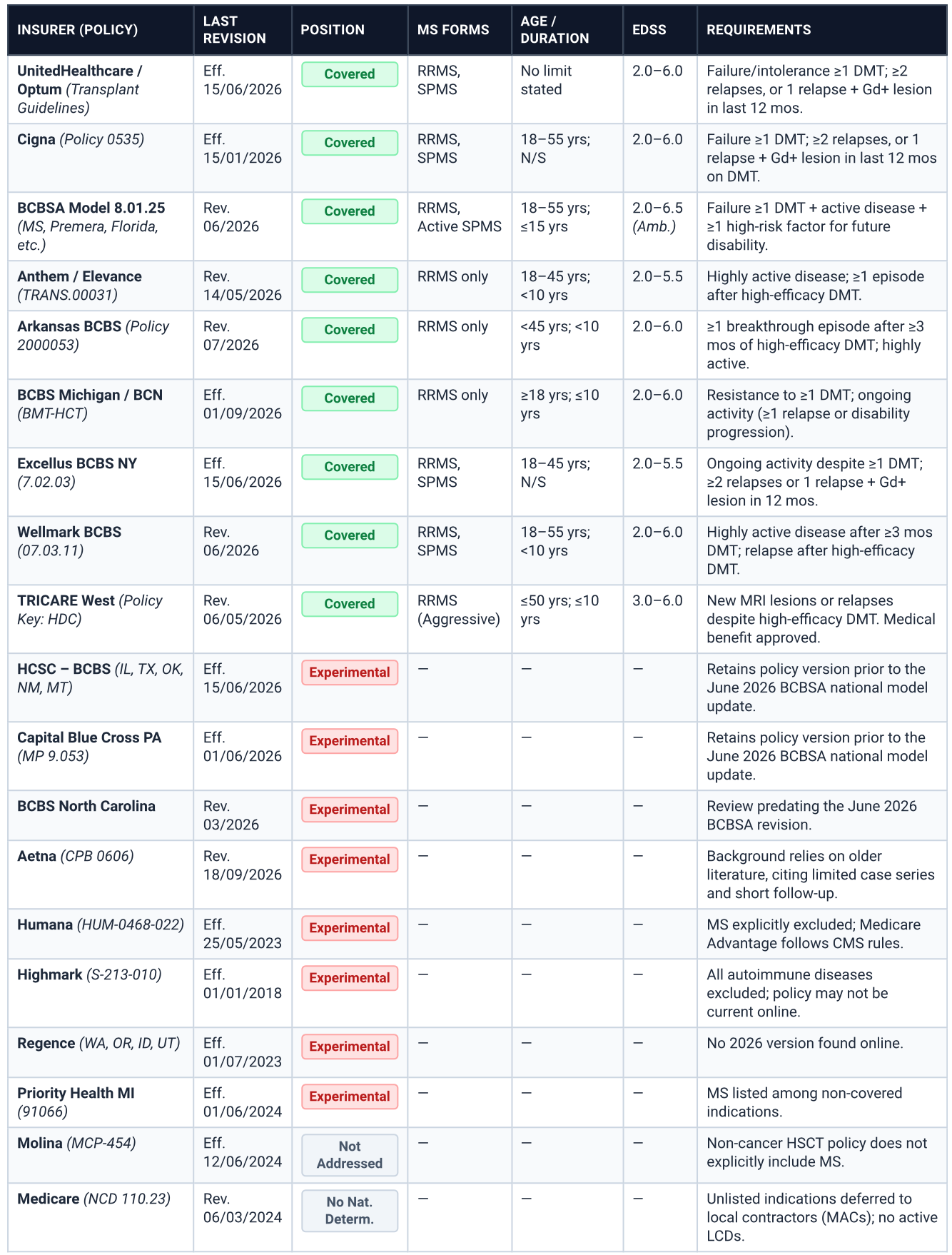
🔹Availability and reimbursement of AHSCT worldwide (list in progress)
🔹Some Neurological and Hematological Centers that performed AHSCT in MS
The following is a list of centres worldwide that, to the best of our knowledge, perform AHSCT in MS (the list is not exhaustive and is continuously updated).
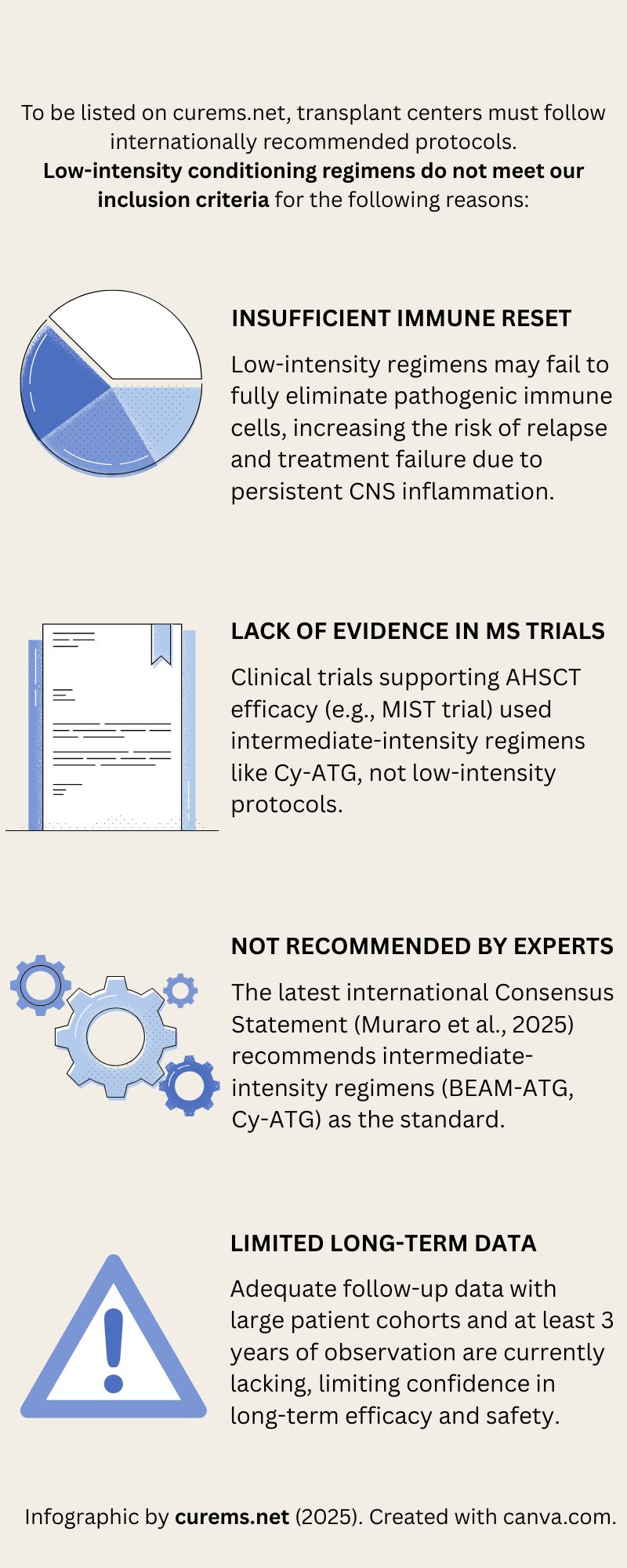
A center to be included in the list must satisfy the following criteria:
- Certification: by the European EBMT-JACIE, or equivalent international accreditation, such as the Joint Commission International (USA).
- Conditioning regimen: use intermediate-intensity regimens such as CY-ATG (non-myeloablative, also called lymphoablative) or BEAM-ATG (myeloablative), as reported in the consensus statement (Muraro et al., 2025).
✅ Useful link: ongoing AHSCT trials here.
AHSCT: Patients' Stories
Below first-hand accounts of pwMS who have undergone AHSCT, as documented in the scientific literature:
Other Patients' Experiences
Below are presented personal accounts through video narratives collected online:
For an immersive insight into patient’s journeys, we highly recommend reading “Everyday Miracles: Curing Multiple Sclerosis, Scleroderma, and Autoimmune Diseases by Hematopoietic Stem Cell Transplant” by Prof. R.K. Burt describes AHSCT patient’s journeys, following some testimonials of MS.