
INDEX:
A Hope For The Future
When asked “Is there a cure for MS?“, AI tools (Gemini, ChatGPT or Claude) and the world’s leading research centers and patient associations consistently give the same answer: no. (June 2026)
Yet some patients with a confirmed MS diagnosis live in a clinical condition that closely resembles a “cure”. Following AHSCT — an immune reconstitution therapy — they have remained in NEDA-3 (No Evidence of Disease Activity) for years, in some cases for over two decades: no relapses, no new MRI activity, no disability progression, and no disease-modifying therapy (Havrdova et al., 2009). Patients who are treatment-free and NEDA-3 for at least 15 years may be defined as “cured” under a working definition — a context-specific operational framework (Banwell et al., 2013).
AHSCT has the potential to eliminate the immunological mechanism driving CNS lesion formation and to renew the immune system, reducing its pathological activity against the central nervous system.
Important: AHSCT does not reverse established disability or long-standing neurological deficits. For a detailed discussion, see the AHSCT as a cure section.
AHSCT in Numbers
Over 4,000 patients with MS are estimated to have undergone AHSCT worldwide — a figure derived from retrospective studies, meta-analyses, and systematic reviews (Bayas et al., 2023 | Zhang and Liu, 2020 | Patti et al., 2022 | Willison et al., 2022 | Nabizadeh et al., 2022).
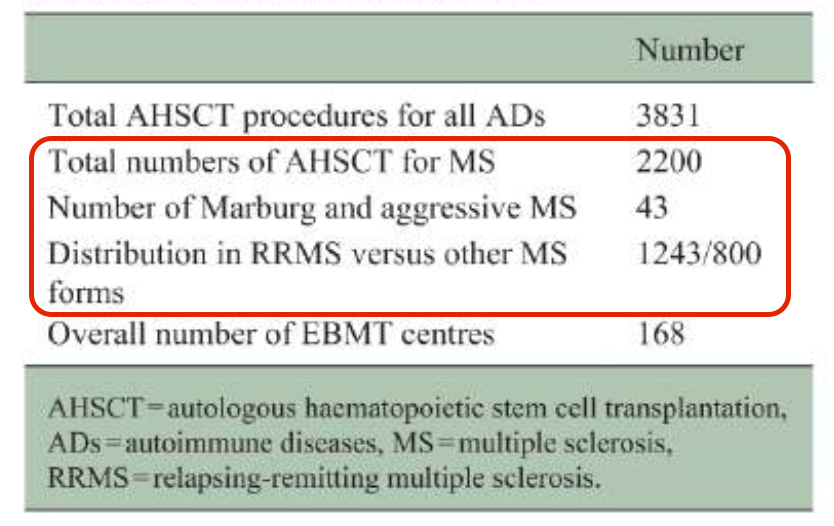
Since the first reported cases by Fassas et al. (1997), the EBMT registry — the largest international database on hematopoietic stem cell transplantation in autoimmune diseases — has recorded data on over 2,000 people with MS as of March 2023 (Alexander et al., 2024).
It should be noted that the EBMT registry only includes centers holding JACIE accreditation; data from non-accredited private clinics are not captured, meaning the actual number of patients treated globally may be considerably higher.
✅ Related links: EBMT Handbook (2024) | JACIE Certified Centers

Alexander et al., 2024 (EBMT Handbook 2024)
Tables from EBMT handbook 2024: Overview of data reported to the EBMT database (March 2023)
Boffa et al., 2025 (MSJ)
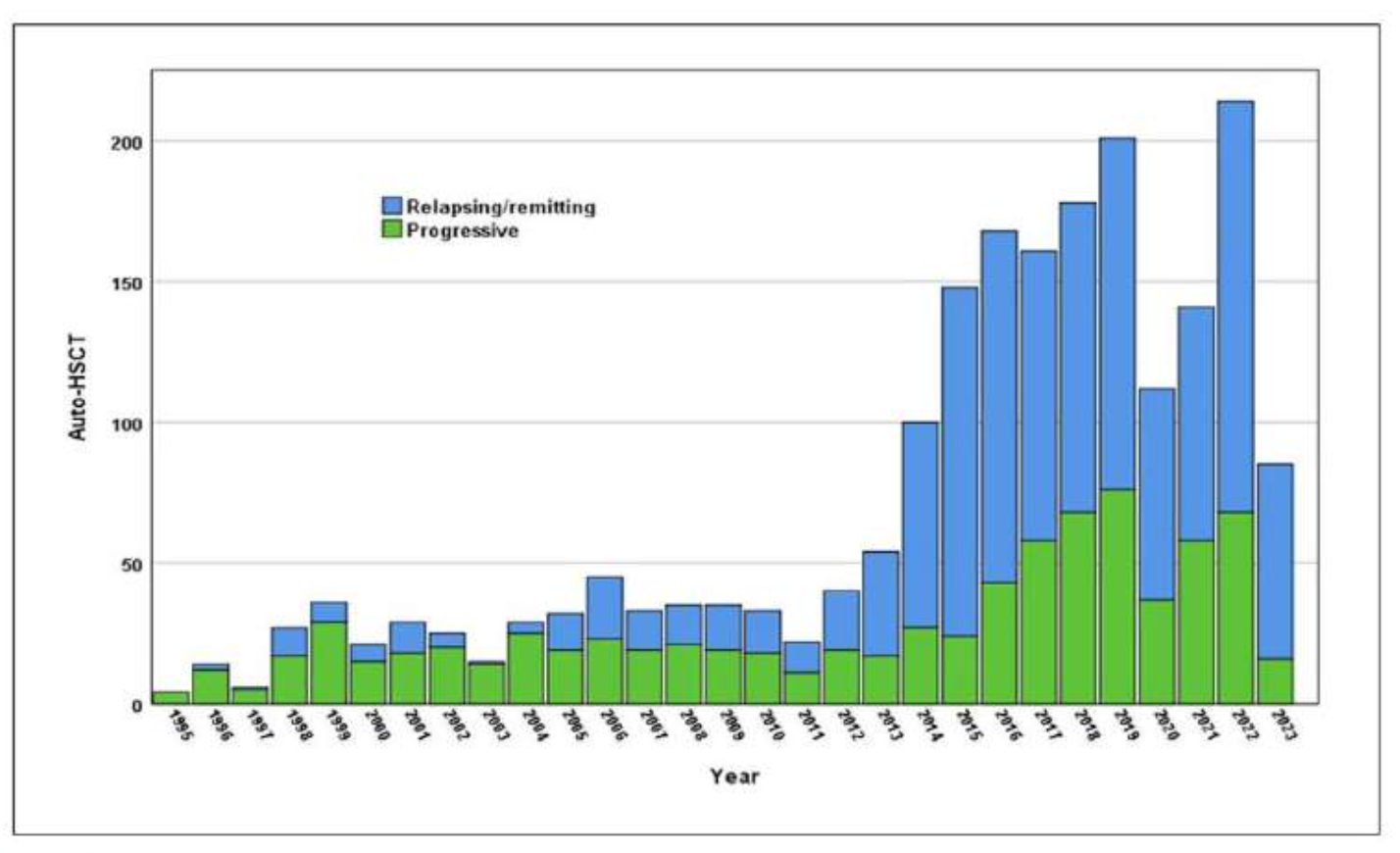
An updated report by Boffa et al. (2025) on the number of adult patients treated with AHSCT for autoimmune diseases (ADs), including MS, based on data from the EBMT registry.
Boffa et al., 2025 (MSJ)
AHSCT distribution in MS (RRMS versus other MS forms), per year (1995-2023): EBMT-ADWP registry data.
Why Cure?
Why the term “cure” is written in quotation marks on this website?
We use quotation marks with the term “Cure” or patients “cured”, to emphasize that it refers to a working definition that may prove wholly or partially incorrect in the future. Moreover, the quotation marks also serve as a signal of caution and realism, to avoid illusions and unrealistic hopes.
The road to curing MS is long, winding, challenging, and full of disappointments and risks, but it is navigable: we must make every effort and encourage research in that direction.
It should be emphasized that a person who is “cured” of MS still has the risk of their MS reappearing, just as being “cured” of cancer does not exclude the risk of cancer recurrence.
Word Cure Enters MS World
Discussing a “cure” for MS requires caution — and neurologists have traditionally avoided the term in clinical practice. Yet it is increasingly appearing in the scientific arena.
In 2020, Lycke and Axelsson asked “Can multiple sclerosis be cured?“, to which Giovannoni et al. responded affirmatively — provided the term is defined precisely and its caveats clearly communicated to patients (Giovannoni et al., 2020).
Recent scientific conferences reflect this shift. The AISM annual congress was titled “Our Pathways to Cure” (2023) and “A Data-driven Future to Cure MS and Related Disorders” (2025). At ECTRIMS 2023 in Milan, Stephen Hauser (UCSF) — one of the world’s leading MS experts — titled his keynote “MS: Path to a Cure”. As early as 2021, Prof. Hauser had already introduced this concept in his paper, “Curing Multiple Sclerosis: How to Know When We’re There?”
At a regional MS conference in Cuneo in February 2023, Dr. Bertolotto delivered a lecture titled “Slowing, freezing, curing Multiple Sclerosis” — notably marking his first use of the word “curing” in an Italian MS conference presentation.
- In May 2025, the annual scientific conference of the Italian Multiple Sclerosis Association (AISM) was titled “A Data-driven Future to Cure MS and Related Disorders“.
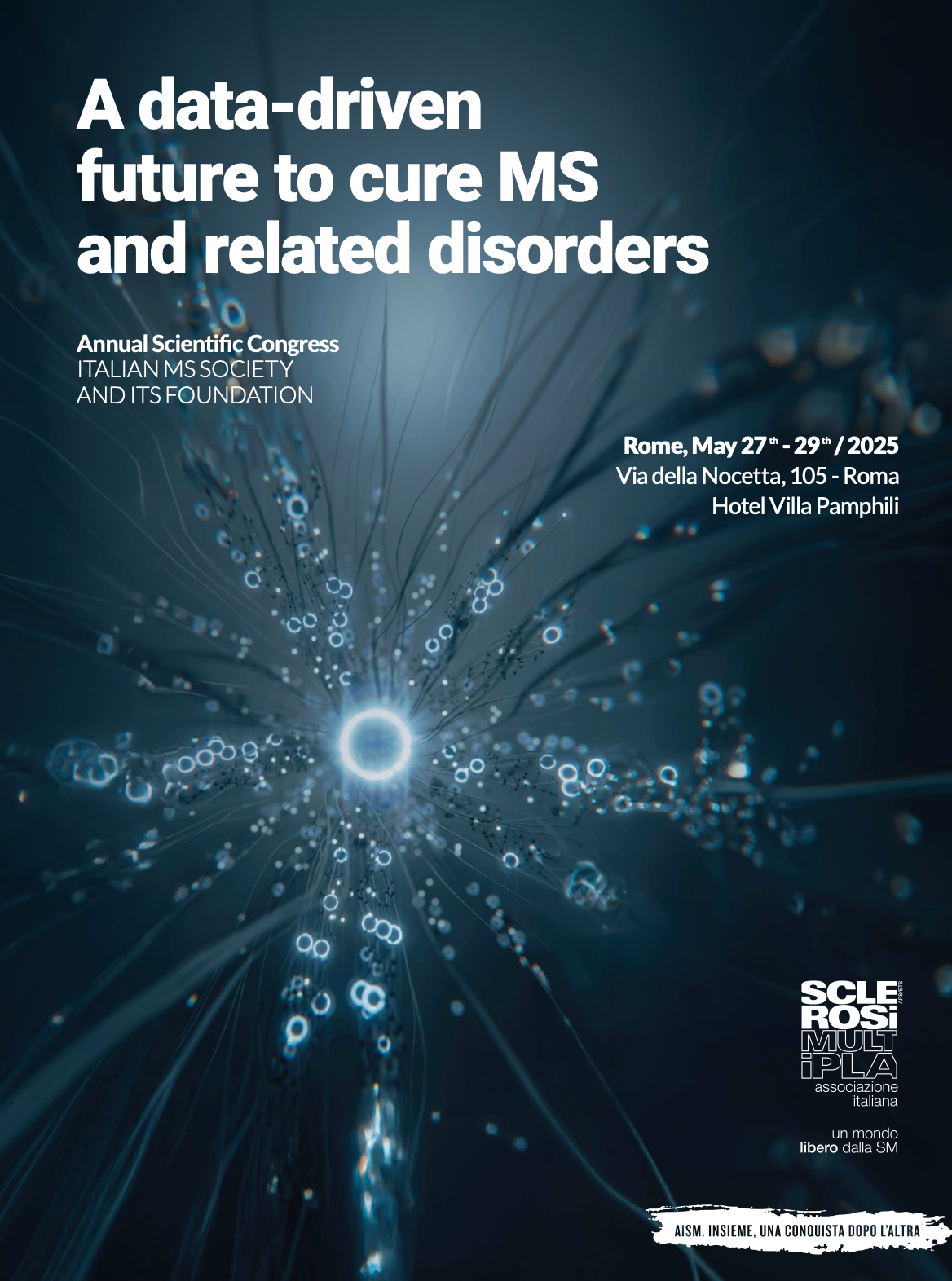
Annual Scientific Congress organized by Italian MS Society and Its Foundation, titled “A Data-driven Future to Cure MS and Related Disorders” held in Rome, May 27th-29th 2025.
- In May 2023, the annual scientific conference of the Italian Multiple Sclerosis Association (AISM) was titled “Our Pathways to Cure“.
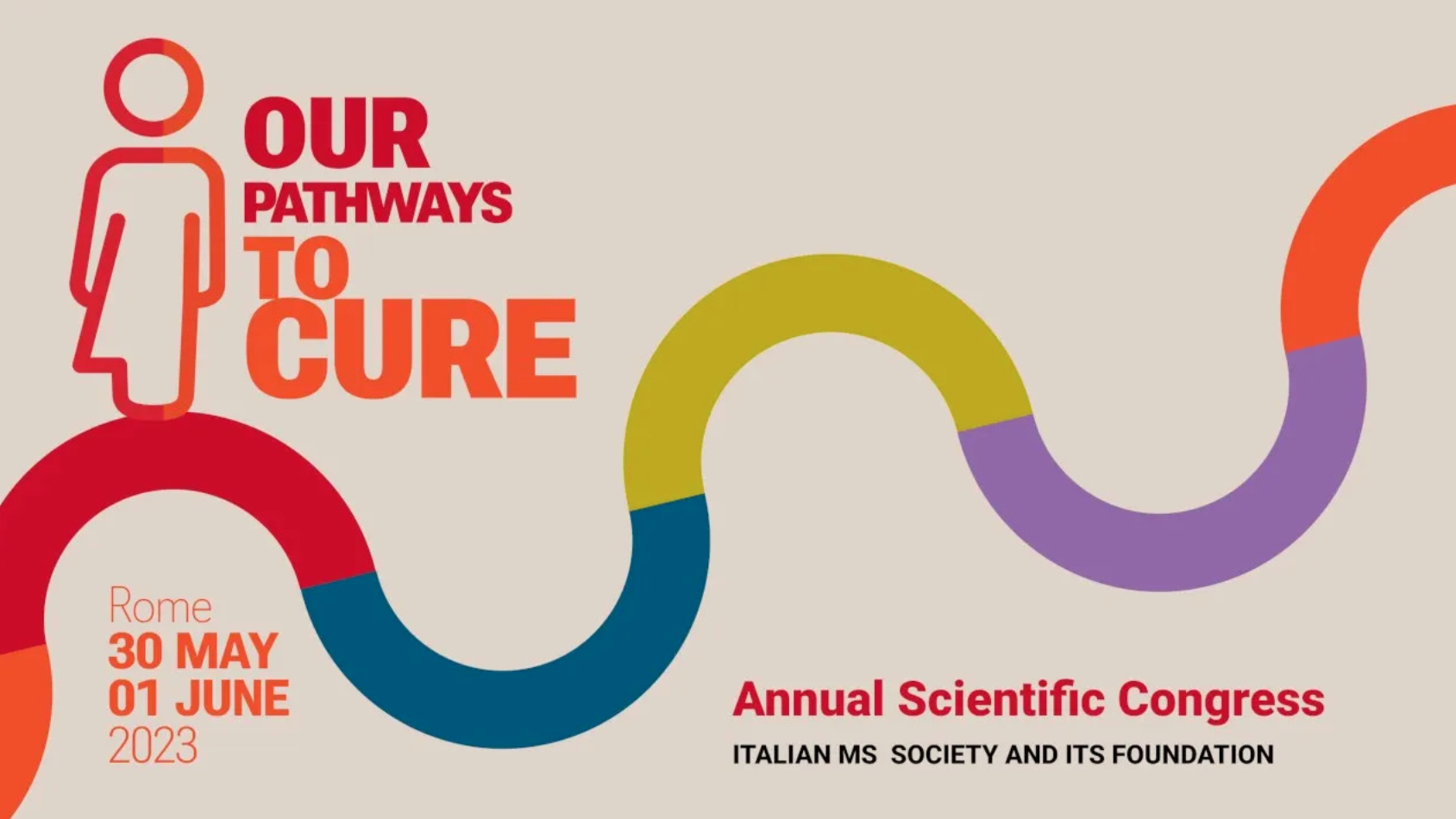
Annual Scientific Congress organized by Italian MS Society and Its Foundation, titled “Our Pathways to Cure” held in Rome 30 May-01 June 2025.
- The main scientific presentation at the global MS conference in Milan in October 2023, ECTRIMS 2023, delivered by Stephen Hauser (Robert A. Fishman Distinguished Professor of Neurology at the University of California, San Francisco UCSF), one of the most renowned global experts on MS, titled his presentation “MS: Pathway to a Cure”.
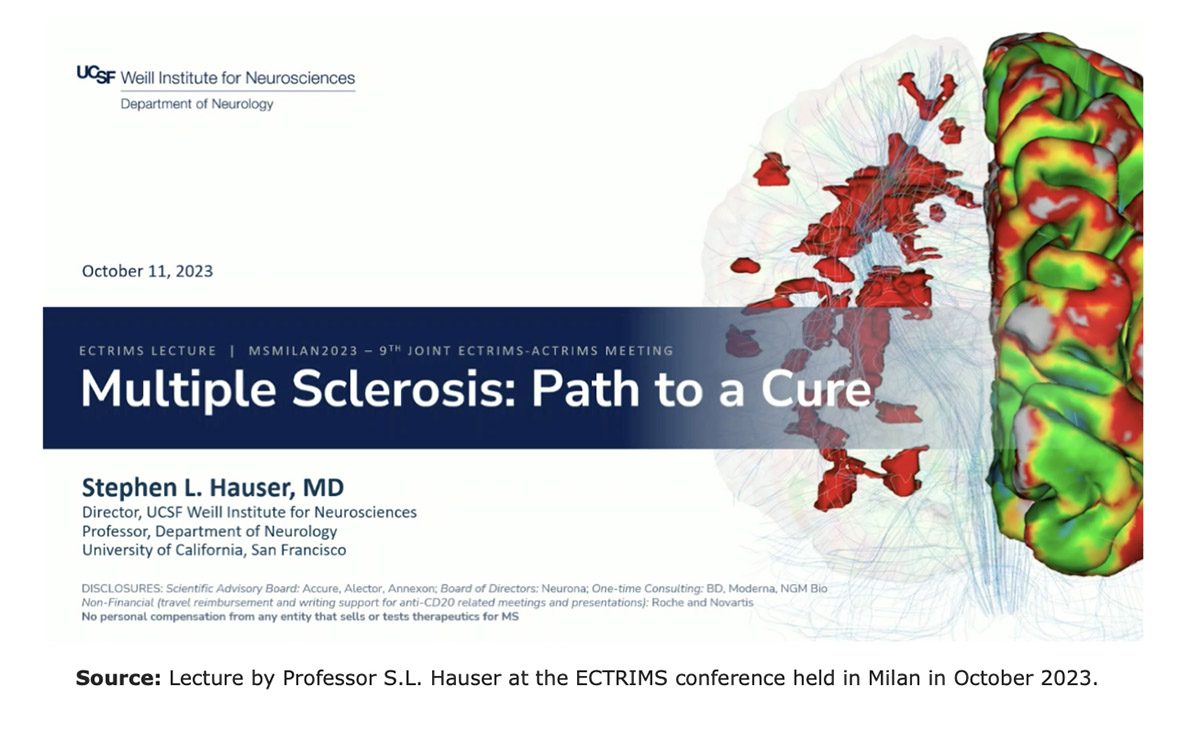
Lecture by Professor S.L. Hauser at the ECTRIMS conference held in Milan in October 2023.
The topic is also addressed in Everyday Miracles (Forefront Books, 2023) by Richard K. Burt — Professor of Medicine at Scripps Health Care and former tenured Professor at Northwestern University — a leading authority on AHSCT in autoimmune diseases. Drawing on 35 years of experience, Burt documents patients living symptom-free for over 20 years following AHSCT.
The purpose of this website is to promote, with pragmatism and scientific rigor, therapeutic strategies that may lead to a “cure” for MS.
- The personal anecdote refers to the MS Conference held in Cuneo in February 2023, where I had the honor of giving a lecture titled “Slowing, freezing, curing Multiple Sclerosis”. It was the first time I used the word “Curing” in a presentation, and I recall the benevolent curiosity of some colleagues while reading the program.
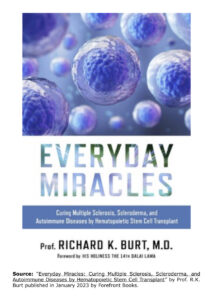
“Everyday Miracles: Curing Multiple Sclerosis, Scleroderma, and Autoimmune Diseases by Hematopoietic Stem Cell Transplant” by Prof. R.K. Burt published in January 2023 by Forefront Books.
 “
“
Working Definition of Cure
If curing MS is a realistic goal, what clinical, radiological, and biological criteria must a patient meet — and for how long — to be defined as “cured”?
The question was first formally addressed in a 2013 editorial by Banwell, Giovannoni, Hawkes, and Lublin in Multiple Sclerosis and Related Disorders (Banwell B. et al., 2013).
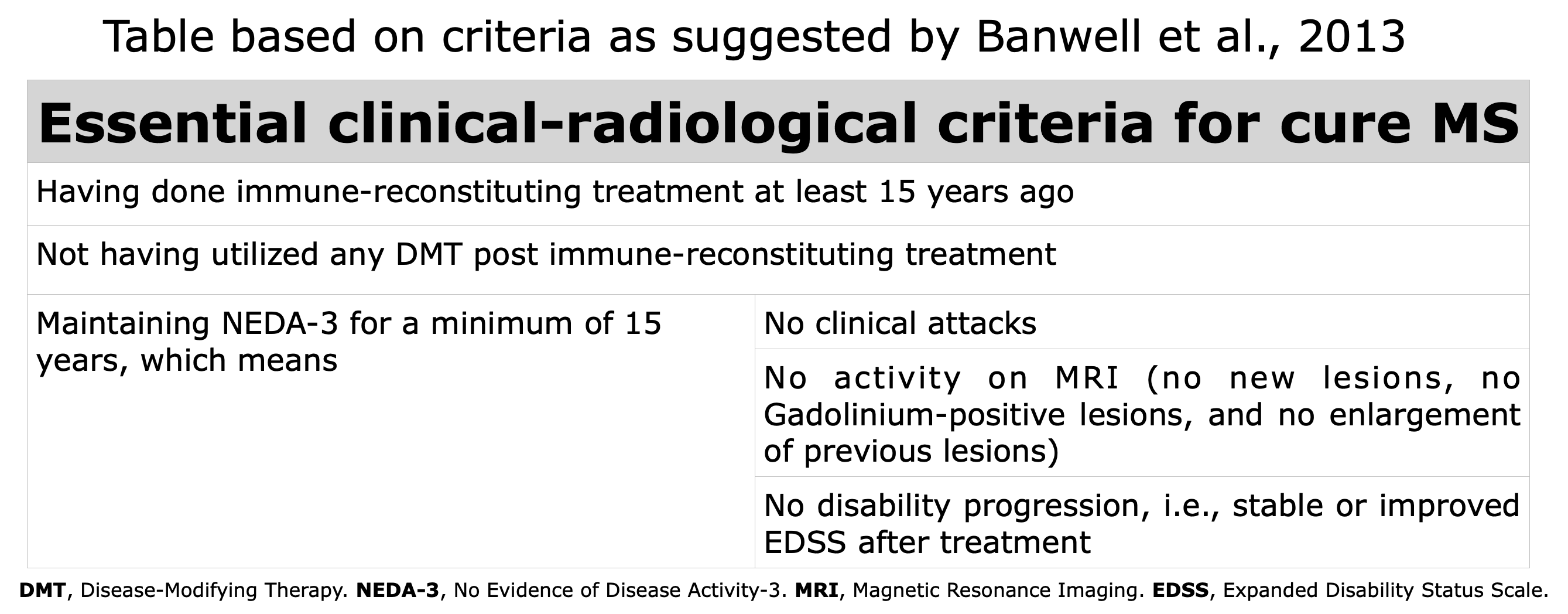
Table based on Banwell et al., 2013.
Reflecting on whether alemtuzumab — an immune reconstitution therapy — could sustain long-term NEDA-3, the authors proposed a working definition: 15 consecutive years of NEDA-3 following treatment completion, without disease-modifying therapy. The 15-year threshold is grounded in natural history data: after this period, the probability of disability progression is substantially reduced, and the median time to onset of secondary progressive MS is 10.4 years (Kremenchutzky et al., 2006).
This definition may be expanded as evidence evolves. Additional criteria under consideration include:
Established extensions:
- Brain atrophy rate comparable to healthy individuals (NEDA-4)
- Serum neurofilament light chain (sNfL) and/or GFAP within normal ranges (NEDA-5)
- Immunological reactivity against the CNS normalized to healthy controls
Under investigation:
- Reduction or disappearance of oligoclonal bands and normalization of the CSF kappa free light chain index
- Absence of slowly expanding lesions (SELs) and paramagnetic ring-enhancing lesions on MRI
- Resolution of fatigue
It is important to emphasize that even patients meeting all criteria retain a residual risk of MS recurrence. Like all working definitions, this framework is provisional — subject to revision as new clinical and biological insights emerge.
NEDA & Sustained Remission
NEDA &
Sustained Remission
NEDA-3, NEDA-4, and NEDA-5 define composite clinical, radiological, and biological endpoints but do not account for the mechanism of action of the therapy used to achieve them. NEDA can be maintained on continuous non-immune-reconstituting DMTs — however, in these patients the immune system has been modulated, not reset, and retains its pathological potential against the CNS. Discontinuation typically leads to relapse and, with certain agents, to disease rebound.
The term sustained disease remission has been applied to patients remaining NEDA-3 for multiple years following AHSCT (Boffa, Massacesi et al., 2021) or other immune reconstitution therapies (Lünemann et al., 2020). No international consensus currently defines the minimum duration of NEDA-3 required to qualify as sustained disease remission, nor whether the term should be restricted to immune reconstitution therapies or extended to all DMTs.
As Giovannoni et al. (2020) noted, defining a cure raises a fundamental question: how long must remission be sustained — 15, 20, 25 years or more — before the term can be applied? The 15-year threshold, proposed by Banwell et al. (2013), aligns with the accepted timepoint for defining benign MS.
In the AHSCT literature, only a small number of patients have reached or exceeded 15 years of NEDA-3 — the threshold at which a working definition of “cure” may be applied. Notably, the Swedish national cohort (Silfverberg et al., 2023) reported 13 patients exceeding 10 years of sustained disease remission following AHSCT performed since 2004. For most patients in published studies, follow-up ranges from a few months to just over 10 years.
On this website, sustained remission and long-term remission refer to patients who have maintained NEDA-3 for several years, regardless of whether this was achieved through continuous DMT treatment or immune reconstitution therapy.
Etiopathogenesis of MS
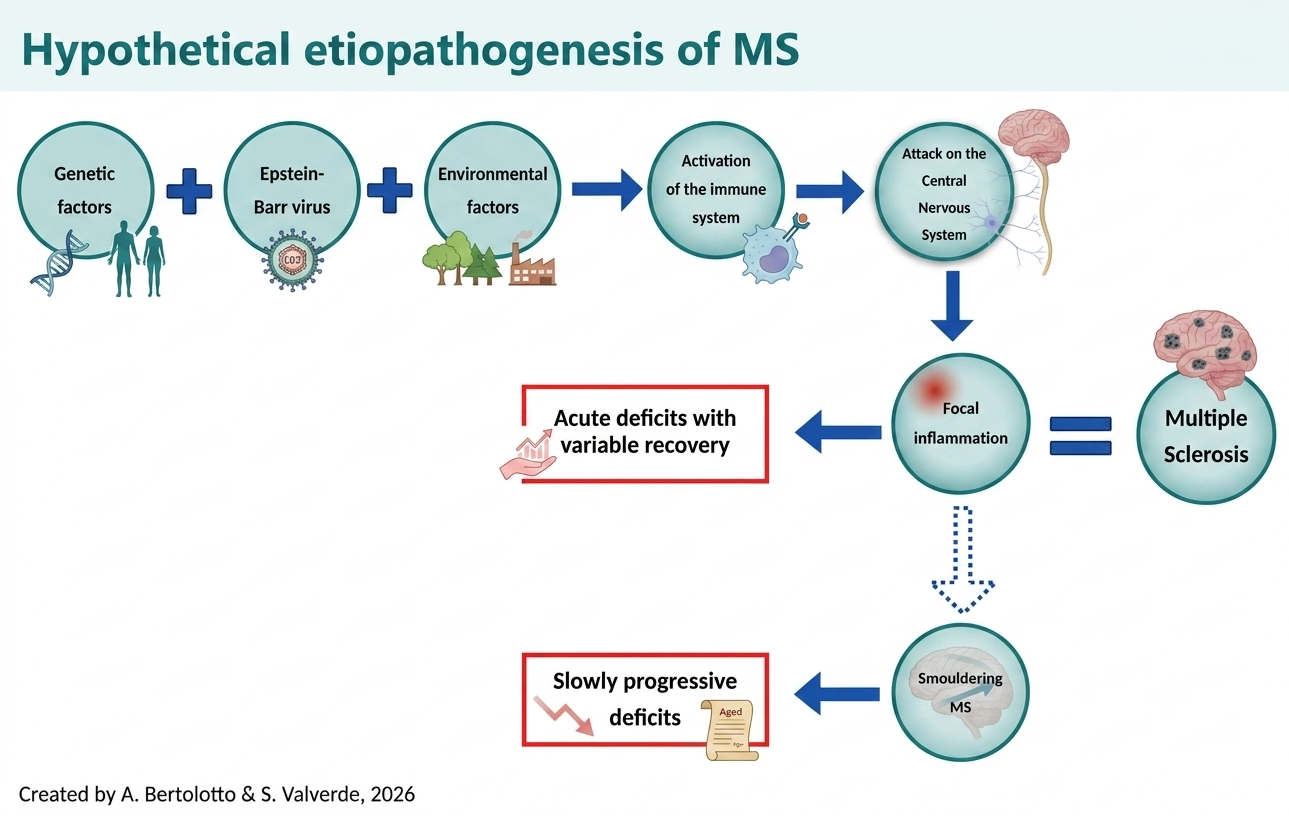
MS is a chronic inflammatory and degenerative disease arising from the interaction of genetic, viral, and environmental factors. Its development is multistep and multifactorial.
Current evidence strongly supports EBV infection as necessary, but not sufficient, for MS to develop (Bjornevik et al., 2022; Mechelli et al., 2025). Genetic predisposition is equally required (Cree et al., 2014). To these two conditions, environmental co-factors must be added — including childhood obesity, vitamin D deficiency, smoking, environmental pollution, and gut microbiome alterations — though their individual roles remain incompletely defined (Zamecnik et al., 2024).
The convergence of these factors leads to immune dysregulation. In people who develop MS, the immune system — beyond its normal defensive role — acquires pathological reactivity against the CNS. This process unfolds in stages: initial production of autoantibodies against nervous system components (detectable in a minority of patients), followed by the emergence of auto-aggressive lymphocytes capable of attacking myelin. These cells clonally expand, penetrate the CNS, and trigger inflammation, manifesting as new MRI lesions and, in some cases, clinical relapses. For a detailed account of MS neuropathology, see Lassmann, 2018.
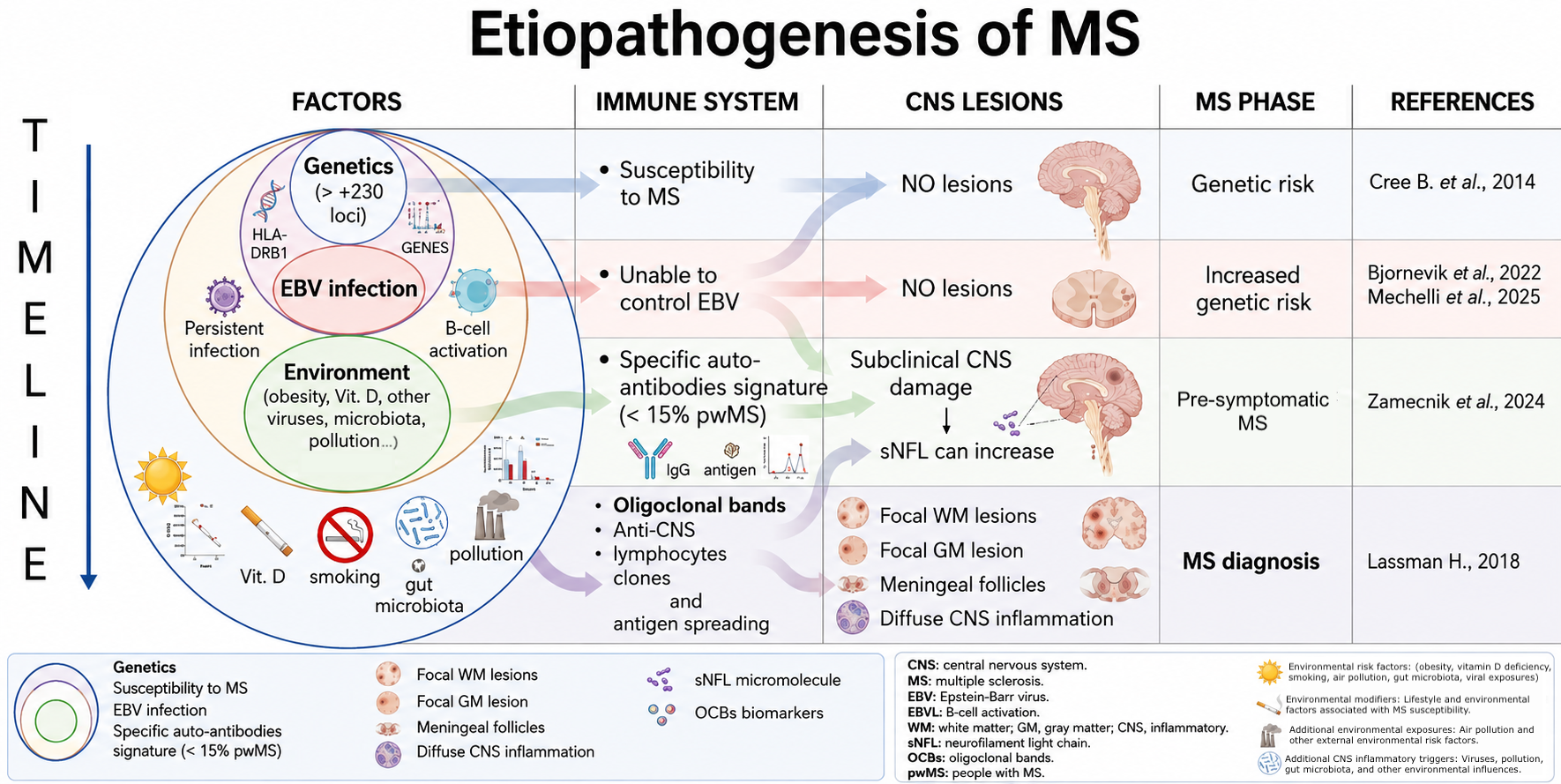
The table below illustrates the factors that are important in the etiopathogenesis of MS, the modification of the immune system, the lesions in the CNS and the various stages of MS. Table by curems.net modified with Gemini
DMTs for MS
Over the past 30 years, the therapeutic goal in MS has shifted fundamentally — from simply reducing relapse frequency to achieving complete, durable disease control (Lünemann et al., 2020).
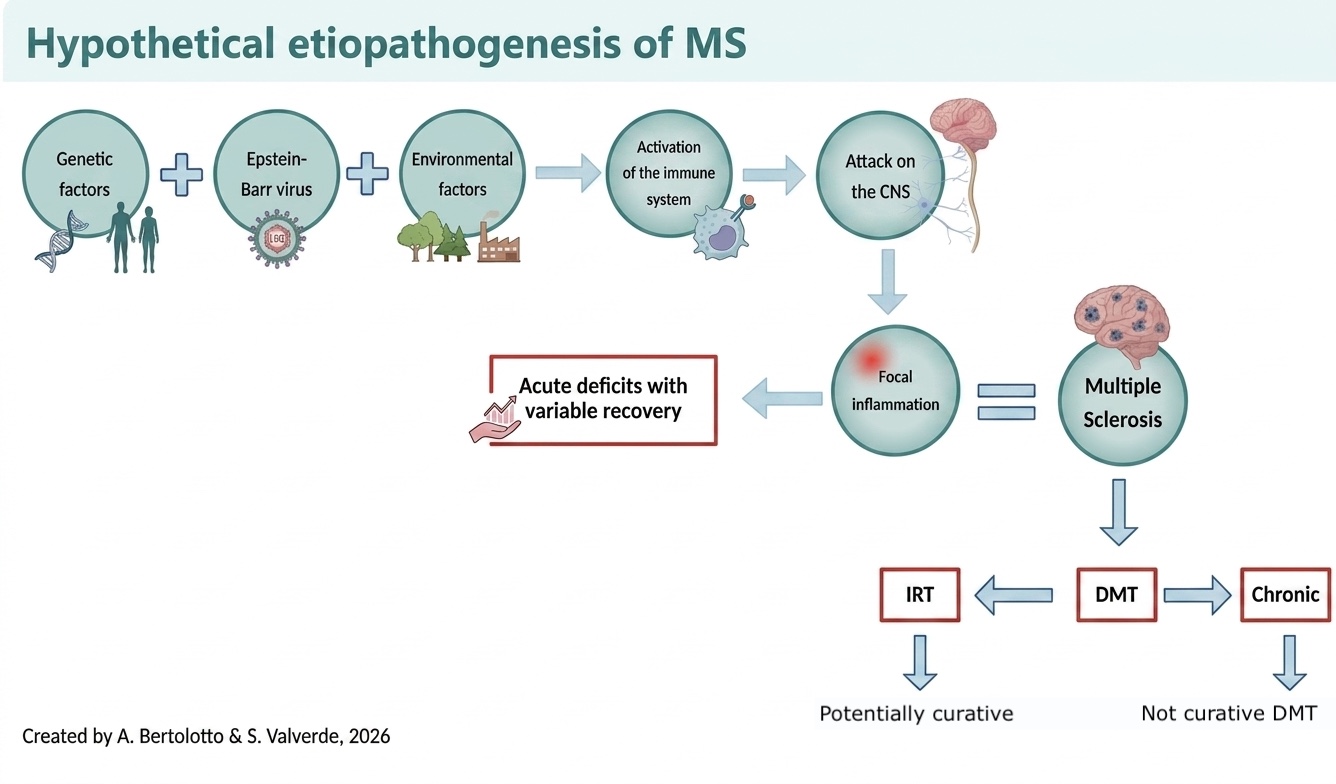
Approximately 20 DMTs are currently available, differing in mechanism of action, efficacy, safety profile, and route of administration. By efficacy, they are classified as low-efficacy (LE-DMTs) or high-efficacy (HE-DMTs). A further distinction concerns the treatment schedule: most DMTs require continuous administration, whereas a subset — immune reconstitution therapies (IRTs) — are administered in short, intermittent courses. IRTs include cladribine, alemtuzumab, and AHSCT.
IRTs act by transiently depleting the immune system, enabling it to regenerate and reconstitute itself. The rebuilt immune system appears substantially less aggressive toward the CNS — an effect that can persist for years, which is why IRTs are used in limited courses (cladribine, alemtuzumab) or as a single procedure (AHSCT).
AHSCT is not a DMT but a multistep procedure. When comparing efficacy among IRTs, AHSCT demonstrates greater potency than alemtuzumab (Häußler et al., 2021; Braun et al., 2024), while alemtuzumab is considered more efficacious than cladribine. Efficacy and risk profile vary depending on the conditioning protocol used.
✅ See the comparative table for a direct comparison of AHSCT with other DMTs.
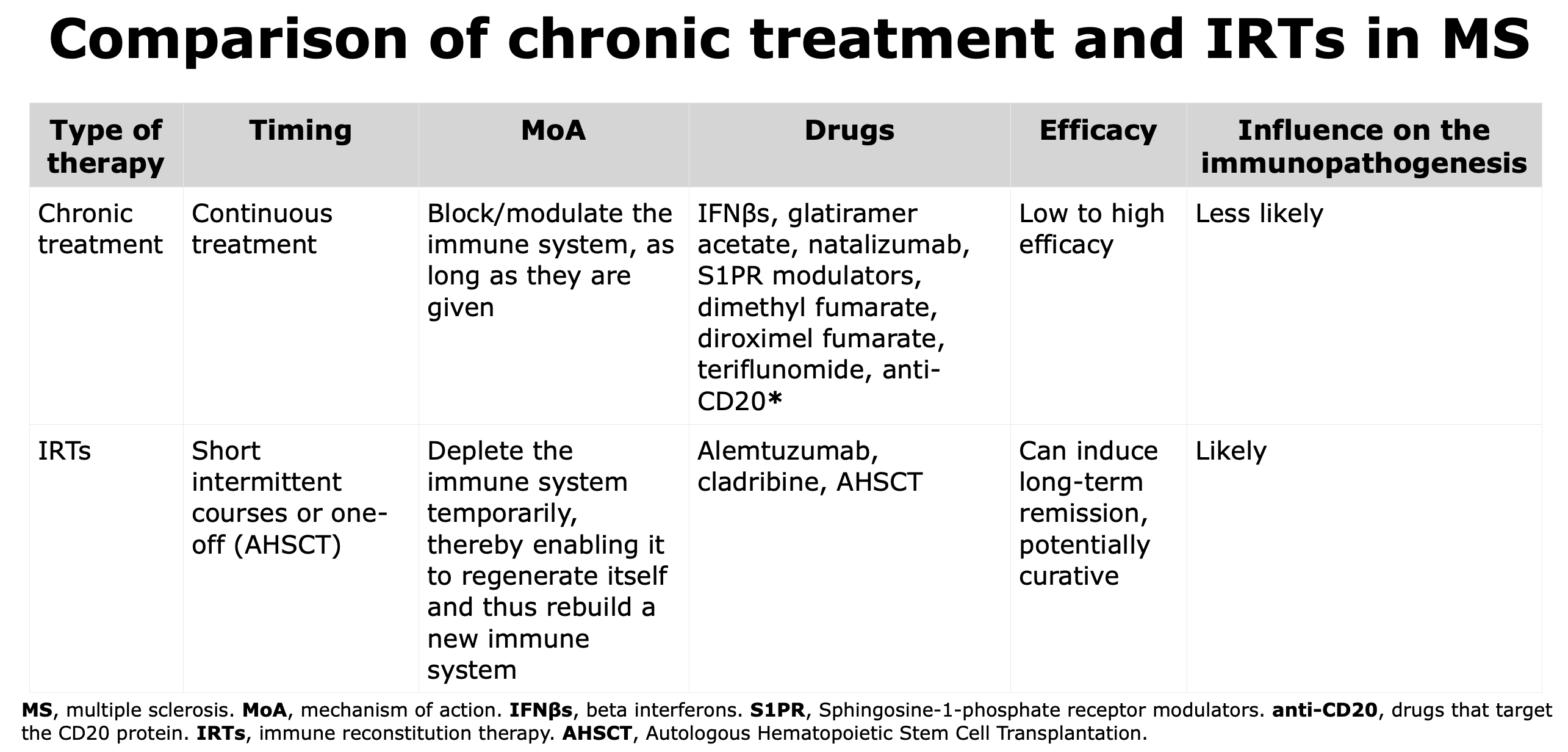
*Some authors consider anti-CD20 therapies as IRTs, such as Lünemann et al., 2020