A GUIDE ON AHSCT

FOR MS

No miracle claims, just scientific facts.

A light at the end of the tunnel.

Is it possible to cure MS?

No miracle claims, just scientific facts.

A light at the end of the tunnel.

Is it possible to cure MS?

Last Updated 24 July 2026

Do you have questions on AHSCT?

Welcome to CureMS,

CureMS is a non-profit website created to provide reliable information on therapies and procedures that may contribute to curing multiple sclerosis (MS), with a specific focus on autologous hematopoietic stem cell transplantation (AHSCT), which in selected patients may currently come closest to a cure.

Although MS is generally considered incurable, clinical data show that some patients achieve long-term remission without ongoing medication after AHSCT.

CureMS does not promote miraculous solutions or unfounded hopes. All information published on this site comes from peer-reviewed scientific research and is based on evidence.

The CureMS website is supported by individual donations to the non-profit organization Fondazione per la Ricerca Biomedica (FORB) ONLUS, helping to keep the platform active and updated. It operates independently from pharmaceutical companies, and I have no financial or professional interest in AHSCT procedures.”.

Antonio Bertolotto, Neurologist

Our long-term goal…is to devise a therapy that induces a long-lasting eradication of the multiple sclerosis central nervous system immune reaction without inducing intolerable adverse side effects.

– Tourtellotte et al., 1976

News on Curems.net

Is AHSCT a “cure” for MS? A Patient’s Testimony 25 Years Later AHSCT.

Read more about Luca’s story here.

Credits: TgR Piemonte (Italy)

CureMS.net has introduced a new section dedicated to EBV vaccine. To ensure clarity for all users, we have provided specialized content for both patients (link) and healthcare professionals (link).

A consensus statement in Nature Reviews Neurology by ECTRIMS,EBMT, and lead representatives of ACTRIMS supports AHSCTfor RRMS after high-efficacy DMT failure and before irreversible disability.

The CureMS.net newsletter is now available in both English and Italian. Subscribe for free to receive concise scientific insights and the latest updates on MS research.

Your opinion is important to us. All feedback, whether positive or negative, helps us improve this website.

This field is for validation purposes and should be left unchanged.
How would you rate CureMS.net?(Required)
1 = very poor, 5 = excellent
Who are you?(Required)
Was the information on CureMS.net clear and easy to understand?(Required)
Please share your testimonial below...

What is AHSCT?

AHSCT is a one-off treatment that involves a complex, multistep procedure aimed at resetting the immune system, which mistakenly attacks the Central Nervous System in pwMS (person with Multiple Sclerosis). First, your own hematopoietic stem cells are collected from your blood. Then, chemotherapy is used to wipe out the malfunctioning immune system by destroying certain types of cells. Finally, your stem cells are reinfused to help regenerate a healthier immune system.

Like any procedures, drugs, or therapies, AHSCT offers both benefits and associated side effects and risks.

Analysis of the results shows that no treatment, in any study, has been proven to be more effective—radiologically, clinically, immunologically and pharmaco-economically—than AHSCT (i.e., transplant).

For clarity, all references to AHSCT (i.e., transplant) on curems.net refer specifically to procedures performed using an intermediate-intensity conditioning regimen. Unless otherwise specified, these references should not be interpreted as encompassing other intensity conditioning protocols. For more information on conditioning protocols click here.

AHSCT:

Who and Where

For selected patients, AHSCT is now considered a standard of care (i.e., a treatment supported by clinical evidence and incorporated into clinical practice in specialized centers).

Ongoing AHSCT Trials Worldwide

International RCT trials are currently comparing AHSCT against high-efficacy therapies. These studies aim to define the “ideal candidate” and optimal timing for AHSCT to maximize safety and long-term remission.

Ongoing AHSCT Trials Worldwide

International RCT trials are currently comparing AHSCT against high-efficacy therapies. These studies aim to define the “ideal candidate” and optimal timing for AHSCT to maximize safety and long-term remission.

Discover AHSCT

Discover AHSCT

Explore AHSCT in this brief video: learn how the procedure works and how it resets the immune system.

A Quick Summary of This Website

“CUREMS.NET is an independent, non-commercial website that I run without any personal compensation. The project is funded entirely by private donations, which are managed by FORB Onlus, a non-profit organization. These donations cover the site’s operating costs and provide financial support for one collaborator who helps with the project’s scientific work.”

— Dr. Bertolotto
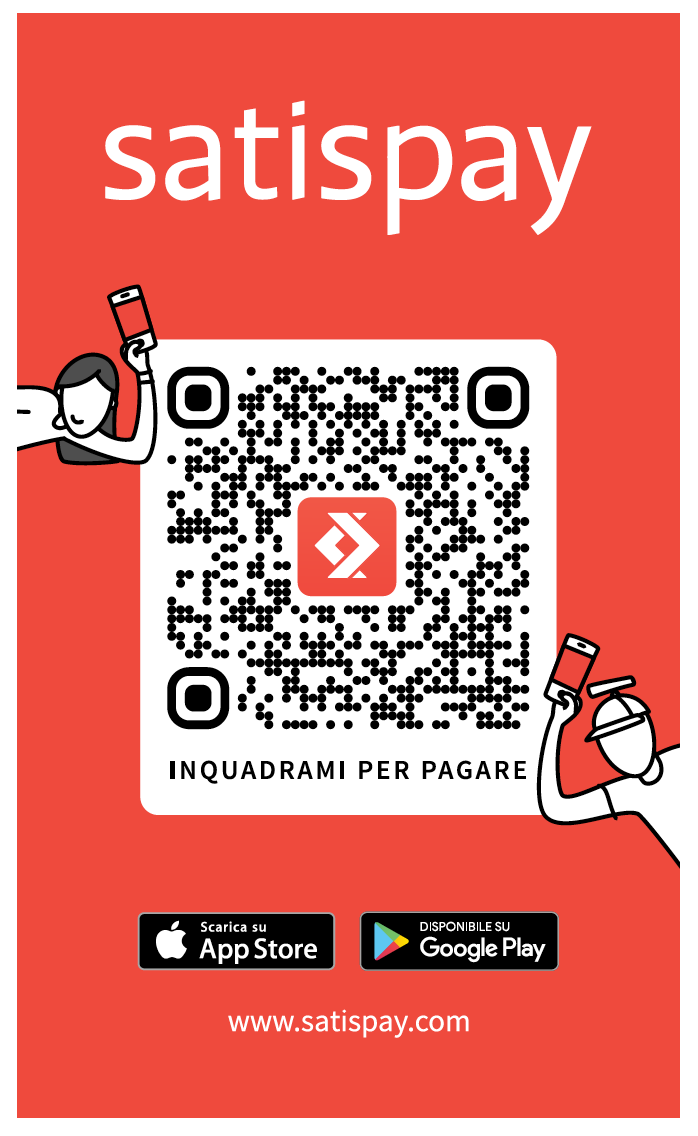
How to Make a Donation

– Scan the QR code with your Satispay App.

– Enter the amount you would like to donate. There is no minimum amount required.

– Once the donation is completed, download the donation receipt.

– Write an email to forb@unito.it with the subject “Donation for CureMS.net”, attaching the donation receipt.

– Send the email.

FORB (link) is a non-profit organization affiliated with the University of Turin.

You can also support our work by making a donation via bank transfer:

Learn More About Us

Read more about the mission, purpose, and the importance of a dedicated AHSCT resource. Meet the team, or read about conflict of interest policies and funding transparency.

Frequently Asked Questions About Transplant

Discover detailed answers to frequently asked questions about transplant, including key information on procedures, risks, and benefits, in our FAQs section.

For additional FAQs, please refer to this website: MS Australia

In April 1995, Fassas et al. in Greece performed the first AHSCT in patients with progressive MS.

To date, several studies estimate that over 4,000 patients worldwide have undergone AHSCT. However, according to the latest EBMT report (Alexander et al., 2024), only 2,132 of these cases are documented in the European Registry. While American patients are registered in the CIBMTR (Center for International Blood and Marrow Transplant Research), the European Registry does not include patients who have undergone the transplant in other Countries. 

Each AHSCT unit (neurological and haematological departments) has its own inclusion criteria. In general, AHSCT is performed for aggressive relapsing forms of MS. Several studies have identified that the patient who can benefit more of AHSCT are: aged 18-50, with a low EDSS score and a short duration of MS.

Further reading: eligibility criteria for AHSCT.

No, it isn’t. Updated Consensus Statement by ECTRIMS and the EBMT, as well as lead representatives of ACTRIMS, “endorse AHSCT for selected indications. In relapsing–remitting MS, AHSCT should be offered to appropriate candidates, normally after failure of high-efficacy DMT but within the window of opportunity before the development of irreversible disability“. (Muraro et al., 2025)

No, each AHSCT Center has gained experience and may be more familiar with certain conditioning protocols. Besides this, conditioning regimens are classified according to the intensity of immunoablation induced (high-, intermediate- or low- intensity). In short, the difference between these regimens lies in the intensity of the chemotherapy used before the stem cell transplant.

Read more here about conditioning regimens.

AHSCT has shown promising results, but like all therapies, drugs, or procedures, it may also present risks.

Early complications, such as temporary alopecia, infections, and gastrointestinal issues, are common within the first 100 days. While the risk of transplant-related mortality (TRM) has decreased due to improved expertise and care, long-term effects may include thyroid or autoimmune issues, as well as temporary or permanent infertility caused by the conditioning regimen.

Late effects may result from the transplant regimen or prior use of DMTs. (Muraro et al., 2017) (Sharrack et al., 2020). 

Learn more here about the risks.

To date, no DMT (i.e., traditional MS pharmacological therapies) in any study has proven to be more effective than AHSCT. Clinical data show that with myeloablative or lympho-ablative regimens, at least for 10 years post-AHSCT, more than 60% of RRMS patients do not experience relapses, no new MRI-lesions, disability progression
Click here for other studies comparing AHSCT vs. DMTs, or here to view a summary table. 

 Transplant with a conditioning intermediate regimen requires an inpatient hospital stay.

📌 Further reading: conditioning protocols here.

Yes, AHSCT (i.e., transplant) is being explored and performed for several other autoimmune diseases beyond MS, such as:

  • Systemic sclerosis
  • Neuromyelitis optica spectrum disorder
  • Systemic lupus erythematosus
  • Myasthenia gravis
  • Rheumatoid arthritis
  • Sjögren’s syndrome
  • Autoimmune encephalitis

Follow CureMS on Social Media

Tips for Navigating In This Website

Need help navigating our website?

Click “Navigation Tips” for quick guidance or “Write Us” if you have any suggestions to improve this website.

How To Translate This Website Into Your Language

⚠️ Important Note

While translation tools available today provide reliable translations, this website contains specialized scientific content and terminology that may not be accurately translated into your language. Please refer to the original English version for the most precise information.

  • Open curems.net
  • Click the “Translate” prompt that appears 
  • If no prompt, right-click and select “Translate to [your language]”.

🔍 Click here for an easy tutorial on Google Chrome. 

  • Open curems.net
  • Click the Translate icon (two speech bubbles) in the address bar.
  • Select your preferred language.

🔍 Click here for an easy tutorial on Safari.

  • Open curems.net
  • Click the “Translate” in the prompt
  • If no prompt, click the Translate icon in the address bar.